
Many believe seasonal dressing confines your luxury wardrobe choices, but it actually unlocks more styling versatility and investment potential. The right seasonal approach balances climate needs with designer trends while maintaining your pieces’ resale value. This guide clarifies seasonal dressing history, impact, and practical strategies. You will learn how to align your wardrobe with climate, designer trends, and fabrics to maximize both style and investment returns.
Table of Contents
- Understanding Seasonal Dressing: Definition And Origins
- How Climate And Geography Influence Seasonal Wardrobe Choices
- The Impact Of Luxury Designer Trends On Seasonal Dressing
- Common Misconceptions About Seasonal Dressing
- Material And Fabric Considerations For Each Season
- Strategies For Building And Transitioning A Seasonal Luxury Wardrobe
- Explore MaraFormigone’s Luxury Fashion Guides And Collections
Key takeaways
| Point | Details |
|---|---|
| Climate optimization | Seasonal dressing adapts luxury wardrobes to weather through strategic fabric choices and layering techniques. |
| Designer influence | Luxury brands drive seasonal trends through collections that dictate colors, materials, and styling directions. |
| Fabric innovation | Modern temperature-regulating textiles enable greater flexibility across seasonal transitions. |
| Investment value | Strategic seasonal planning and timing purchases with designer releases enhance resale potential. |
| Versatility myth | Seasonal dressing expands rather than limits outfit possibilities through smart layering and dual-purpose pieces. |
Understanding seasonal dressing: definition and origins
Seasonal dressing means aligning your clothing choices with climate conditions, fashion cycles, and designer collections. Seasonal dressing originated from climate-driven wardrobe changes and evolved with luxury designers’ seasonal collections. What began as practical necessity transformed into a sophisticated approach to wardrobe investment and style expression.
The luxury fashion industry formalized this concept through biannual runway shows. These presentations established spring/summer and fall/winter collections as the foundation for consumer purchasing patterns. Contemporary luxury fashion trends continue to reinforce these cycles, creating predictable opportunities for strategic wardrobe building.
Key elements include:
- Climate-appropriate fabric selection for comfort and functionality
- Alignment with designer collection releases for maximum style relevance
- Investment timing to capture peak resale value opportunities
- Layering strategies that extend piece usability across multiple seasons
- Understanding how luxury industry evolution shapes consumer behavior
This foundation helps you understand why seasonal dressing matters beyond simple weather adaptation. It creates a framework for building a wardrobe that serves both immediate style needs and long-term investment goals.
How climate and geography influence seasonal wardrobe choices
Your location determines which fabrics and styles will serve you best. Different fabrics dominate different climates and seasons; tropical vs temperate region strategies differ for luxury consumers. Wool and cashmere provide warmth and luxury in cold climates, while linen and silk offer breathability in heat.
Geography shapes every aspect of seasonal dressing strategy. Someone in Miami needs entirely different pieces than someone in Montreal. The investment priorities shift accordingly, with tropical consumers focusing on lightweight luxury pieces and temperate climate shoppers requiring robust layering options.
| Climate Type | Spring/Summer Fabrics | Fall/Winter Fabrics | Layering Approach |
|---|---|---|---|
| Tropical | Linen, silk, cotton lawn | Light wool, silk blends | Minimal, focus on single statement pieces |
| Temperate | Cotton, lightweight wool | Cashmere, heavy wool, velvet | Moderate, 2-3 layers typical |
| Cold | Merino wool, breathable synthetics | Thick cashmere, fur, insulated textiles | Extensive, 3-4+ layers required |
Consider these practical factors:
- Humidity levels affect fabric performance and comfort dramatically
- Temperature swings within a single day require versatile layering pieces
- Seasonal rainfall patterns influence material choices for durability
- Indoor climate control creates micro-season needs within your wardrobe
Planning luxury seasonal wardrobes requires understanding your specific geographic context. This knowledge prevents expensive mistakes and ensures every piece earns its place in your closet.
The impact of luxury designer trends on seasonal dressing
Designers control the seasonal fashion narrative through carefully curated collections. High percentage of consumers follow designer seasonal collections; designer trends dictate colors, materials, and silhouettes. These presentations set the standard for what constitutes current style.
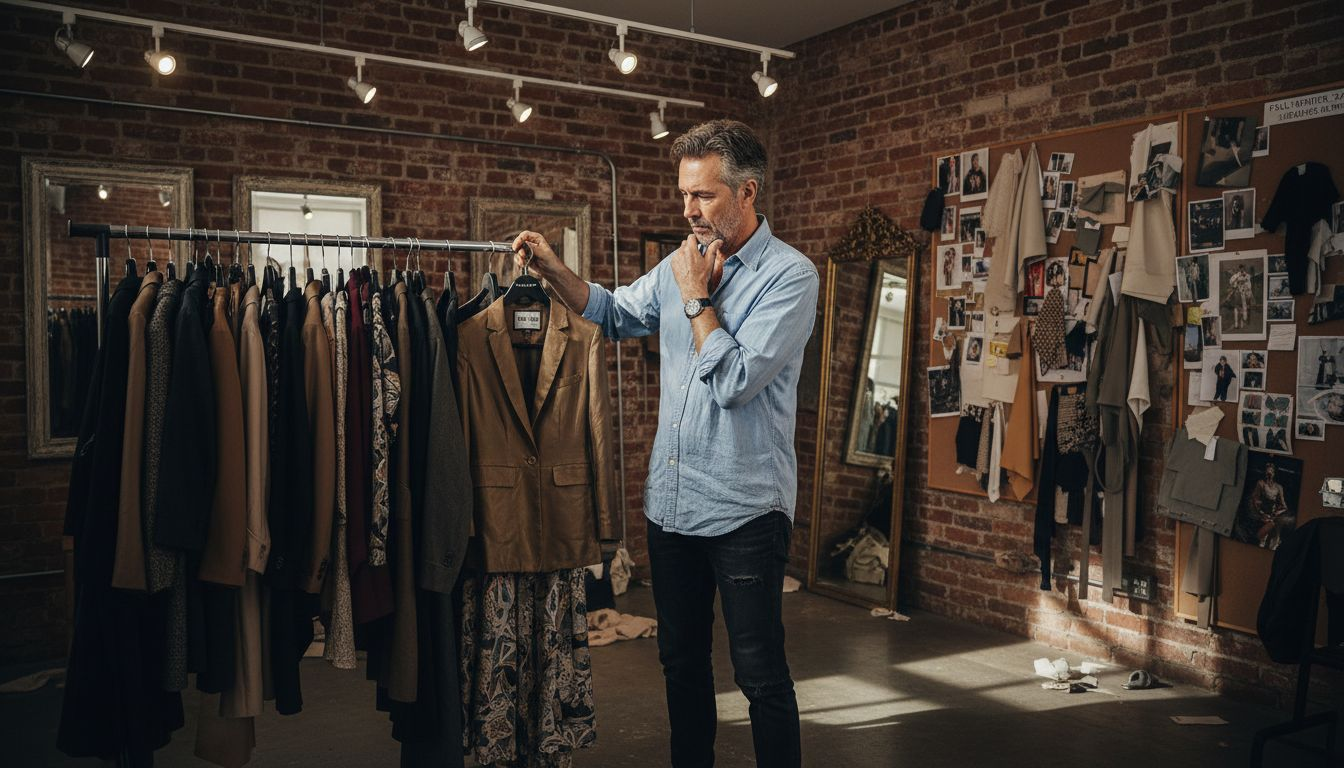
Fashion editors amplify designer messages through editorial coverage and styling examples. This creates a powerful feedback loop where runway trends quickly translate to consumer desire. Understanding this dynamic helps you make informed purchasing decisions rather than reactive ones.
Key influencing factors include:
- Seasonal color palettes announced months before collection availability
- Material innovations showcased on runways that trickle down to production
- Silhouette shifts that redefine seasonal proportions and styling approaches
- Collaboration pieces that merge high fashion with accessible price points
- The impact of fashion editors and designers on shaping consumer preferences
Timing your purchases with designer release cycles creates multiple advantages. You gain access to pieces at their peak relevance, which maximizes both immediate style impact and future resale potential. The secondary market values items from current seasons significantly higher than outdated collections.
This knowledge transforms you from a passive consumer into an informed participant in the luxury fashion ecosystem.
Common misconceptions about seasonal dressing
Many wrongly believe seasonal dressing restricts wardrobe options and represents an outdated approach. Fabric quality is often underestimated in seasonal decisions, yet it determines both comfort and longevity. These myths prevent fashion-conscious individuals from maximizing their wardrobe potential.
The creativity myth suggests seasonal guidelines limit personal expression. Reality proves the opposite. Seasonal frameworks provide structure that actually enhances versatility through strategic layering. You gain more outfit combinations, not fewer, when you understand how pieces work together across temperature changes.
Another common belief holds that seasonal dressing demands rigid adherence to fashion rules. Modern fabrics and styling techniques offer tremendous flexibility. Temperature-regulating textiles allow year-round wear of formerly season-specific pieces.
Key misconceptions debunked:
- Myth: Seasonal wardrobes require complete replacement twice yearly
- Reality: Strategic core pieces transition across seasons with smart layering
- Myth: Quality fabrics matter less for seasonal pieces
- Reality: Superior materials provide better temperature regulation and durability
- Myth: Following seasonal trends means sacrificing personal style
- Reality: Seasonal frameworks enhance individual expression through informed choices
Pro Tip: Mix textures and weights within a single outfit to expand your combinations exponentially. A lightweight silk blouse layers beautifully under a structured wool blazer, creating a transitional look that works across multiple temperature ranges.
View seasonal dressing as a dynamic tool rather than a restrictive rulebook. This mindset shift opens possibilities instead of closing them.
Material and fabric considerations for each season
Fabric choice determines comfort, style, and investment value across seasons. Wool, linen, cotton vary by season; new temperature-regulating fabrics enable more flexible styling. Understanding material properties helps you build a wardrobe that performs beautifully year-round.
Traditional seasonal fabrics still dominate luxury wardrobes for good reason. Wool and cashmere provide unmatched warmth without bulk in winter. Linen and cotton offer breathability and elegance for summer heat. These classics maintain resale value because they represent proven quality.
| Fabric Type | Season | Key Features | Investment Value |
|---|---|---|---|
| Cashmere | Fall/Winter | Superior warmth-to-weight ratio, luxurious feel | High, maintains 60-70% resale |
| Linen | Spring/Summer | Breathable, natural texture, improves with age | Moderate, 40-50% resale |
| Merino Wool | Year-round | Temperature regulation, moisture wicking | High, 55-65% resale |
| Smart Fabrics | All seasons | Active temperature control, performance features | Growing, 45-55% resale |
Innovative textiles now bridge seasonal gaps effectively. Temperature-regulating materials adapt to body heat and environmental conditions. These fabrics allow formerly winter-only pieces to work in transitional seasons, extending usability and justifying higher initial investment.
Consider these material strategies:
- Weight variations within fabric types create micro-seasonal options
- Blended textiles combine traditional luxury with modern performance
- Natural fibers generally offer better resale value than synthetics
- Seasonal fabric choices impact both immediate comfort and long-term value
Pro Tip: Invest in heavyweight versions of staple fabrics for core pieces. A substantial cashmere sweater or quality wool coat maintains value for decades while lighter alternatives show wear faster. The investment in quality materials pays dividends through extended usability.
Balance aesthetics with functionality when selecting fabrics. Beautiful materials that perform poorly in your climate become closet orphans rather than wardrobe workhorses.
Strategies for building and transitioning a seasonal luxury wardrobe
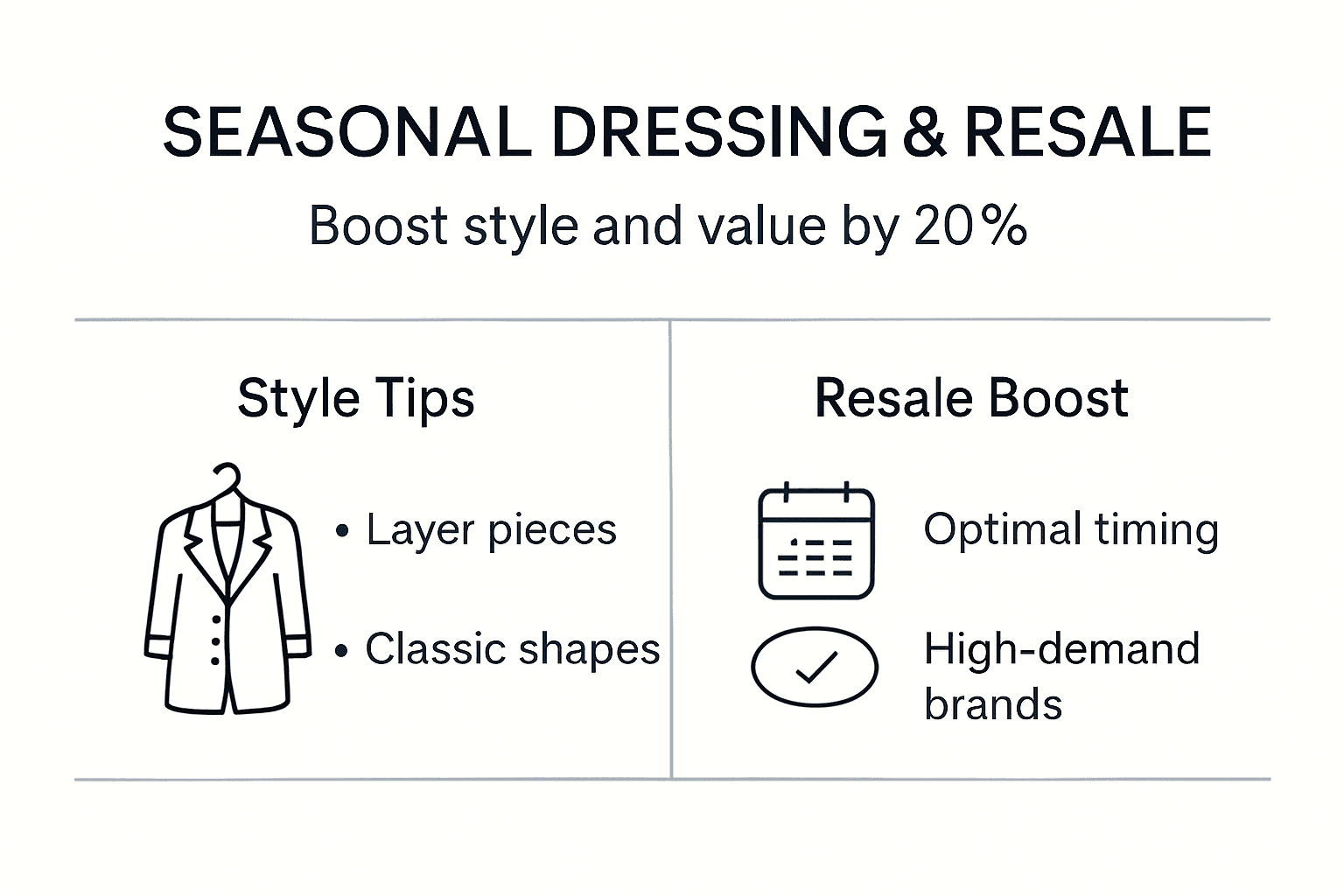
Strategic planning maximizes both style impact and investment returns from your luxury wardrobe. 80% of luxury shoppers use layering and dual-purpose pieces to extend seasonal wardrobes; aligning purchases with designer cycles enhances resale value. These approaches transform seasonal dressing from expensive obligation into smart investment strategy.
Layering provides the foundation for seasonal versatility. A well-chosen base layer, mid-layer, and outer piece create multiple outfit combinations from fewer total items. This approach reduces overall spending while increasing styling options exponentially.
Follow these steps to transition your wardrobe effectively:
- Audit current pieces to identify gaps in seasonal coverage and versatility
- Prioritize dual-purpose statement items that work across two adjacent seasons
- Time major purchases to coincide with designer collection releases for maximum relevance
- Invest in transitional pieces during end-of-season sales for next year’s wardrobe
- Coordinate resale of outgoing pieces with peak demand periods to maximize returns
- Build a core of year-round basics in neutral colors and quality fabrics
Essential layering pieces include:
- Lightweight cashmere or merino sweaters that work under blazers or alone
- Structured blazers in seasonless fabrics for professional and casual styling
- Quality silk or cotton shirts that transition from base layer to standalone piece
- Versatile outerwear in neutral colors that complement multiple outfit combinations
- Seasonal layering and styling ideas for specific occasions
Pro Tip: Purchase major investment pieces like coats and suits at the beginning of their season for maximum wear time, then list them for resale just before the next season starts. This timing captures peak buyer interest and maximizes your return. Build and transition luxury wardrobe strategies help you implement this approach effectively.
Choosing luxury pieces with strong resale potential creates a self-funding wardrobe over time. Focus on classic silhouettes from established designers in neutral colorways. These items maintain value while providing styling flexibility.
Explore MaraFormigone’s luxury fashion guides and collections
Ready to elevate your seasonal dressing strategy? MaraFormigone offers comprehensive fashion guides tailored specifically for luxury shoppers like you. Our expert planning advice helps boost your wardrobe confidence while maximizing investment value.

Discover contemporary fashion trends guide that keep you ahead of seasonal shifts. Access our luxury outfit planning guide for strategic wardrobe building. Browse curated collections featuring exclusive designer pieces aligned with current seasonal trends.
Our platform combines trusted fashion insights with carefully selected pieces from Gucci, Prada, Balenciaga, and Alexander McQueen. Whether you need affordable designer clothes or investment-grade statement pieces, MaraFormigone delivers both style authority and shopping convenience. Start your journey to smart, stylish seasonal dressing today.
Frequently asked questions
What does seasonal dressing mean for luxury wardrobes?
Seasonal dressing aligns your luxury pieces with climate conditions, designer collection cycles, and fashion trends. It optimizes comfort, style relevance, and resale value through strategic fabric choices and timing. This approach transforms your wardrobe into a dynamic asset rather than static collection.
How does one adapt luxury pieces for different seasons?
Layering provides the primary adaptation method for luxury pieces across seasons. Combine lightweight base layers with heavier outer pieces in cold weather, then wear the base layers alone when temperatures rise. Choose transitional fabrics like merino wool that regulate temperature naturally across multiple seasons.
Can seasonal dressing improve resale value of luxury items?
Yes, strategic seasonal timing significantly impacts resale value. Listing pieces at the beginning of their relevant season captures peak buyer interest and demand. Current-season items from recent designer collections command premium resale prices compared to outdated styles.
What are essential fabrics for each season?
Spring and summer favor breathable materials like linen, cotton, and lightweight silk. Fall and winter require insulating fabrics such as cashmere, wool, and velvet. Year-round staples include merino wool and quality cotton blends that transition effectively between seasons.
How flexible is seasonal dressing with modern fabrics?
Modern temperature-regulating textiles offer tremendous flexibility beyond traditional seasonal limitations. Smart fabrics adapt to body heat and environmental conditions, allowing formerly season-specific pieces to work year-round. This innovation reduces the need for complete seasonal wardrobe changes while maintaining comfort and style.