
Many believe luxury fashion revolves solely around heritage brands and timeless pieces. Yet the luxury consumer base has shrunk by 50 million recently, polarizing spending towards exclusive, contemporary experiences. Contemporary fashion blends innovation with craftsmanship to meet today’s discerning buyer. This article clarifies what contemporary fashion means in luxury and equips you to identify trends for informed purchases.
Table of Contents
- Understanding Contemporary Fashion: Definition and Essential Traits
- Cultural and Technological Influences Shaping Contemporary Luxury Fashion
- Luxury Market Dynamics and Consumer Expectations
- Comparing Contemporary Fashion With Traditional Luxury Fashion
- Key Designers and Trends Defining Contemporary Luxury Fashion in 2024
- Sustainability and Ethical Practices in Contemporary Luxury Fashion
- How to Apply Contemporary Fashion Principles in Your Luxury Wardrobe
- Explore MaraFormigone’s Curated Luxury Fashion Guides
- Frequently Asked Questions About Contemporary Luxury Fashion
Key Takeaways
| Point | Details |
|---|---|
| Contemporary fashion integrates modern aesthetics, craftsmanship, and exclusivity | Targets affluent consumers seeking unique, culturally relevant pieces. |
| Digital innovation reshapes luxury shopping experiences | Virtual try-ons and AI tools create personalized, immersive encounters. |
| Contemporary differs from traditional heritage styles | Emphasizes innovation and responsiveness alongside timeless quality. |
| Leading designers embrace maximalism and individuality | Miu Miu, Loewe, Prada drive bold statement pieces in 2024. |
| Sustainability influences luxury fashion choices | Ethical practices enhance brand value and align with consumer values. |
Understanding Contemporary Fashion: Definition and Essential Traits
Contemporary luxury fashion represents a dynamic fusion of modern design, exclusivity, and cultural relevance. Unlike traditional luxury that primarily leans on heritage, contemporary fashion appeals to affluent, style-conscious consumers seeking pieces that reflect current aesthetics while maintaining exceptional craftsmanship. This distinction matters because the US luxury fashion market reached $65 billion in 2025 and projects a 3.74% compound annual growth rate through 2034.
The core characteristics defining contemporary luxury include:
- Modern aesthetics incorporating current design languages and silhouettes
- Artisanal craftsmanship ensuring quality and longevity
- Limited editions and personalization options for exclusivity
- Cultural resonance connecting to lifestyle and identity
- Innovation in materials, techniques, and retail experiences
A common misconception conflates contemporary luxury with fast fashion. Fast fashion prioritizes volume and disposability. Contemporary luxury emphasizes investment, exclusivity, and lasting value. When you purchase contemporary luxury, you acquire pieces that balance modern relevance with enduring quality.
The sector’s growth reflects shifting preferences among affluent buyers who want fashion that speaks to their identity now, not just legacy. You’re investing in brands that understand cultural moments while delivering the craftsmanship luxury demands. This understanding helps you evaluate whether a piece truly qualifies as contemporary luxury or merely follows trends without substance.
Cultural and Technological Influences Shaping Contemporary Luxury Fashion
Digital transformation profoundly reshapes how you experience and purchase luxury fashion. Brands now integrate virtual try-ons, live-stream fashion shows, and AI customer service to create immersive, personalized shopping journeys. These tools eliminate guesswork, letting you visualize pieces in your wardrobe before committing.
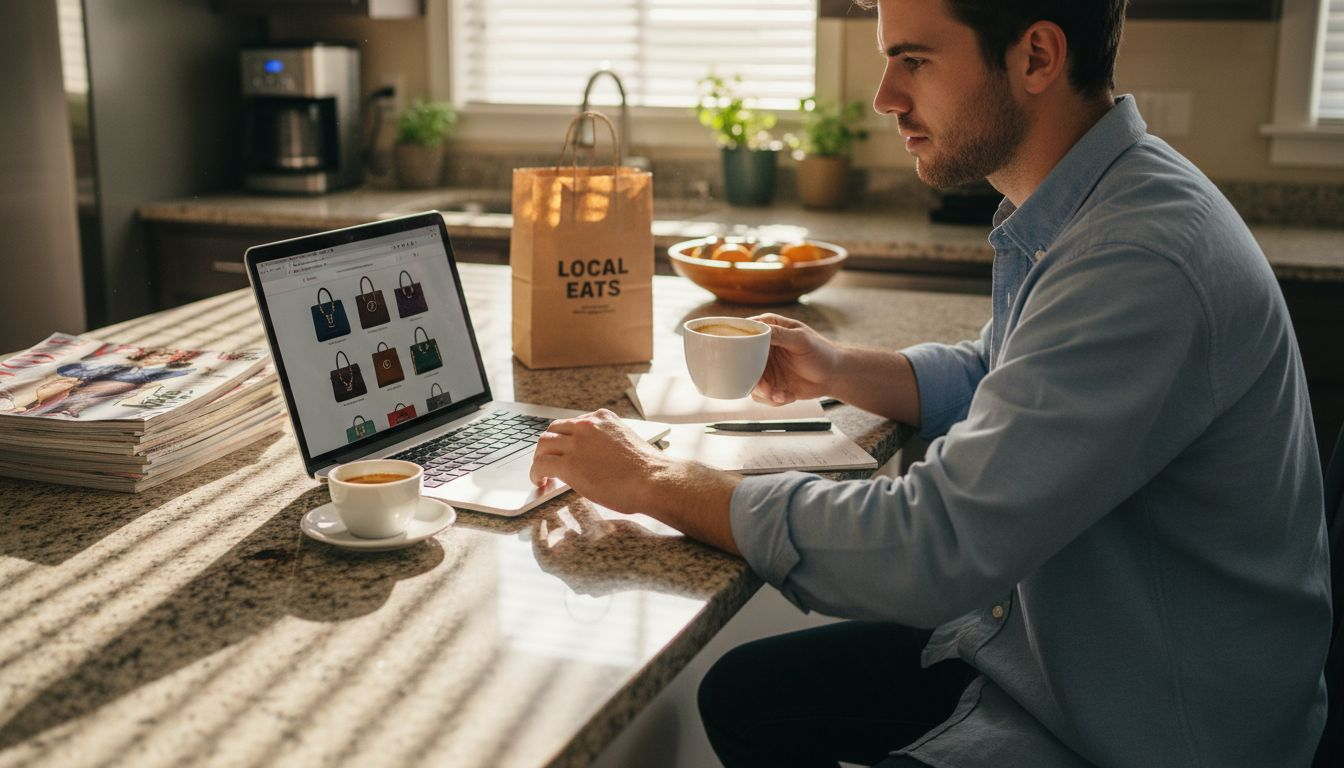
Luxury e-commerce captured 22.7% of total luxury retail sales in 2024, expanding at 7.5% annually. This rapid growth signals that digital channels are no longer supplementary but central to luxury retail. You can now access exclusive collections, receive styling consultations, and preview items from anywhere.
Cultural shifts amplify these technological advances. Affluent consumers increasingly favor fluid luxury dressing that aligns with personal lifestyle over rigid dress codes. This evolution means you’re no longer bound by traditional formality rules. Contemporary luxury adapts to how you actually live, work, and socialize.
Many luxury brands combine heritage preservation with renewal to stay relevant amid fragmented consumer segments. They balance iconic signatures with experimental designs, ensuring collections resonate across diverse tastes. This strategic blend allows you to invest in pieces that honor tradition while embracing innovation.
Key digital experiences transforming luxury shopping include:
- Virtual fitting rooms providing accurate size and fit predictions
- AI stylists offering personalized recommendations based on your preferences
- Live-streamed runway shows granting immediate access to new collections
- Augmented reality tools visualizing products in your space
Pro tip: Leverage these digital experiences to preview and personalize luxury purchases. Virtual try-ons build confidence, reduce returns, and ensure each acquisition truly fits your style and needs.
Understanding these influences helps you navigate contemporary luxury with sophistication. You recognize that innovation enhances rather than diminishes exclusivity, and technology serves as your gateway to more personalized, confident luxury investments.
Luxury Market Dynamics and Consumer Expectations
The luxury consumer base contracted by 50 million over the past two years, creating stark spending polarization. Top affluent buyers now dominate luxury purchases, demanding elevated exclusivity and personalization. This shift means brands intensify focus on serving discerning consumers who expect exceptional value and unique experiences.
You now apply a more fluid approach to luxury dressing, prioritizing lifestyle alignment and self-expression over traditional dress codes. This evolution empowers you to select pieces reflecting your identity rather than conforming to outdated style mandates. Contemporary luxury responds by offering versatile designs that transition across contexts while maintaining status signaling.
Evolving expectations reshape what exclusivity means. You seek:
- Pieces that combine rarity with personal relevance
- Brands demonstrating understanding of your lifestyle nuances
- Status signaling that feels authentic rather than performative
- Products enabling self-expression through design innovation
Luxury brands adapt by fragmenting offerings to serve diverse identity expressions. Some consumers favor understated elegance, while others embrace bold maximalism. This fragmentation allows you to find exactly what resonates without compromise.
Understanding fashion exclusivity in this context matters because market dynamics directly influence product availability and brand strategies. Brands invest heavily in limited releases and customization options to meet your heightened exclusivity demands. This means your purchasing decisions carry more weight, and brands compete intensely for your attention.
Consumer expectations now extend beyond product quality to encompass entire brand narratives. You evaluate how brands communicate values, engage communities, and demonstrate cultural awareness. Contemporary luxury succeeds by aligning product excellence with meaningful brand stories that resonate with your worldview.
Pro tip: Prioritize versatile, statement pieces reflecting your lifestyle while maintaining exclusivity. Invest in items you’ll wear across contexts, maximizing value and ensuring your wardrobe evolves with you rather than against you.
Comparing Contemporary Fashion with Traditional Luxury Fashion
Traditional luxury fashion centers on heritage, timeless designs, and exclusive craftsmanship passed through generations. Think iconic handbag silhouettes unchanged for decades or couture techniques refined over centuries. These pieces emphasize permanence and lineage, appealing to consumers valuing stability and legacy.
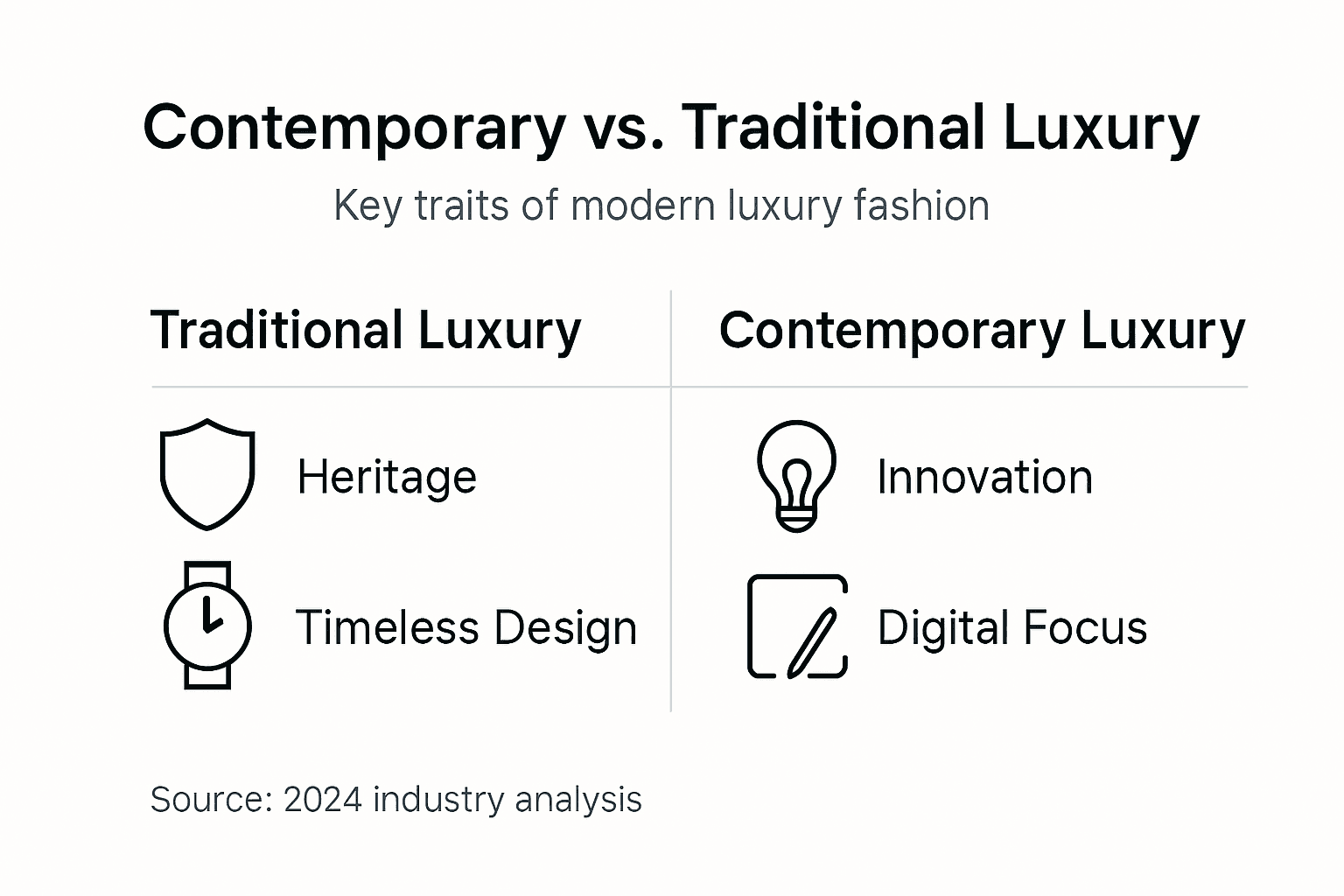
Contemporary luxury adds innovation and digital engagement to remain relevant in rapidly shifting markets. While maintaining quality standards, contemporary brands embrace experimental designs, new materials, and responsive trend integration. This approach recognizes that modern consumers want luxury reflecting current cultural moments alongside enduring value.
Many successful brands blend both paradigms. They preserve signature elements honoring heritage while introducing fresh interpretations attracting new audiences. This balance lets you enjoy recognition associated with established luxury while wearing pieces feeling distinctly modern.
Key differences between traditional and contemporary luxury:
| Aspect | Traditional Luxury | Contemporary Luxury |
|---|---|---|
| Design Philosophy | Timeless, heritage-focused | Modern, culturally responsive |
| Consumer Interaction | Formal, exclusive retail | Digital, personalized engagement |
| Market Approach | Stability, legacy preservation | Innovation, trend integration |
| Product Strategy | Iconic, unchanged designs | Evolving collections, limited editions |
Understanding these distinctions helps you evaluate purchases intelligently. When comparing tote versus shoulder bags, for example, traditional luxury prioritizes iconic shapes, while contemporary luxury experiments with proportions and materials.
Both approaches offer value. Traditional luxury provides investment pieces likely appreciating or holding value. Contemporary luxury delivers excitement and cultural relevance, ensuring your wardrobe feels current. The smartest strategy combines both, creating a wardrobe with depth, versatility, and personal expression.
Recognize that contemporary versus traditional luxury isn’t a binary choice. Most luxury wardrobes benefit from pieces spanning this spectrum, letting you adapt to different occasions while maintaining cohesive personal style.
Key Designers and Trends Defining Contemporary Luxury Fashion in 2024
Five designers dominate contemporary luxury fashion trends in 2024: Miu Miu, Loewe, Prada, Saint Laurent, and Alaïa. These houses lead through maximalism, bold statement pieces, and designs celebrating individuality. Their creative directors shape collections balancing brand heritage with experimental innovation.
Miu Miu exemplifies playful sophistication through unexpected proportions and youthful energy. Loewe pushes craft boundaries with architectural silhouettes and artisanal techniques. Prada maintains intellectual rigor while embracing vibrant prints. Saint Laurent delivers rock-and-roll glamour with refined tailoring. Alaïa continues sculptural excellence honoring its founder’s legacy.
Top trend features defining 2024 contemporary luxury:
- Opulent maximalism rejecting minimalist restraint
- Vibrant prints and bold color blocking
- Unique accessories as focal points
- Heritage elements reimagined through modern lenses
- Statement pieces designed for visual impact
These trends reflect broader cultural shifts valuing self-expression over conformity. You’re encouraged to embrace pieces making bold declarations rather than blending into backgrounds. Contemporary luxury in 2024 rewards confidence and individuality.
When exploring best designer brands for women, consider how each interprets these trends through their unique lens. Some emphasize craftsmanship innovation, others focus on provocative design, and many balance both.
Accessories particularly shine in contemporary luxury. Designer eyeglasses and designer belts transform into statement pieces rather than mere functional items. These accessories let you incorporate contemporary trends without completely overhauling your wardrobe.
Pro tip: When shopping, seek statement pieces combining craftsmanship with boldness for lasting impact. Invest in items distinctive enough to define outfits yet versatile enough to style multiple ways. This approach ensures your contemporary luxury purchases deliver sustained value.
2024 trends emphasize that contemporary luxury isn’t about following every trend but selectively embracing elements resonating with your personal style. You curate rather than conform, building a wardrobe reflecting both current culture and individual identity.
Sustainability and Ethical Practices in Contemporary Luxury Fashion
Sustainability emerged as a defining pillar of contemporary luxury fashion, differentiating forward-thinking brands from those clinging to outdated practices. Affluent consumers increasingly demand transparency around materials, production methods, and labor conditions. This shift reflects growing awareness that true luxury encompasses ethical responsibility alongside aesthetic excellence.
Eco-friendly materials, ethical production, and supply chain transparency form the sustainability foundation. Brands adopting these practices enhance reputation while future-proofing operations against regulatory changes and consumer preferences. You benefit by investing in pieces aligning personal values with style aspirations.
Sustainable practices luxury brands implement include:
- Organic and recycled fabrics reducing environmental footprint
- Zero-waste design methodologies minimizing production excess
- Fair labor standards ensuring dignified working conditions
- Transparent supply chains allowing consumer verification
- Repair and resale programs extending product lifecycles
These initiatives transform sustainability from marketing talking point to operational reality. When you purchase from brands genuinely committed to ethical practices, you support industry evolution towards more responsible models.
Sustainability serves as a brand differentiator in crowded luxury markets. Consumers reward companies demonstrating environmental stewardship and social responsibility with loyalty and premium pricing acceptance. This dynamic incentivizes more brands to adopt sustainable practices, creating positive industry momentum.
Transparency matters because it builds trust. You want assurance that luxury purchases reflect stated values rather than greenwashing. Brands providing detailed information about sourcing, production, and impact earn credibility that translates into stronger customer relationships.
Pro tip: Prioritize sustainable luxury brands to align style with values and future-proof your wardrobe. Pieces produced ethically using quality materials last longer, maintain value better, and provide satisfaction extending beyond aesthetics. Your purchasing decisions influence industry direction, making sustainability choices particularly impactful.
Contemporary luxury increasingly recognizes that sustainability and exclusivity reinforce rather than contradict each other. Limited production using ethical methods enhances rather than diminishes desirability, proving responsible practices strengthen luxury’s fundamental value propositions.
How to Apply Contemporary Fashion Principles in Your Luxury Wardrobe
Building a contemporary luxury wardrobe requires strategic thinking balancing heritage investment pieces with modern statement items. Follow this approach to curate a collection reflecting both timeless quality and current relevance.
- Balance heritage and statement pieces by investing in classic items as foundations, then layering contemporary designs adding personality. This creates versatility while maintaining cohesive style.
- Prioritize craftsmanship and innovation equally, evaluating pieces on both construction quality and design originality. Exceptional execution matters, but so does cultural resonance.
- Use digital tools for personalized shopping, leveraging virtual try-ons and AI consultations to preview items and receive tailored recommendations before purchasing.
Curating a versatile, exclusive wardrobe means selecting pieces working across contexts without sacrificing distinctiveness. You want items transitioning from professional settings to social occasions while maintaining appropriate sophistication levels. Contemporary luxury excels at this versatility through thoughtful design and quality materials.
Leverage designer insights and brand narratives for smarter purchasing. Understanding creative directors’ visions and brand positioning helps you evaluate whether pieces genuinely align with your style versus simply following trends. Best designer brands articulate clear points of view that either resonate or don’t.
Digital try-ons and virtual consultations enhance confidence by reducing uncertainty. You visualize how pieces integrate into existing wardrobes, ensuring new acquisitions complement rather than clash. This technology particularly helps when styling luxury denim or coordinating complex outfits.
Pro tip: Regularly update your wardrobe investments reflecting evolving contemporary trends without losing timeless value. Schedule seasonal reviews assessing which pieces still serve your lifestyle and which no longer fit. This practice keeps your wardrobe fresh while avoiding impulsive purchases you’ll regret.
Maintaining your luxury investments extends their value and lifespan. Learn proper luxury handbag care and storage techniques ensuring pieces remain pristine. Well-maintained contemporary luxury items retain resale value if you decide to refresh your collection.
Applying contemporary fashion principles means thinking strategically about acquisitions. You’re building a wardrobe serving your lifestyle while expressing your identity. Each piece should justify its place through versatility, quality, and personal resonance. This disciplined approach prevents closet clutter while ensuring every item delivers genuine value.
Explore MaraFormigone’s Curated Luxury Fashion Guides
Deepen your luxury fashion expertise with MaraFormigone’s curated guides designed for discerning consumers seeking authoritative insights. Our comprehensive resources cover everything from fashion exclusivity principles to designer brand evaluations, helping you make informed investment decisions.
Discover practical styling advice through our luxury denim guide, offering techniques for incorporating contemporary pieces into sophisticated wardrobes. These resources complement your learning journey, providing actionable strategies for building and maintaining exceptional luxury collections. Explore MaraFormigone’s expertise to elevate your fashion knowledge and refine your personal style.
Frequently Asked Questions About Contemporary Luxury Fashion
What differentiates contemporary luxury fashion from fast fashion?
Contemporary luxury emphasizes exceptional craftsmanship, exclusivity, and lasting style through quality materials and artisanal techniques. Fast fashion prioritizes mass production, disposability, and fleeting trends at low price points. Luxury investments maintain value and longevity, while fast fashion offers temporary solutions without enduring quality.
How do digital tools enhance the luxury shopping experience?
Digital tools like virtual try-ons, AI consultations, and live-streamed shows create personalized, immersive experiences eliminating purchasing uncertainty. These technologies let you preview pieces in your wardrobe, receive tailored recommendations, and access exclusive collections remotely. Enhanced confidence and convenience transform luxury shopping into more satisfying, efficient experiences.
Which designers currently lead contemporary luxury fashion trends?
Miu Miu, Loewe, Prada, Saint Laurent, and Alaïa dominate 2024 contemporary luxury through maximalism and bold statement pieces. These designers balance heritage with innovation, creating collections celebrating individuality and cultural relevance. Their creative visions shape industry direction and influence consumer preferences.
Why is sustainability important in luxury fashion today?
Sustainability reflects growing consumer values prioritizing ethical, eco-friendly practices in purchasing decisions. Brands demonstrating environmental responsibility and transparent supply chains enhance reputation and build customer loyalty. Sustainable luxury investments align personal values with style while future-proofing wardrobes against shifting industry standards.
How can I integrate contemporary fashion pieces into a classic luxury wardrobe?
Combine timeless heritage items with statement-making contemporary pieces, creating balance between stability and excitement. Use digital tools for personalized selections ensuring new acquisitions complement existing wardrobes. Focus on versatile statement pieces working across contexts while maintaining your distinctive style identity.
Recommended
- A Guide to the Best Designer Brands for Women – MaraFormigone
- Affordable Designer Clothes for Women on a Budget – MaraFormigone
- Designer Belts for Women: A Curated Guide to Luxury Style – MaraFormigone
- How to Style Denim: Luxury Tops, Boots, and Sandals for Events – MaraFormigone
- 2025 Trends in Graphic Wear: Expression and Impact – ChillStitchApparel
- Supportive Underwear Trends 2025: Comfort, Health, Eco Values – SLY Collective Underwear