
Ever stand in front of your closet, stare at that perfect dress, and think, “If only something could tie it all together?”
We’ve all been there – that tiny moment of frustration when an outfit feels almost complete, but something’s missing. That missing piece? Often it’s a gorgeous designer belt that adds a whisper of luxury and a confident finish.
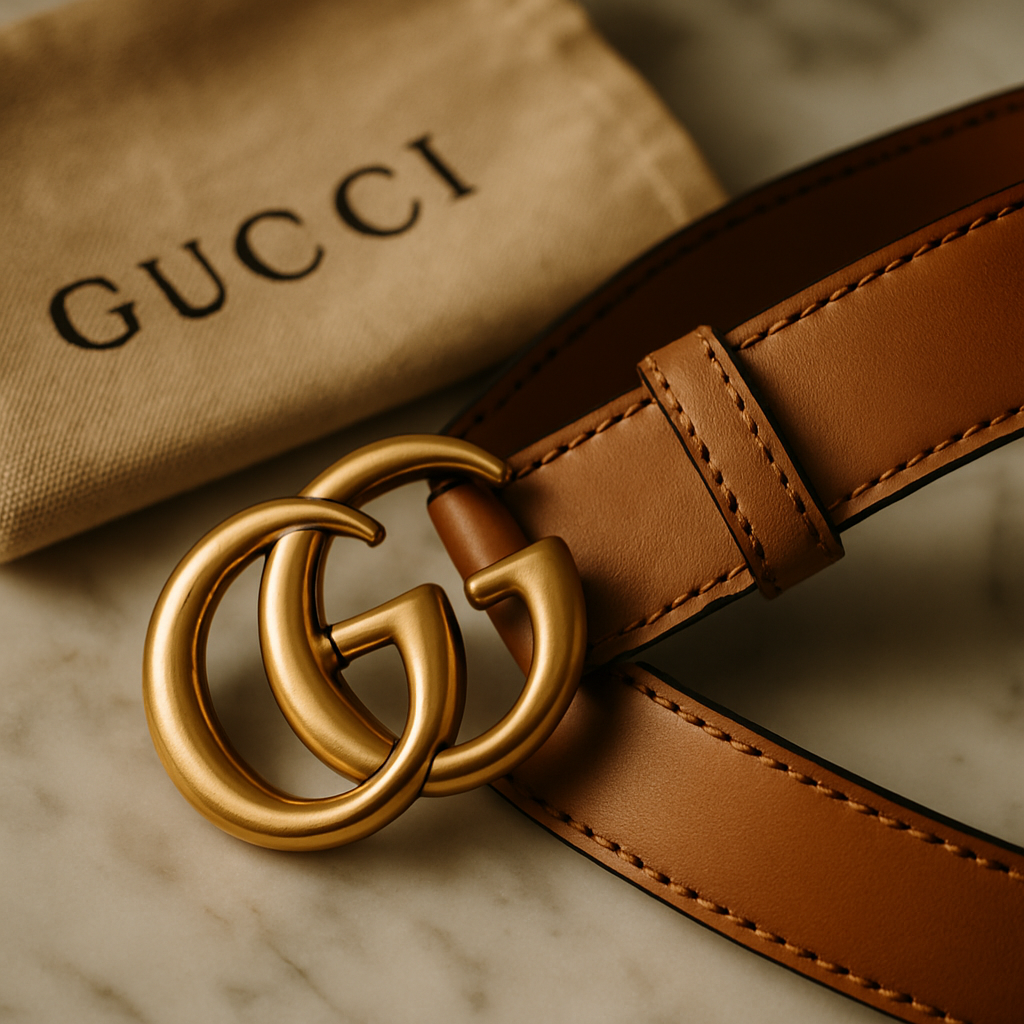
Designer belts for women do more than hold up your pants; they transform a simple look into a statement. Imagine slipping on a sleek leather strap with a subtle GG buckle, instantly feeling the craftsmanship of Gucci beneath your fingertips. Or picture a bold, color‑blocked belt from Louis Vuitton that turns a casual blouse into runway‑ready attire.
But why do we gravitate toward these high‑end accessories? It’s not just about brand names. It’s the story stitched into every stitch, the heritage of a house that’s been perfecting leather for generations. When you wear a genuine piece, you’re not just accessorizing – you’re wearing confidence.
Now, the good news: you don’t need to splurge on a runway price tag to enjoy that feeling. At Mara Formigone, every designer belt for women is 100 % authentic, sourced from trusted suppliers, and arrives in its original packaging. That means you get the same quality you’d expect on a Paris runway, but at a price that actually makes sense for your wardrobe.
So, what should you look for when you’re hunting for that perfect belt? First, think about the material – buttery‑soft calfskin or sturdy suede? Second, consider the buckle – classic logo, minimalist metal, or an eye‑catching statement? Third, match the width to your silhouette; a skinny belt works wonders on a fitted dress, while a wide belt cinches a flowy maxi.
And don’t forget to try it on with pieces you already love. A belt can instantly elevate a plain tee, add shape to a loose dress, or even become the focal point of a minimalist outfit.
Ready to give your wardrobe that luxe upgrade? Let’s dive into the world of designer belts for women and discover how the right strap can change everything.
TL;DR
Designer belts for women add instant polish, shaping outfits from casual tees to elegant dresses while delivering authentic luxury you can trust from Mara Formigone.
Choose the right material, buckle style, and width, try it on with your favorite pieces, and enjoy runway‑level confidence without the runway price tag today.
Understanding Luxury Designer Belts: Materials & Craftsmanship
When you run your fingers over the grain of a calfskin strap, you’re actually feeling decades of artisanal tradition. That buttery softness isn’t just a feel‑good moment; it’s the result of a meticulous tanning process that balances durability with a luxurious drape. Think about it this way: a belt made from full‑grain leather will age like a fine wine, developing a patina that tells your style story over years.
But not every leather is created equal. Suede, for example, offers a velvety texture that works wonders for casual, laid‑back looks, while exotic skins like python or ostrich add a flash of runway drama. The key is matching the material to the occasion – a sleek, polished calfskin for a power suit, a soft suede for weekend brunch, or an exotic print for that statement evening outfit.
Craftsmanship: What Sets a True Designer Belt Apart?
First, look for hand‑stitched detailing. Hand‑stitched edges signal that the piece was assembled by skilled artisans rather than a factory line. You’ll often notice tiny, even stitches along the underside of the strap – a subtle sign of quality that most fast‑fashion belts lack.
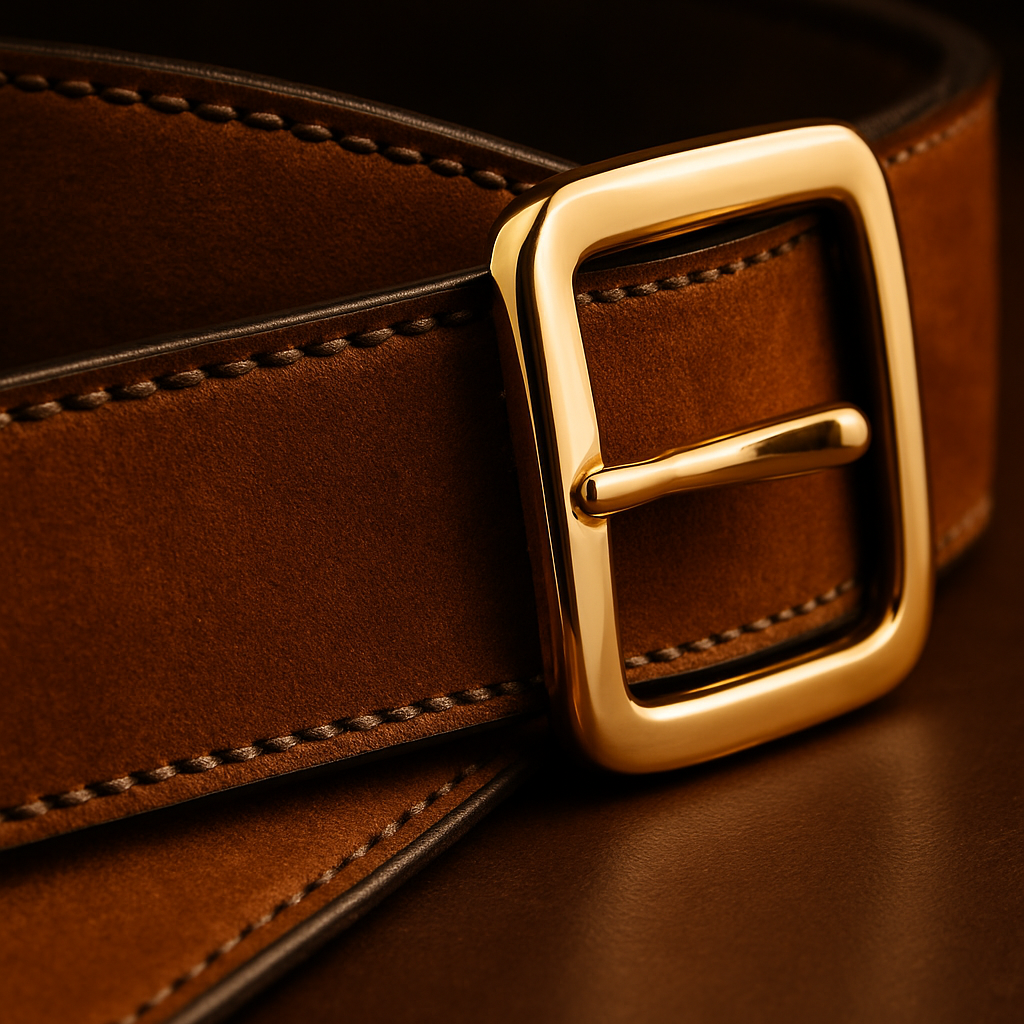
Second, consider the hardware. A genuine gold‑tone buckle that’s heavy enough to feel substantial usually means the brand used solid metal, not a plated veneer. The iconic GG logo on a Gucci belt, for instance, isn’t just a logo; it’s a precision‑engineered piece that’s tested for durability.
And let’s not forget the lining. A high‑end belt will feature a smooth, breathable lining – often silk or fine cotton – that prevents the leather from sticking to your skin and keeps the belt comfortable all day.
Why Materials Matter for Your Wardrobe
Imagine slipping on a wide, matte‑black leather belt with a brushed‑metal buckle over a flowing maxi dress. The contrast of structure and fluidity instantly defines your silhouette. Now picture the same dress with a skinny, glossy patent leather belt – the look shifts to sleek, modern minimalism. The material you choose can either anchor an outfit or lift it into something unexpected.
Even the width of the belt interacts with the material. A thick, textured suede belt works beautifully with oversized coats, adding visual weight that balances the proportions. Meanwhile, a thin, buttery calfskin strap pairs nicely with tailored blazers, offering a whisper of elegance without overwhelming the clean lines.
If you’re curious where to browse a curated selection, check out Designer Belts for Women | Nordstrom for inspiration on how different materials play off each other.
So, how do you know you’re getting authentic craftsmanship? Look for the brand’s hallmark stitching pattern, verify the hardware’s weight, and always ask about the leather’s source. At Mara Formigone we verify every belt’s provenance, ensuring you receive the exact material and finish the designer intended.
While the video walks you through a close‑up of stitching and buckle mechanics, remember that the tactile experience can’t be fully captured on screen. That’s why we encourage you to feel the leather in person or order from a trusted retailer with a solid return policy.
Need a quick health check before you spend hours shopping? Our friends at Dr. Rahul Dubey, ophthalmologist in Sydney remind us that eye strain from endless scrolling can affect decision‑making, so take a break, stretch, and come back with fresh eyes.
And if you ever need a moment of relaxation between fittings, consider a calming vape from Ace Vapes – just a friendly nudge to keep the vibe mellow while you compare textures.
Step 1: Assess Your Personal Style Needs
Picture this: you’re scrolling through your closet, holding a sleek black dress, and you just know something’s missing. That tiny itch you feel? It’s the moment when you realize a belt could be the missing piece that makes the outfit feel *yours*.
Does that little voice sound familiar? “If only I had a belt that actually speaks my style,” you think. Let’s pause that thought and dig into how you can figure out exactly what you need before you click “add to cart.”
Know Your Wardrobe DNA
First, take a quick inventory. Which pieces dominate your everyday looks? Are you a blazer‑and‑trouser kind of girl, or do you live for flowy dresses? The answer tells you whether you’ll reach for a skinny leather strap or a wide, statement buckle.
Grab three of your go‑to items and lay them out. Run a hand along the fabrics—do you have a lot of silk, denim, or knit? Matching the belt material to the predominant textures in your closet ensures the belt feels like a natural extension rather than an afterthought.
Define Your Silhouette Goals
Next, think about the shape you want to highlight. A narrow waist? A defined hip line? A wide belt can cinch a loose dress into an hourglass silhouette, while a thin strap subtly accents a fitted blazer without stealing the show.
Ask yourself: “When I look in the mirror, what part of my body do I want to celebrate?” Your answer will guide the belt’s width, placement, and even buckle style.
Pick Your Signature Detail
Now comes the fun part—choosing the detail that screams *you*. Is it a classic GG logo, a bold gold buckle, or a subtle embossed pattern? According to fashion experts, designer belts can instantly add a pop of color, texture, or pattern that transforms even the simplest outfit into something runway‑ready.
If you gravitate toward neutrals, a polished brass buckle offers a quiet luxe. If you love a splash of drama, a wide belt with an eye‑catching metallic finish can become the focal point of a monochrome look.
Watch that quick video for a visual guide on how the right belt can change the game. Notice how the presenter swaps a thin belt for a wide, jeweled one and instantly shifts the outfit’s vibe from casual to couture.
Test the Belt in Real Life
Before you fall in love with a photo, try the belt on in three real‑world scenarios:
- Desk day: Pair it with your favorite work blazer and high‑waisted trousers. Does it stay put when you sit, stand, and reach for your coffee?
- Weekend brunch: Slip it over a flowy midi dress. Does it accentuate your waist without feeling tight?
- Night out: Layer it over a sleek jumpsuit. Does the buckle catch the light and feel comfortable enough to dance?
If the belt passes all three tests, you’ve found a match that aligns with your personal style needs. If not, note what felt off—maybe the material is too stiff, or the buckle is too heavy—and keep searching.
Bottom line: assessing your style isn’t a one‑size‑fits‑all checklist; it’s a quick, feeling‑based audit that puts you in the driver’s seat. Grab a belt that matches your wardrobe DNA, silhouette goals, and signature detail, then put it through a real‑life trial. When it feels right, you’ll know you’ve got a piece that not only elevates your look but also fits seamlessly into your everyday confidence.
Step 2: Evaluate Fit and Buckle Design
Now that you’ve narrowed down a few styles, it’s time to see how they actually sit on you. The difference between “I like it” and “I love it” often comes down to fit and the way the buckle feels.
Measure the belt width against your body shape
Do you gravitate toward flowy dresses or sharp tailoring? A skinny 1‑inch strap usually works wonders on a fitted blazer, letting the belt whisper rather than shout. A wider 2‑3‑inch band can cinch a loose maxi or a midi dress into an hourglass silhouette.
Try the belt on while standing straight, then sit down. Does the width still feel balanced, or does it start to look bulky? If you notice a gap between the belt and your waist when you sit, that’s a sign the band is too wide for that outfit.
Play with the buckle – size, weight, and finish
We all know a chunky gold GG buckle can become a conversation starter, but it can also feel like you’re carrying a small piece of metal. Pick up the belt; does it feel solid or flimsy? A heavier buckle usually means better construction, but you don’t want it to pull the strap down.
Check the finish too. A polished metal will catch the light at a night out, while a matte brushed metal reads more understated for the office. Flip the belt and run your thumb across the edges of the buckle – any sharp edges or uneven spots can snag fabrics.
Test the fastening mechanism
Is the buckle a classic frame, a snap, or a sliding clasp? Frame buckles give you a defined look and are easy to adjust, but they need a bit of space to sit flat. Snap buckles are quick, but they can dig in if the belt is too tight. Sliding clasps let you fine‑tune the tightness, which is handy when you’re moving between a desk chair and a dance floor.
Fasten the belt, then pull gently on both ends. Does it stay secure, or does the buckle give a little wiggle? A secure click that doesn’t loosen after a few minutes is what you’re aiming for.
Real‑world try‑on checklist
- Desk day: Wear the belt with a tailored shirt and trousers. Does the buckle stay level when you lean forward?
- Weekend brunch: Pair it with a breezy dress. Does the width accentuate your waist without digging into your skin?
- Night out: Slip it over a sleek jumpsuit or cocktail dress. Does the metal catch the light without feeling heavy enough to pull the fabric?
Take notes as you move through each scenario. A quick “feel‑good” moment is great, but you’ll know you’ve nailed it when the belt feels effortless across all three.
Adjustability tricks you didn’t know you needed
If a belt feels just a hair too loose, look for extra holes or a micro‑adjustable slide. Some designer straps include a hidden second row of holes on the inside of the leather – a little secret that adds a few millimeters of flexibility.
On the other hand, if it’s too tight, try a professional leather conditioner. A bit of softening can give the strap a little stretch without compromising its shape.
When to walk away
Sometimes the perfect aesthetic hides a practical flaw. If the buckle scratches delicate fabrics, if the strap slides out of place after a few steps, or if the metal feels cheap despite the brand name, trust your gut and keep looking. Authentic designer belts for women should feel as refined as they look.
Bottom line: the right fit and buckle design turn a beautiful belt into a wearable confidence booster. Spend a few minutes testing, adjusting, and listening to how the belt moves with you. When everything clicks – literally and figuratively – you’ve found the piece that will sit beautifully in your wardrobe for years to come.
Step 3: Compare Top Luxury Brands
Now that you’ve tested fit and buckle feel, it’s time to see which house actually delivers on the promises you just felt. Which brand gives you that buttery‑soft calfskin, a logo that feels weighty, and a price that still lets you breathe?
Do you gravitate toward the classic GG monogram, the sleek LV canvas, or maybe something a bit more avant‑garde? Let’s break it down so you can compare side‑by‑side without scrolling through a dozen pages.
Key comparison factors
When you’re weighing designer belts for women, focus on four things: signature buckle design, leather quality, versatility across outfits, and the price envelope you’re comfortable with.
Think of it like a mini‑shopping checklist – if a belt ticks all the boxes, it’s probably worth adding to your cart.
Brand snapshots
Gucci – The GG logo buckle is instantly recognizable. Gucci leans heavily on full‑grain calfskin that develops a rich patina, and you’ll often find both skinny and wide options in the same season.
Louis Vuitton – Their belts mix the iconic monogram canvas with leather trims, giving you a sporty‑lux vibe. The metal LV buckle is brushed to a matte finish, which reads less shiny but just as luxurious.
Prada – Prada’s approach is minimalist. A clean, polished metal buckle paired with sleek, smooth leather makes the belt a quiet statement that works under a blazer or over a dress.
Each brand also offers seasonal color pops – think Gucci’s neon greens or LV’s seasonal leather shades. Those details can become the focal point of an outfit or fade into the background if you prefer understated elegance.
Real‑world test
Grab a belt from each brand and try the three scenarios we used earlier: desk day, weekend brunch, and night out. Does the Gucci’s heavy buckle feel sturdy enough for a long meeting? Does the LV canvas slide under a light summer dress? Does Prada’s sleek metal stay level when you dance?
If one brand consistently feels better in the moments you care about most, that’s your winner.
Quick decision table
| Brand | Signature Buckle | Material Focus | Typical Price (USD) |
|---|---|---|---|
| Gucci | GG logo, solid brass | Full‑grain calfskin, occasional suede | $350‑$600 |
| Louis Vuitton | LV monogram, brushed metal | Monogram canvas + leather trim | $300‑$550 |
| Prada | Minimalist polished metal | Smooth calfskin, matte finishes | $280‑$500 |
Notice the overlap? All three give you a heavy‑feeling buckle and premium leather, but the aesthetic cues differ. Pick the one that aligns with your daily wardrobe palette.
If you need a quick visual guide, the D2Line belt collection page breaks down thin versus wide options and shows how each style pairs with workwear or casual looks.
And for a hands‑on look at how a belt can transform three different outfits, check out this style guide video that walks you through exactly that.
Bottom line: the best designer belt for you isn’t just about the name on the buckle. It’s about how the material feels against your skin, how the buckle sits when you move, and whether the price fits your budget while still delivering that luxe confidence you deserve.
Take a moment, line up your top three contenders, and let the feel‑test decide. When the right brand clicks, you’ll know because you’ll picture it already looping around your waist in every outfit you own.
Step 4: Authenticity Checklist & Trusted Retailers
Alright, you’ve narrowed down a few gorgeous belts, but before you click ‘add to cart,’ let’s make sure you’re not accidentally buying a replica. Think of it as a quick health check for your future favorite accessory.
Quick authenticity checklist
Grab a pen or your phone and run through these five things. It only takes a minute, and the peace of mind is worth it.
- Packaging & tags. Authentic designer belts arrive in the brand’s original box, with a dust bag, care card, and a serial number or authenticity tag. If the box feels cheap or the tag is misspelled, that’s a red flag.
- Stitch count and edge finish. High‑end belts have tight, even hand‑stitched seams and burnished edges that feel smooth, not frayed.
- Buckle weight. A solid metal buckle (brass, gold‑tone, or stainless) feels substantial. Light, hollow‑feeling buckles usually mean a cost‑cutting version.
- Leather scent and feel. Real leather gives off a faint, natural aroma and yields a supple, slightly grainy texture. Synthetic leather often smells like plastic.
- Serial numbers or QR codes. Many houses embed a QR code or serial number that you can verify on the brand’s website or through a customer service line.
Does that checklist feel doable? Great—now let’s talk about where you can actually find belts that pass every item.
Where to shop with confidence
We’ve already talked about the importance of buying from trusted suppliers. The safest bet is a boutique that guarantees authenticity and provides original packaging. Mara Formigone does exactly that, but if you’re scouting around, keep an eye on these types of retailers:
- Official brand websites or flagship stores. They control the supply chain from the atelier straight to your door.
- Established luxury department stores that have a dedicated authenticity team—think Nordstrom, Bloomingdale’s, or Saks.
- Curated online boutiques that publish their sourcing policy and offer a money‑back guarantee if the item fails an authenticity test.
For a concrete example, Isabel Marant’s belt collection showcases a range of leather and suede options, each displayed with clear product photos, material details, and the brand’s hallmark packaging. Seeing the same level of detail on a site signals that the retailer is serious about genuine pieces.
But what if you stumble upon a marketplace that looks tempting because of a lower price? That’s where the red‑flag list comes in.
Red flags to watch
Ever gotten a “too good to be true” deal? Here’s what to sniff out:
- Vague product descriptions—no mention of material, stitching, or country of origin.
- Stock photos that look overly polished or reused across multiple listings.
- Seller refuses to provide proof of authenticity or a return policy.
- Payments only accepted via wire transfer or non‑protected platforms.
If any of those show up, hit pause. It’s better to wait for the right source than to waste money on a fake that will disappoint the moment you try it on.
And remember, a genuine belt isn’t just a status symbol; it’s an investment that ages beautifully, develops a patina, and becomes a story you’ll tell for years. Treat the buying process like you would a piece of art—research, verify, and then enjoy.
So, what’s the next step? Grab your checklist, visit a trusted retailer—whether it’s Mara Formigone or an authorized department store—and give that belt a feel‑test in person or via high‑resolution images. When every box ticked feels right, you’ve secured a piece that will sit comfortably on your waist and your conscience.
Happy hunting, and may your new designer belt be as authentic as your style.
Conclusion
After strolling through material choices, fit tests, brand quirks, and authenticity checkpoints, you’ve got a clear roadmap for picking the perfect designer belts for women.
Remember, the leather you run your fingers over should feel alive – a buttery calfskin that will develop a patina as you wear it. The buckle isn’t just a logo; it’s a weighty signal of quality that should sit flat without digging.
We’ve also seen why a quick authenticity checklist saves you from costly fakes. Original packaging, solid stitching, and a hefty metal buckle are non‑negotiable signs you’re getting the real deal.
So, what’s the next move? Grab your checklist, head to a trusted retailer like Mara Formigone, and give your top contenders a feel‑test in person or through high‑resolution photos. When the belt clicks in every scenario – desk, brunch, night out – you know it’s a match.
Finally, treat that belt like a timeless piece of art. Care for it, store it flat, and let it age gracefully alongside your style evolution. Happy hunting, and may every designer belt for women you choose become a confidence‑boosting staple in your wardrobe.
Keep this guide handy the next time you browse a collection – a quick reference will keep you confident and prevent buyer’s remorse.
FAQ
How can I tell if a designer belt for women is authentic when I’m shopping online?
First, check the photos for the original dust‑bag, serial number tag, and the brand’s packaging details – they should be crystal clear, not blurry. Next, zoom in on the stitching; authentic belts have tight, even hand‑stitched seams with no fraying. The buckle should feel heavy and be solid metal, not a hollow plastic replica. Finally, compare the item’s description with the brand’s official website – any misspellings or vague material claims are red flags.
What belt width should I choose for casual versus formal outfits?
A skinny 1‑inch strap works like a whisper on a tailored blazer, a crisp shirt, or a sleek sheath dress – it adds shape without stealing the spotlight. For flowy maxi dresses, weekend jumpsuits, or a high‑waist skirt, go for a wider 2‑3‑inch band; it cinches the waist and creates an hourglass silhouette. Think of width as the volume knob: the narrower the belt, the subtler the statement; the wider, the bolder the impact.
Can I wear a leather designer belt in rainy or humid weather?
Real leather loves a little breath, but too much moisture can stain or warp it. If you get caught in a drizzle, blot the surface with a soft cloth right away and let it air‑dry away from direct heat. For humid days, store the belt in a breathable cotton bag rather than plastic, and consider a quick light conditioning after it’s dry. A well‑treated calfskin belt will bounce back, but frequent exposure will eventually dull the patina.
How often should I condition a calfskin belt to keep it supple?
Aim for a light conditioning every three to four months if you wear the belt regularly. Use a leather conditioner made for high‑end leather – a few drops on a soft cloth, rub in gentle circles, then let it soak for about 15 minutes before wiping off excess. Over‑conditioning can make the leather too soft, so resist the urge to do it monthly unless the belt looks especially dry.
Is a logo‑heavy buckle less versatile than a minimalist metal buckle?
Logo buckles make an instant statement and pair beautifully with simple, monochrome outfits – they become the focal point. Minimalist buckles, on the other hand, act like a silent partner; they slide under patterned tops, work with both casual denim and formal gowns, and won’t clash with other accessories. If you love switching looks often, a sleek brushed‑metal buckle gives you the most flexibility without sacrificing luxury.
What should I look for in the stitching quality of a designer belt?
High‑end belts typically feature a double‑stitch line that’s about 5‑mm apart and runs parallel along the entire edge. The stitches should sit flush against the leather, not protrude or create gaps. Hand‑stitched seams often have a slightly uneven rhythm that feels intentional, whereas machine‑stitched lines can look too uniform and may fray over time. A quick flip‑over test – count the stitches per inch; 12‑plus is a solid benchmark.
How do I store my designer belts so they stay fresh and retain their shape?
Lay each belt flat on a clean surface, preferably inside a breathable cotton dust‑bag. Avoid rolling them, which can creases the leather and weaken the buckle’s alignment. If you have multiple belts, separate them with soft tissue paper to prevent rubbing. Keep them away from direct sunlight and heat sources, as those can dry out the leather and cause cracking. A temperature‑stable closet shelf is your belt’s best friend.