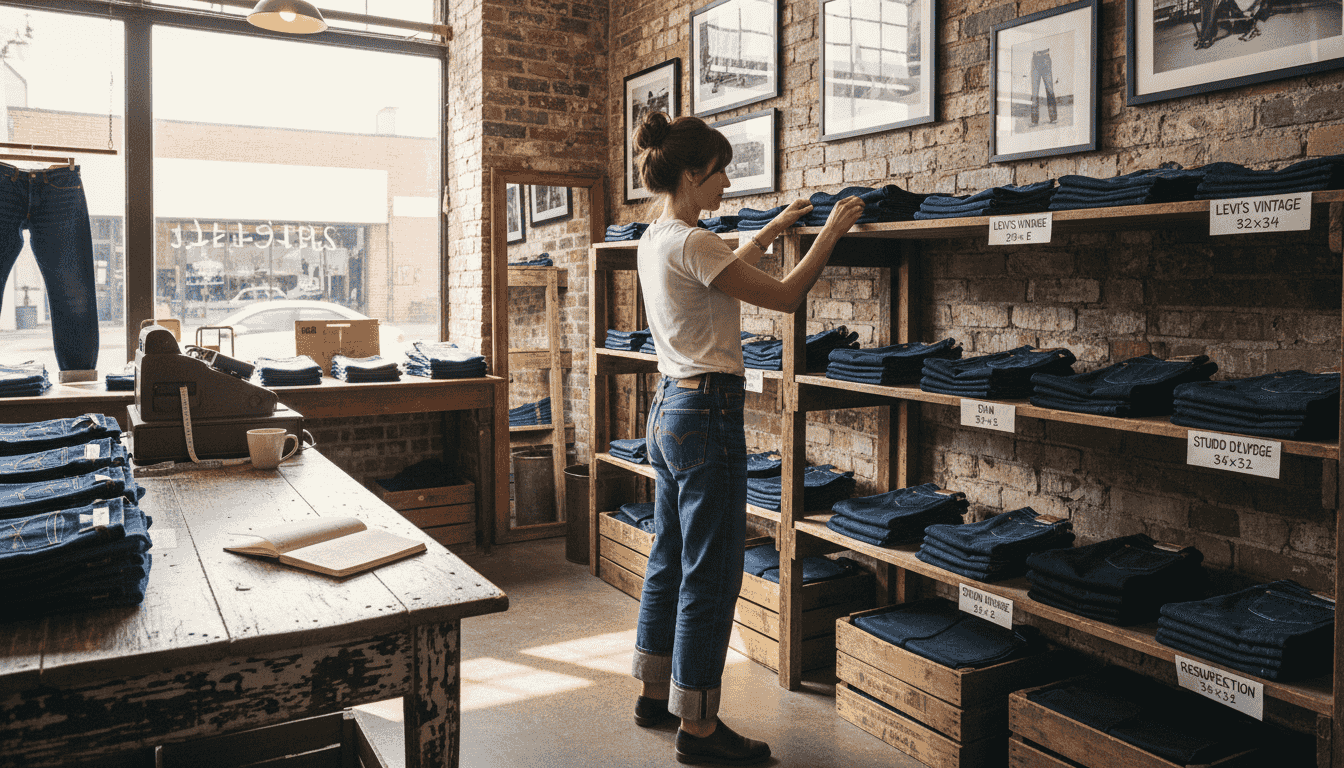
How innovation drives luxury fashion success in 2026
Luxury fashion brands investing in digital innovation increase sales by up to 30% according to industry analysis. This statistic reveals innovation’s tangible commercial impact, far beyond superficial aesthetic updates. Innovation in luxury fashion encompasses technological advancements and process improvements reshaping design workflows, retail experiences, and sustainability practices. Understanding how innovation transforms these areas helps fashion professionals maintain competitive advantage in an evolving market.
Table of Contents
- Introduction To Innovation In Luxury Fashion
- Technological Innovations Revolutionizing Luxury Fashion Design
- Innovations Transforming Luxury Fashion Retail Experience
- Sustainability And Innovation: The Future Of Luxury Fashion
- Common Misconceptions About Innovation In Fashion
- Frameworks For Integrating Technology With Traditional Craftsmanship
- Practical Steps For Luxury Fashion Professionals
- Conclusion And Future Outlook For Innovation In Luxury Fashion
- Explore Luxury Innovation With MaraFormigone
Key takeaways
| Point | Details |
|---|---|
| Design transformation | AI, 3D printing, and sustainable materials revolutionize luxury fashion creation and customization. |
| Enhanced retail | AR try-ons, AI personalization, and immersive environments boost customer engagement and conversion rates. |
| Sustainability leadership | Blockchain traceability and biodegradable fabrics address environmental concerns while building consumer trust. |
| Myth correction | Innovation amplifies craftsmanship rather than replacing it, delivering measurable operational improvements. |
| Strategic integration | Practical frameworks help luxury brands blend heritage storytelling with modern technology effectively. |
Introduction to innovation in luxury fashion
Innovation is a vital competitive advantage in luxury fashion, not merely a marketing trend. It represents technological and process advancements specifically applied to elevate design precision, retail engagement, and environmental responsibility. Historically, luxury fashion prioritized traditional craftsmanship and heritage techniques. Today’s market demands integration of cutting-edge technology while preserving brand identity and artisanal excellence.
This evolution reflects shifting consumer expectations. Modern luxury shoppers value authenticity, sustainability, and personalized experiences alongside timeless quality. Brands successfully adapting to these demands maintain market relevance and command premium pricing. The contemporary fashion luxury market demonstrates how strategic innovation investment separates industry leaders from followers.
Luxury brands innovate across multiple dimensions:
- Design technology streamlining pattern creation, material development, and bespoke customization
- Retail experience enhancement through immersive digital environments and AI-powered personalization
- Sustainability practices incorporating transparent supply chains and eco-friendly materials
- Production efficiency balancing automation with handcrafted detailing
Understanding these innovation categories helps professionals identify opportunities aligned with their brand vision. Fashion editors play crucial roles in communicating innovation narratives to discerning audiences. Strategic application requires evaluating each technology’s fit with heritage values and customer needs. Expert styling approaches increasingly incorporate innovation-driven pieces that balance modern aesthetics with timeless appeal.
Technological innovations revolutionizing luxury fashion design
Artificial intelligence transforms luxury design through hyper-personalized fashion and accurate trend forecasting, boosting market responsiveness dramatically. AI algorithms analyze vast consumer data sets to predict emerging preferences before they reach mainstream awareness. This capability enables brands to develop collections meeting demand precisely while reducing overproduction waste.
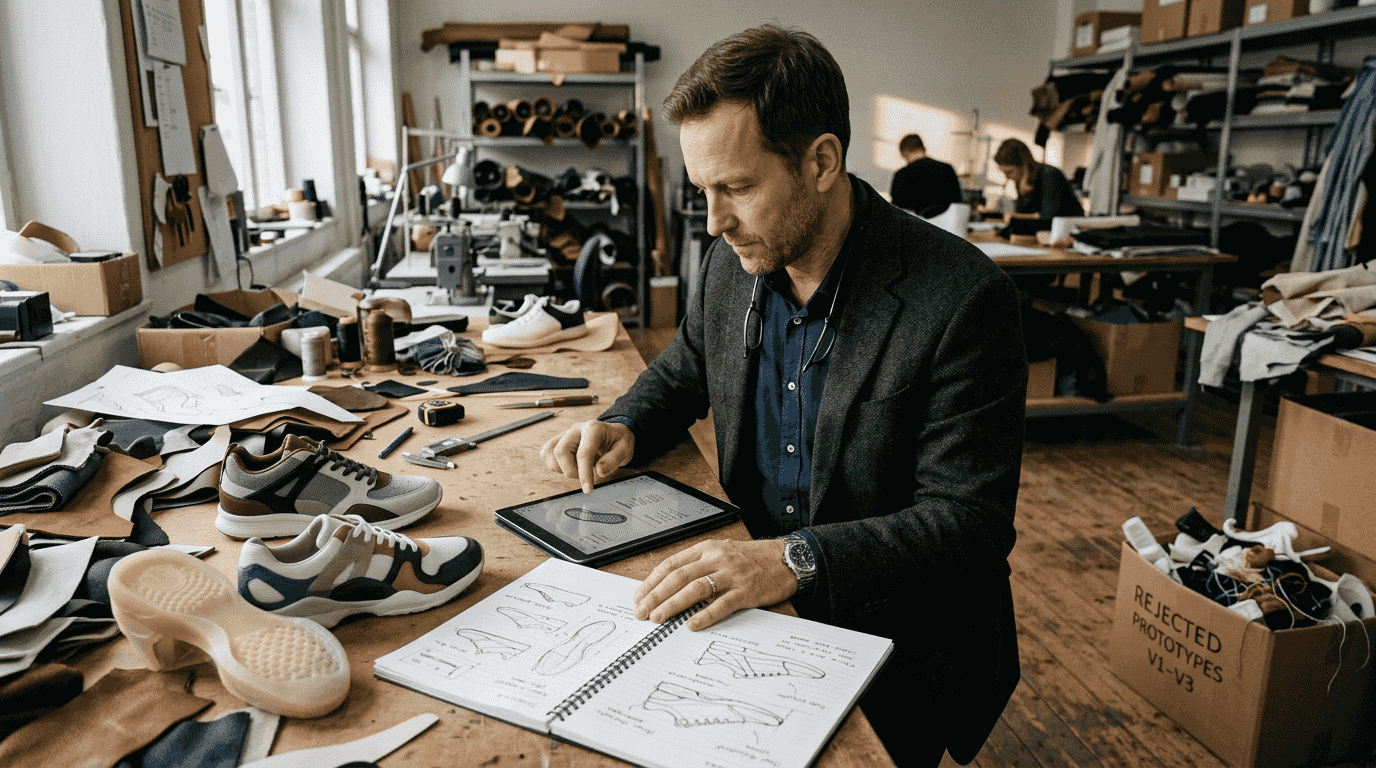
AI applications extend beyond forecasting into bespoke design personalization. Advanced systems generate custom pattern variations based on individual body measurements, style preferences, and purchase history. This level of customization was previously achievable only through extensive manual consultations. Now, technology scales personalized luxury to broader customer segments while maintaining exclusivity.
3D printing introduces revolutionary manufacturing capabilities:
- On-demand production eliminating inventory waste and storage costs
- Complex geometric designs impossible through traditional cutting and sewing
- Rapid prototyping accelerating design iteration cycles from months to days
- Material efficiency reducing fabric waste by up to 60% compared to conventional methods
Sustainable materials development represents another critical innovation frontier. Biodegradable luxury fabrics derived from mushroom mycelium, algae, and lab-grown leather offer environmental benefits without compromising quality or aesthetics. These materials meet rising consumer demand for eco-conscious luxury while enabling creative exploration of novel textures and finishes.
| Factor | 3D Printing | Traditional Fabrication |
|---|---|---|
| Customization | Fully parametric individual pieces | Limited to size variations |
| Waste Production | Minimal material excess | 15-20% fabric waste typical |
| Speed to Market | Prototype to production in days | Weeks or months required |
| Design Complexity | Unlimited geometric freedom | Constrained by cutting/sewing |
Pro Tip: Evaluate emerging technologies based on alignment with your brand’s creative vision and sustainability commitments rather than adopting innovations simply for novelty appeal.
The contemporary fashion landscape rewards brands that strategically integrate these technologies while maintaining distinctive aesthetic identities. Success requires balancing innovation adoption with preservation of craftsmanship heritage that defines luxury positioning.
Innovations transforming luxury fashion retail experience
Augmented reality technology increases conversion rates by making try-ons interactive and engaging for luxury consumers. AR applications enable customers to visualize products in realistic contexts before purchase, reducing hesitation and return rates. Virtual fitting rooms allow shoppers to see how garments drape and move on digital avatars matching their measurements. This technology bridges the gap between online convenience and in-store tactile experience.
AI-powered personalization engines analyze browsing patterns, purchase history, and style preferences to curate individualized product recommendations. These systems operate both online and in physical boutiques through connected devices. Sales associates equipped with AI insights can suggest complementary pieces and styling options with unprecedented precision. The result is a seamless, consultative experience that feels intimate rather than algorithmic.
Multi-sensory retail environments blend physical and digital elements to create immersive brand experiences. Interactive displays respond to customer presence and gestures. Digital mirrors showcase styling variations without physical garment changes. Scent, lighting, and soundscapes adapt to enhance the emotional connection with collections. These innovations transform shopping from transactional to experiential, justifying luxury price premiums through memorable engagement.
Technology tools elevating customer service include:
- Chatbots providing instant product information and styling advice 24/7
- Virtual personal shoppers scheduling appointments and preparing curated selections
- Mobile apps enabling seamless omnichannel browsing, purchasing, and loyalty tracking
- Smart inventory systems ensuring product availability and rapid fulfillment
These innovations particularly enhance luxury fashion for women, where personalization and experience significantly influence purchase decisions. Technology enables brands to deliver the attentive service associated with luxury while scaling efficiently. The key is implementing tools that feel helpful rather than intrusive, maintaining the human touch essential to luxury retail.
Sustainability and innovation: the future of luxury fashion
Blockchain technology increases supply chain trust and reduces counterfeit goods through tamper-proof authentication records. Each product receives a digital certificate documenting its journey from raw materials through manufacturing to final sale. Consumers can verify authenticity instantly using smartphone apps, protecting brand integrity and buyer confidence. This transparency also reveals environmental and labor practices throughout production, addressing ethical concerns increasingly important to luxury consumers.
Biodegradable and eco-friendly luxury fabrics emerge as viable alternatives to traditional materials. Innovations include pineapple leaf leather, spider silk proteins produced through fermentation, and regenerated cellulose fibers with minimal chemical processing. These materials match or exceed conventional options in durability, texture, and visual appeal while dramatically reducing environmental footprints. Luxury brands adopting sustainable materials position themselves as industry leaders rather than followers of regulatory requirements.
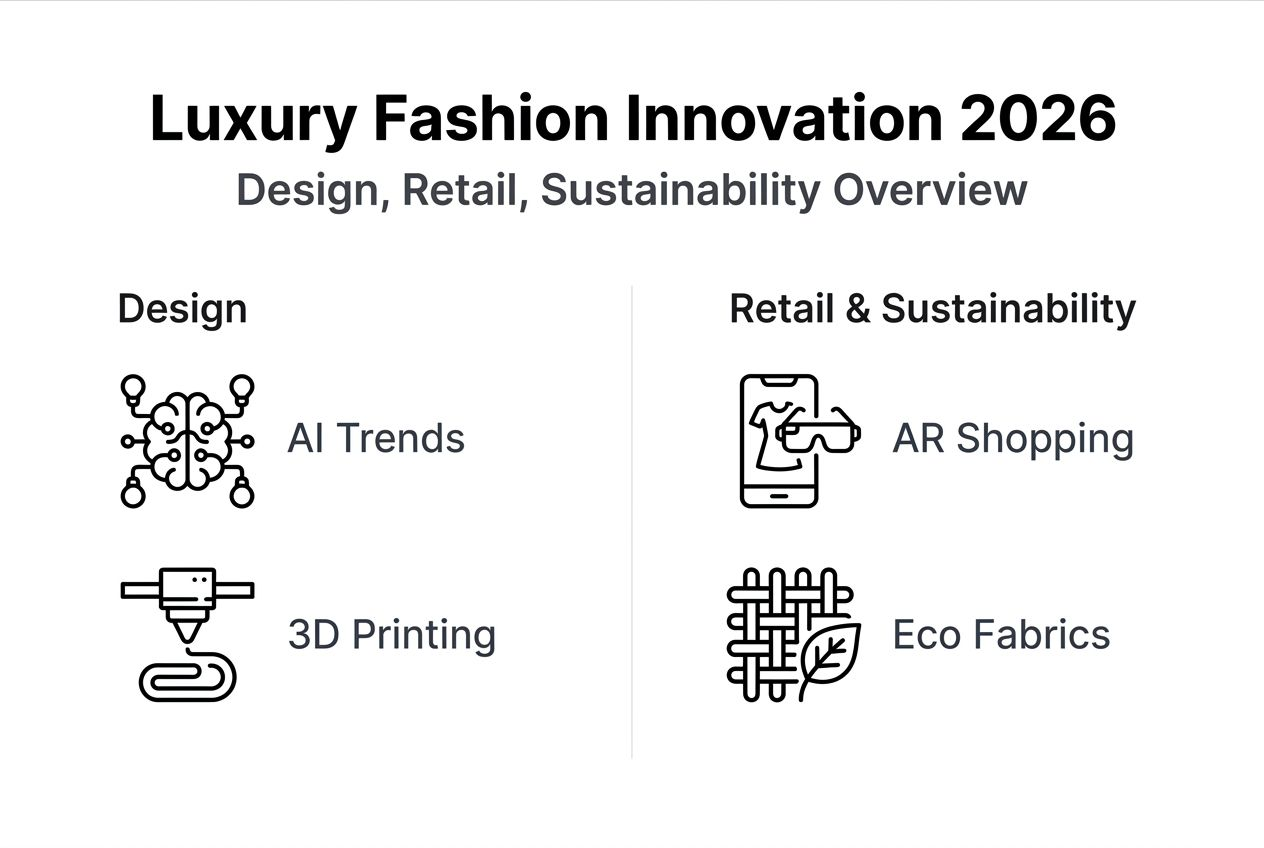
Consumer research indicates willingness to pay premium prices for verified sustainable products. Transparency enabled by technology converts sustainability claims from marketing rhetoric into demonstrable facts. This shift benefits brands genuinely committed to environmental responsibility while exposing superficial greenwashing attempts.
Steps luxury brands take to integrate sustainability technology:
- Implement blockchain tracking for complete supply chain visibility and authentication
- Partner with material science innovators developing next-generation sustainable fabrics
- Adopt circular economy models enabling product repair, resale, and recycling programs
- Measure and publicly report environmental impact metrics using standardized frameworks
- Educate consumers on sustainability benefits through transparent storytelling and verification tools
| Material Type | Environmental Impact | Durability | Aesthetic Quality | Production Cost |
|---|---|---|---|---|
| Traditional Leather | High water use, chemical processing | Excellent longevity | Classic luxury appeal | Moderate baseline |
| Lab-Grown Leather | 90% less water, minimal chemicals | Comparable durability | Indistinguishable quality | Currently 20% premium |
| Plant-Based Alternatives | Low water, biodegradable | Good with proper care | Unique textures available | Variable, decreasing |
Understanding fashion seasons and sustainable wardrobe planning helps consumers make informed choices aligning luxury purchases with environmental values. Innovation in luxury footwear demonstrates how sustainable materials can meet performance and aesthetic standards in demanding product categories.
Common misconceptions about innovation in fashion
Myth: Innovation means only surface-level aesthetic updates like flashy tech integrations or futuristic designs. Reality: Innovation is more than aesthetics; it enhances craftsmanship and operational impact throughout design, production, and retail processes. Meaningful innovation often operates invisibly, improving efficiency, sustainability, and personalization without dramatic visual changes. The most successful luxury innovations enhance core brand values rather than contradicting them.
Myth: Technology replaces human craftsmanship, eliminating the artisanal skills that define luxury fashion. Reality: Innovation amplifies craftspeople’s capabilities rather than replacing them. AI assists pattern makers in exploring variations more rapidly. 3D printing produces complex structural elements that artisans finish by hand. Technology handles repetitive precision tasks, freeing skilled workers to focus on creative details and quality refinement that machines cannot replicate.
Myth: Innovation is hype without measurable impact, serving primarily as marketing talking points. Reality: Data demonstrates concrete benefits including reduced production waste, higher conversion rates, improved customer satisfaction scores, and enhanced brand differentiation. Brands tracking innovation ROI consistently report positive returns when implementations align strategically with customer needs and operational goals.
Key facts debunking these myths:
- Luxury brands using AI design tools report 40% faster development cycles while maintaining quality standards
- Hybrid production combining automation and handcraft reduces costs without sacrificing the premium positioning
- Customer engagement metrics show significantly higher satisfaction with personalized, technology-enabled shopping experiences
- Sustainability innovations attract younger luxury consumers willing to pay premiums for verified environmental benefits
Pro Tip: Frame innovation as a tool amplifying craftsmanship and heritage rather than replacing tradition, ensuring technology adoption supports rather than undermines your luxury brand identity.
The quiet luxury movement exemplifies how innovation can enhance understated elegance through superior materials, precision construction, and personalized fit, all invisible to casual observers yet deeply appreciated by discerning consumers.
Frameworks for integrating technology with traditional craftsmanship
Successful hybrid production balances brand identity with technological efficiency through strategic alignment of innovation investments with heritage storytelling. Gucci’s approach combines AI-driven trend analysis with traditional Italian leatherworking, allowing designers to explore contemporary aesthetics while maintaining construction quality standards established over decades. Alexander McQueen integrates 3D printing for sculptural elements within garments otherwise constructed through couture techniques, creating pieces impossible through either method alone.
Strategies for aligning technology adoption with brand heritage include starting with pilot programs in specific product categories or limited editions. This approach minimizes risk while generating learnings applicable to broader collections. Communicating innovation narratives that emphasize enhancing rather than replacing tradition helps customers understand how technology serves timeless luxury values.
Hybrid production techniques merging handcraft with automation:
- Laser cutting precise pattern pieces that artisans assemble and finish manually
- Computer-aided embroidery design with hand-applied embellishments and quality refinement
- 3D-knitted structural elements integrated into hand-sewn garment construction
- Digital printing custom patterns onto fabrics subsequently tailored through traditional methods
Best practices for preserving craftsmanship while innovating:
- Invest in training programs teaching artisans to work alongside new technologies effectively
- Maintain apprenticeship systems ensuring traditional skills transfer to younger generations
- Document heritage techniques digitally for preservation while exploring modern applications
- Involve craftspeople in innovation decisions, leveraging their expertise to identify beneficial applications
- Communicate the human stories behind technology-enhanced products, maintaining emotional connections
This balanced approach satisfies consumers seeking both cutting-edge innovation and authentic craftsmanship heritage. Brands successfully navigating this duality maintain pricing power and customer loyalty across demographic segments. The framework scales from independent ateliers to global luxury conglomerates, adaptable to different brand positioning and resource levels.
Practical steps for luxury fashion professionals
Evaluating technology suitability and integrating consumer feedback ensures innovation success through systematic assessment and iterative refinement. Begin by identifying specific pain points in current design, production, or retail processes that technology could address. Prioritize innovations offering measurable improvements in customer experience, operational efficiency, or sustainability metrics aligned with strategic goals.
Critical implementation steps:
- Conduct needs assessment mapping current challenges to available technology solutions with clear success criteria
- Pilot selected innovations on limited scale, measuring performance against established benchmarks before broader rollout
- Gather continuous customer feedback through surveys, usage analytics, and direct conversations to refine implementation
- Train staff comprehensively on new systems, ensuring they understand both technical operation and strategic purpose
Incorporating sustainability metrics requires establishing baseline measurements for water usage, chemical inputs, waste generation, and carbon emissions. Evaluate potential innovations based on projected environmental impact reductions alongside cost and quality considerations. Transparent reporting of sustainability improvements builds consumer trust and differentiates brands in competitive markets.
Data-driven customer experience improvements focus on analyzing behavioral patterns, purchase triggers, and satisfaction drivers. A/B testing different personalization algorithms, AR features, or retail environment configurations reveals what resonates most powerfully with target audiences. Continuous optimization based on real performance data prevents innovation investments from becoming expensive distractions.
Pro Tip: Establish regular customer advisory panels providing candid input on innovation initiatives, ensuring technology implementations address genuine needs rather than assumptions about consumer preferences.
Successful innovation requires patience and willingness to iterate. Initial implementations rarely perform optimally without refinement based on real-world feedback. Building organizational cultures that view innovation as continuous improvement rather than one-time projects sustains competitive advantage over years. Start small, measure rigorously, and scale what works while quickly abandoning approaches that underperform.
Conclusion and future outlook for innovation in luxury fashion
Innovation fundamentally reshapes luxury fashion across design, retail, and sustainability dimensions. AI and 3D printing accelerate personalized creation while reducing waste. AR and AI personalization transform shopping into immersive, consultative experiences. Blockchain and biodegradable materials address environmental concerns while building consumer trust through transparency. These technologies amplify rather than replace the craftsmanship and heritage that define luxury positioning.
Emerging trends to watch include advanced AI generating entirely original designs based on brand aesthetic DNA, enhanced AR enabling full wardrobe virtualization before purchase, and nanomaterial innovations offering unprecedented performance characteristics. Quantum computing may eventually optimize complex supply chains in real time, further improving efficiency and sustainability.
Long-term sustainability goals increasingly shape innovation priorities. Circular economy models enabling perpetual product lifecycles through repair, resale, and material recycling will become industry standards rather than differentiators. Consumer expectations for verified environmental claims will intensify, making transparency technologies essential for maintaining luxury credibility.
Balancing innovation with heritage remains the central challenge for luxury fashion professionals. Success requires viewing technology as a tool serving timeless values rather than an end itself. Brands embracing this mindset maintain relevance across generations while preserving the artisanal excellence justifying premium positioning. Innovation is a continuous journey rather than a destination, demanding ongoing curiosity, experimentation, and adaptation.
Explore luxury innovation with MaraFormigone
Discover how MaraFormigone curates luxury fashion collections blending traditional craftsmanship with contemporary aesthetics. Our selection showcases designers who successfully integrate innovation while maintaining the quality and artistry that define true luxury. Experience pieces that exemplify the balance between heritage techniques and modern design sensibilities discussed throughout this guide.

Explore our featured Love Moschino shoulder bags combining trend-forward design with exceptional construction quality. Each piece reflects the innovation principles of personalization, sustainability, and craftsmanship that elevate luxury fashion beyond fleeting trends. Visit MaraFormigone to browse our complete collection and find items that express your unique style while supporting brands committed to responsible innovation.
FAQ
What technologies are most impactful in luxury fashion design?
AI for trend forecasting, 3D printing for customization, and sustainable materials represent the most transformative design technologies. AI analyzes consumer data to predict preferences accurately, enabling responsive collection development. 3D printing reduces waste by 60% while enabling complex geometric designs impossible through traditional methods. Biodegradable luxury fabrics like lab-grown leather offer environmental benefits without compromising quality or aesthetic appeal.
How does innovation improve the luxury retail experience?
Augmented reality and AI personalization create immersive, tailored shopping experiences that increase conversion rates significantly. AR try-ons reduce purchase hesitation by enabling realistic product visualization before buying. AI engines curate individualized recommendations based on browsing patterns and preferences, creating consultative experiences that feel intimate rather than algorithmic. Multi-sensory environments blending physical and digital elements transform shopping from transactional to memorable.
What misconceptions prevent full adoption of innovation in luxury fashion?
Myths that innovation means only aesthetic updates or replaces craftsmanship limit understanding of technology’s real benefits. Innovation actually enhances operational efficiency, sustainability, and personalization while amplifying artisanal skills rather than eliminating them. Technology handles precision tasks, freeing craftspeople to focus on creative refinement that machines cannot replicate. Measurable impacts include faster development cycles, reduced waste, and higher customer satisfaction scores.
How can luxury brands balance tradition with technological innovation?
Hybrid production techniques and strategic alignment with brand heritage enable successful technology integration. Examples include Gucci combining AI trend analysis with traditional Italian leatherworking, and Alexander McQueen integrating 3D-printed sculptural elements within couture-constructed garments. Best practices involve training artisans to work with new technologies, maintaining apprenticeship systems, and communicating innovation narratives that emphasize enhancing rather than replacing tradition.
Why is sustainability innovation critical for luxury fashion’s future?
Consumer demand for verified environmental responsibility and regulatory pressures make sustainability innovation essential for maintaining luxury credibility. Blockchain enables transparent supply chain tracking that converts sustainability claims into demonstrable facts. Biodegradable materials and circular economy models address environmental concerns while attracting younger luxury consumers willing to pay premiums. Brands genuinely committed to sustainability gain competitive advantage as transparency technologies expose superficial greenwashing attempts.