
What is pre-order fashion? Exclusive access & benefits
Luxury fashion has always rewarded those who know where to look first. But the idea that you have to wait for a store drop, refresh a webpage at midnight, or simply miss out on coveted pieces is quickly becoming outdated. Pre-order fashion is reshaping how style insiders secure the pieces they actually want, giving you a direct line to exclusive collections before they hit the wider market. Whether you’re eyeing a Balenciaga silhouette from the latest runway or a limited Alexander McQueen accessory, understanding how pre-orders work puts you ahead of the crowd.
Table of Contents
- Understanding pre-order fashion: The essentials
- How does pre-ordering work for luxury collections?
- Pre-order, made-to-order, and see-now-buy-now: What’s the difference?
- Why do luxury brands use pre-orders?
- Benefits and risks of pre-ordering exclusive collections
- Tips to maximize your pre-order experience
- Find exclusive pre-order pieces and elevate your collection
- Frequently asked questions
Key Takeaways
| Point | Details |
|---|---|
| Early access advantage | Pre-ordering offers first dibs on highly sought-after luxury fashion before public release. |
| Informed exclusivity | It allows you to secure limited pieces aligned with your style, often based on real demand. |
| Mindful decision-making | Weigh the thrill of exclusivity against realistic risks like delivery delays or policy differences. |
| Smart pre-order habits | Track timelines, research brands, and be selective about which styles to reserve ahead. |
Understanding pre-order fashion: The essentials
Pre-order fashion is exactly what it sounds like: you reserve and pay for an item before it’s produced or shipped to you. It’s the bridge between seeing something extraordinary on the runway and actually owning it. For luxury consumers, this model is especially powerful because it transforms passive admiration into active ownership.
At its core, how pre-orders work follows a clear sequence: brands list items, customers place orders and pay (in full, as a deposit, or with a charge-later arrangement), and brands use that real demand data to produce or allocate stock before fulfilling orders over a timeline that can range from weeks to several months.
This matters for more than just logistics. Pre-orders are fundamentally changing what defining luxury fashion means in practice. Exclusivity is no longer just about price or heritage. It’s about timing.
Here’s what the pre-order model typically involves:
- Reservation before production: You secure your size and colorway before the item even exists in physical form.
- Demand-driven production: Brands manufacture based on actual orders, not guesswork.
- Reduced overproduction: Less surplus stock means fewer markdowns and a more intentional product lifecycle.
- Flexible payment structures: Options range from full payment upfront to deposits or charges at the point of shipping.
“Pre-ordering isn’t just a transaction. It’s a statement of intent. You’re telling the brand, and yourself, that this piece belongs in your wardrobe before the rest of the world even knows it exists.”
How does pre-ordering work for luxury collections?
Once you understand the concept, the actual mechanics are straightforward. Here’s the typical journey from discovery to delivery:
- Discover the collection. You see a new drop announced via a brand’s editorial, social media, or a curated retailer like Mara Formigone.
- Select your item. Choose your size, color, and any available options while stock is still open.
- Choose your payment model. Decide between full upfront payment, a deposit, or a charge-at-ship arrangement.
- Receive confirmation. The brand confirms your reservation and provides an estimated delivery window.
- Wait for fulfillment. Production and logistics run their course, with updates communicated along the way.
- Receive your piece. Your item arrives, often before it’s available to general shoppers.
Payment models vary significantly across brands. 56.2% charge upfront, while 43.8% wait until the item ships. Understanding which model a brand uses helps you plan your budget accordingly.
| Payment model | When you’re charged | Best for |
|---|---|---|
| Full upfront | At time of order | High-demand, limited items |
| Deposit | At time of order (partial) | Higher-priced investment pieces |
| Charge at ship | When item ships | Lower-risk, longer lead times |
Timelines vary too. Some brands fulfill within two to three weeks. Others, particularly for made-to-measure or highly limited runs, may take several months. Brand pre-order processes at the luxury level often involve international production, hand-finishing, and quality control that simply can’t be rushed.
Pro Tip: Before committing, check whether the brand offers order tracking and proactive communication. Brands that keep you informed throughout the wait are far easier to work with, especially for high-value pieces.
If you’re already building a fashion wishlist, pre-orders are a natural extension of that practice. They let you plan your wardrobe with intention rather than impulse.
Pre-order, made-to-order, and see-now-buy-now: What’s the difference?
These three models are often confused, but they serve very different purposes. Knowing the distinction helps you shop smarter.
Pre-order means reserving a planned design before it’s produced or shipped. The design is finalized; you’re just getting in line early.
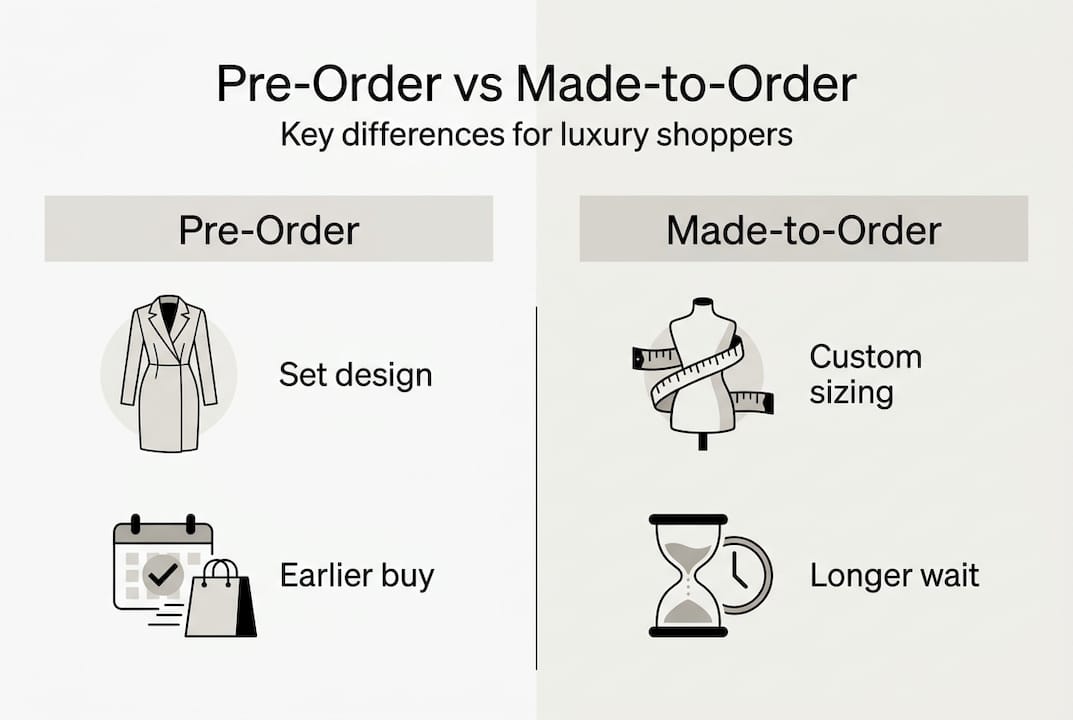
Made-to-order goes a step further. You place an order and then the item is created specifically for you, often with customization options. Pre-order differs from made-to-order in that pre-orders are for planned production from existing designs, while made-to-order items are often customized post-order. Both reduce waste, but made-to-order is more personal and typically commands a higher price.
See-now-buy-now is the opposite of waiting. Gucci’s see-now-buy-now model skips the pre-order window entirely, making items available for immediate purchase straight off the runway. It’s thrilling but competitive.
| Model | Timing | Customization | Exclusivity level |
|---|---|---|---|
| Pre-order | Weeks to months before shipping | None to minimal | High |
| Made-to-order | Months, post-customization | High | Very high |
| See-now-buy-now | Immediate | None | Moderate (first-come) |
Each model reflects a different philosophy around fashion innovation and consumer access. Pre-order sits in a sweet spot: you get exclusivity without the full wait or premium of made-to-order, and without the frantic scramble of see-now-buy-now.
Key differences at a glance:
- Pre-order: planned designs, early access, moderate wait
- Made-to-order: personalized creation, longer wait, premium pricing
- See-now-buy-now: instant gratification, no waiting, high competition
For pre-order vs waitlists comparisons, pre-orders give you a confirmed spot, while waitlists are speculative. That distinction alone makes pre-orders the stronger choice for serious collectors.
Why do luxury brands use pre-orders?
Luxury brands don’t adopt pre-orders out of convenience. There’s real strategic logic behind the model, and understanding it helps you see why the pieces you pre-order often hold their value better.
First, pre-orders minimize surplus production. Overstock is the enemy of luxury. When a brand produces 10,000 units of a bag and sells 6,000, the remaining inventory either gets discounted or destroyed. Neither outcome is good for brand equity. Pre-orders reduce overstock and markdowns by anchoring production to actual demand.
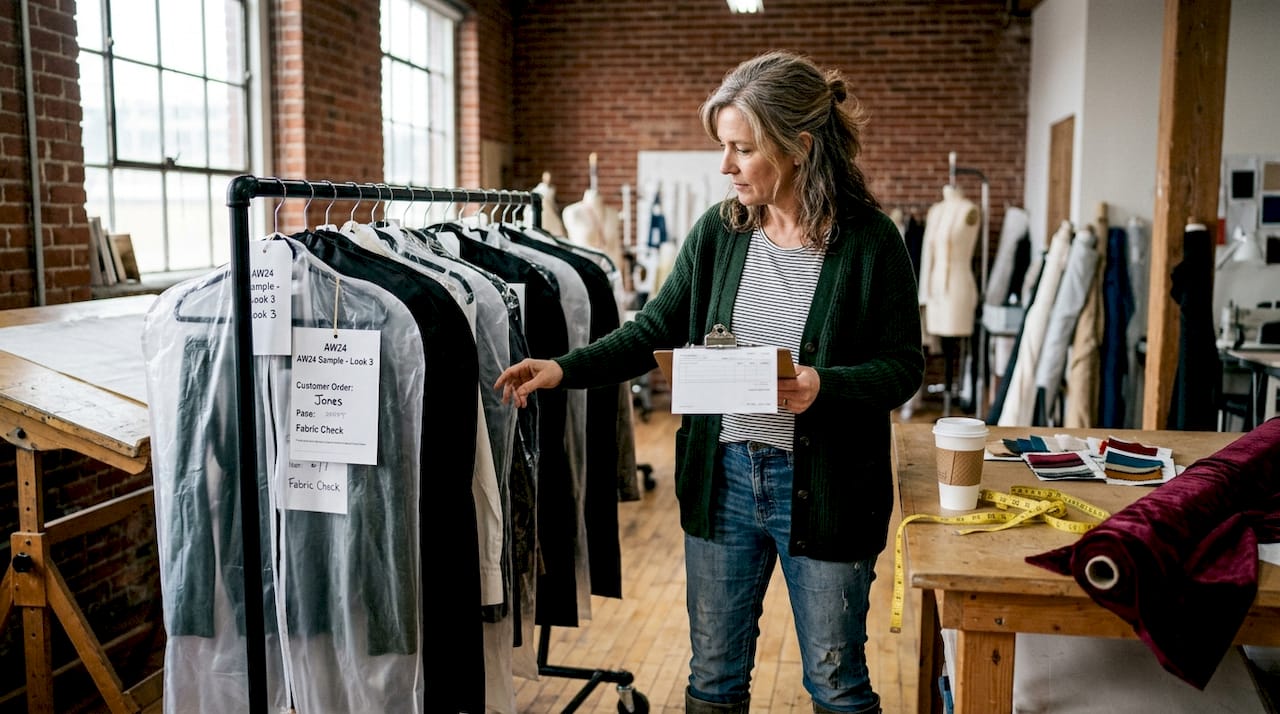
Second, pre-orders let brands test appetite for experimental styles. An avant-garde silhouette or an unusual material choice is a financial risk. Pre-order data tells a brand whether the market is ready before a single unit is produced at scale.
Third, the model supports conscious fashion benefits by reducing waste at the production level. Less overproduction means fewer resources consumed and less textile waste. For a brand like Balenciaga or Prada, this aligns with growing consumer expectations around environmental responsibility.
Pro Tip: When a brand opens pre-orders for an unusual or bold design, that’s often a signal it’s a genuine collector’s piece. Brands rarely test demand on safe bets.
For you as a shopper, this means pre-ordering isn’t just about getting something early. It’s about participating in a more intentional, less wasteful system. It also means the pieces you secure are more likely to retain their value, making pre-orders a smart move when refreshing your wardrobe with investment-grade additions.
Benefits and risks of pre-ordering exclusive collections
Pre-ordering is exciting, but it’s not without its complexities. Here’s an honest look at both sides.
The benefits:
- Early access to exclusive pieces before they sell out or reach the general public
- Guaranteed allocation on limited-edition items that would otherwise disappear in minutes
- Investment potential since pre-ordered pieces from major houses often appreciate in value
- Intentional shopping that encourages you to think carefully before committing
Limited-edition designer drops can sell out in minutes, and 61% of customers are willing to wait two to four weeks for a piece they genuinely want. Pre-orders give you that confirmed spot without the anxiety of a live drop.
For those serious about collecting designer pieces, pre-orders are often the only reliable path to owning certain items at retail price.
“The best pre-orders aren’t impulse decisions. They’re the result of knowing your style, understanding the brand, and recognizing a piece that will matter to your wardrobe for years.”
The risks:
- Delays. Production timelines can shift due to supply chain issues, material shortages, or quality control holds.
- Design changes. In rare cases, the final product may differ slightly from what was shown at announcement.
- Cancellations. While uncommon, brands occasionally cancel pre-orders if production targets aren’t met.
- Cash flow. Paying upfront ties up funds for weeks or months before you receive anything.
The pre-order pros and cons balance out favorably for most luxury shoppers, especially when you’re buying from established brands with transparent communication policies.
Tips to maximize your pre-order experience
Knowing the risks is only useful if you act on them. These strategies will help you pre-order with confidence.
- Research the brand’s track record. Has this brand fulfilled pre-orders on time before? Customer reviews and community forums are your best resource.
- Read the payment and cancellation policy carefully. Every brand handles this differently, and you need to know your options before committing.
- Prioritize investment pieces over trend-driven items. Trends can shift dramatically between the announcement and delivery dates. A classic silhouette or a signature accessory will always land well.
- Track your order actively. Don’t assume no news is good news. Follow up if you haven’t received updates within the expected window.
- Plan your styling in advance. Use resources like styling your pre-orders to think through how a new piece will integrate with what you already own.
Delays and stock-outs require proactive communication, and the average cancellation rate sits at 5.4%. That’s low, but it’s worth factoring in when you’re planning a seasonal wardrobe around a specific piece.
Pro Tip: Use outfit planning with pre-orders as a creative exercise. Mapping out how a pre-ordered piece will work across multiple looks makes the wait feel purposeful rather than passive.
The smartest pre-order shoppers treat each reservation like a wardrobe investment decision, not a spontaneous purchase. That mindset shift makes the entire experience more rewarding.
Find exclusive pre-order pieces and elevate your collection
You now have everything you need to approach pre-order fashion with clarity and confidence. The next step is finding the right pieces from brands and retailers that take the process seriously.
At Mara Formigone, we curate luxury and designer items with the discerning collector in mind. Whether you’re looking for a statement piece or a wardrobe staple from a house you love, our selection is built around exclusivity and quality. The Harmont&Blaine Polo pre-order is a strong example of how early access can secure a refined, investment-worthy piece before it’s gone. For those who prefer a more relaxed luxury aesthetic, the Lee sweatshirts collection offers curated options that blend comfort with considered design. Explore what’s available now and secure your next favorite piece before the rest of the world catches on.
Frequently asked questions
How long does it usually take to receive pre-order fashion items?
Most pre-orders are delivered within two to eight weeks, though exclusive designer drops can stretch to several months depending on production complexity.
Can I cancel my pre-order if I change my mind?
Most luxury brands allow cancellations, but policies vary widely. The average cancellation rate sits at 5.4%, so always review the terms before placing your order.
Is pre-ordering better for investment pieces or trendy items?
Pre-ordering works best for investment pieces and exclusive launches since trends can shift significantly between announcement and delivery.
What is the difference between pre-order and made-to-order?
Pre-orders reserve planned items before production begins, while made-to-order means customization happens after your order is placed, typically at a higher price point and with a longer wait.
What happens if a limited-edition pre-order sells out?
Once the allotment is filled, limited editions rarely restock, so acting quickly on high-demand pieces is essential.