

Ever opened your closet and felt that pang of worry, wondering if your favorite designer bag is safe from the next season's wear and tear?
You're not alone—most women who love luxury fashion treat their handbags like prized companions, yet the storage game often feels like a mystery.
In this intro, I'm going to share why getting the basics right can keep your investment looking runway‑ready for years, and trust me, the difference is worth the effort.
Think about the last time you tossed a Chanel tote on a crowded shelf and later discovered a faint crease or a stubborn dust spot. That little frustration? It’s totally avoidable.
What we’ve seen work best at Mara Formigone is a mix of simple habits and a few smart tools that protect the leather, the hardware, and the shape of each piece.
First, imagine your bag breathing—just like you need fresh air after a long day. Storing it in a breathable dust bag, not a plastic zip‑lock, prevents moisture buildup and keeps the leather from feeling suffocated.
Second, consider shape. Using a padded hanger or a hollowed‑out tissue box helps preserve those iconic silhouettes, so you never have to fight a misshapen shoulder strap again.
And don’t forget the little things: a silica gel packet tucked into the bag’s interior can whisk away humidity, while a soft, lint‑free cloth gives a gentle pat‑down before you tuck it away.
So, how to store luxury handbags becomes less about fancy gadgets and more about consistent, thoughtful care that respects the craftsmanship.
Picture this: you pull out a pristine, crease‑free bag for a night out, and everyone asks, “Where did you get that?” You smile, knowing the secret is simply a routine you’ve mastered.
Ready to dive deeper? We'll walk through step‑by‑step storage methods, from daily closet organization to long‑term travel tips, so you can keep every stitch and logo looking flawless.
Let’s get started and make sure your collection stays as timeless as the designs themselves.
TL;DR
Storing luxury handbags properly means using breathable dust bags, shape‑preserving hangers or boxes, and moisture‑absorbing silica packets to keep leather, hardware, and silhouettes flawless for years.
Follow our simple, daily routine and occasional travel tips so every bag feels runway‑ready every time you reach for it, preserving its value and your confidence.
Step 1: Assess Your Handbag Collection
First thing’s first: open your closet, pull out every designer bag, and take a deep breath. You’ve probably felt that little knot in your stomach wondering if any of them have hidden damage. We’ve all been there.
Now, lay them out on a clean surface—think a soft rug or a large coffee table—and let each piece speak to you. What’s the first thing you notice? A scuff on a Louis Vuitton canvas? A stubborn crease on a silk‑lined Chanel? Those details are clues about how you’ve been storing them.
Take inventory
Grab a notebook or a notes app and jot down three things for each bag: the brand, the material (leather, patent, canvas, etc.), and its current condition. A quick checklist works wonders:
- Is the hardware tarnished or loose?
- Any signs of moisture or mold?
- Does the shape still hold its silhouette?
Seeing everything on paper turns a chaotic closet into a clear roadmap.
Sort by material and season
Group bags that share the same material—leather, suede, patent, straw. Within each group, order them by how often you wear them. Your go‑to tote for work belongs in the “daily” pile, while that limited‑edition clutch can sit in a “special occasion” bin.
Why does this matter? Different materials breathe differently. Leather loves a little air, while patent thrives in a dust‑bag that prevents scratches. By sorting, you’ll know which storage tools each group needs.
Spot the problem bags
Look for the red flags you noted earlier. A bag with a faint odor might be storing moisture—time to add a silica packet. A bag with a bent strap could use a shape‑preserving hanger.
Ask yourself: "Is this something I can fix at home, or does it need a professional touch?" In our experience, a quick wipe with a leather conditioner can revive a dry edge, but deep cracks often require a specialist.
Once you’ve flagged the troublemakers, you’ve got a prioritized to‑do list. It feels good to turn anxiety into action, doesn’t it?
Ready to see a visual walkthrough? Below is a short video that walks through a real‑world inventory session, showing exactly how we lay out bags, note details, and decide on storage solutions.
Take a moment after the video to replicate the process with your own collection. The more specific you get, the easier it becomes to match each bag with its perfect home.

Now that you’ve catalogued everything, you’ll notice patterns—maybe a surplus of tote bags that need occasional reshaping, or a handful of delicate evening clutches that deserve extra protection. Those insights set the stage for the next steps: choosing the right dust bags, hangers, and humidity controls.
Remember, assessing isn’t a one‑time chore; it’s a quick quarterly habit. A five‑minute check every few months catches issues before they become expensive repairs. And the best part? You’ll walk away feeling confident that every piece in your collection is cared for, ready to shine whenever you reach for it.
Step 2: Choose Ideal Storage Solutions
Now that you’ve inventoried every piece and know which ones need a little extra love, it’s time to pick the home they’ll live in when they’re not on your arm. Think of it like finding the perfect roommate – you want something that respects their personality, keeps them comfortable, and doesn’t steal the spotlight.
Start with the basics: breathable dust bags
For leather, suede, or crocodile pieces, a cotton or muslin dust bag is non‑negotiable. It lets the bag breathe while shielding it from dust, sunlight, and accidental spills. Avoid any plastic zip‑locks; they trap humidity and can cause mold to bloom.
We like to tuck a small silica gel packet inside each bag – it’s the cheap hero that silently sips excess moisture. Swap the packet every few months, or whenever it changes color, and you’ll keep the interior dry without ever opening the bag.
Shape‑preserving hangers and boxes
Structured bags (think Chanel Classic Flap or a hard‑bottom tote) thrive in a hollowed‑out tissue box or a padded hanger that supports the base and straps. The goal is to keep the silhouette upright, not to let gravity turn the bag into a pancake.
If you have a collection of smaller clutches, consider stackable, clear‑lid boxes with a divider. You can see each piece at a glance, and the rigid walls prevent them from rubbing against each other.
Control the climate
Humidity is the silent enemy of luxury handbags. When the air sits at 60 % or higher, leather can swell, suede can darken, and metal hardware can rust. A dehumidifier set to maintain 40‑50 % relative humidity is worth the modest investment.
Need a quick reference? Check out some expert humid‑weather storage tips that walk you through using silica packets, climate‑controlled closets, and proper ventilation.
Creating a dedicated storage zone
Pick a spot in your closet that isn’t right next to the heating vent or the window that gets direct sun. A shelf with adjustable height works wonders because you can customize the space for tall totes and short cross‑body bags alike.
Line the shelf with a soft, lint‑free fabric – think a clean cotton sheet or a microfiber mat. It adds a cushion, catches any stray dust, and makes the whole area look boutique‑ready.
Travel‑ready solutions
When you need to stash a bag for a weekend getaway, choose a sturdy, zip‑up travel case that includes a breathable interior compartment. Many cases come with built‑in silica packets; if yours doesn’t, pop one in yourself.
Before you zip it shut, give the bag a quick wipe with a dry cloth, then wrap it loosely in its original dust bag. This double‑layer approach protects against both rough handling and sudden humidity spikes in hotel rooms.
Finally, make a habit of rotating your collection every few months. Pull each bag out, give it a brief air‑out, and check for any signs of mold, creasing, or hardware tarnish. A quick conditioning touch on leather pieces will keep them supple and ready for the next outing.
By choosing the right storage accessories – breathable bags, shape‑supporting hangers, climate control tools, and travel‑friendly cases – you create a safe haven for every luxury handbag. The result? A wardrobe that stays runway‑ready, no matter how many seasons pass.
Step 3: Organize by Material & Season
Okay, you’ve taken inventory and you’ve got the right dust bags and hangers. Now comes the part that actually makes your closet feel like a designer showroom: grouping each piece by what it’s made of and when you’ll actually reach for it. It sounds simple, but trust me, a little strategy here saves you countless creases, humidity woes, and the dreaded “where did I put that bag?” panic.
First, pause for a second and think about the last time you grabbed a suede clutch in the middle of a rainy summer. Did it darken? Did the hardware rust? If you’re nodding, you’re already feeling the why behind this step.
Why material matters
Leather, suede, patent, canvas, and exotic skins each have a personality. Leather loves a little air and occasional conditioning, suede hates moisture, patent thrives in low‑humidity, and canvas is practically a trooper but still appreciates shape support. When you store them with the wrong companions, you’re basically forcing a marathon runner into a yoga pose – uncomfortable and potentially damaging.
Here’s a quick snapshot:
| Material | Ideal Storage Home | Seasonal Tip |
|---|---|---|
| Full‑grain leather | Cotton dust bag + silica packet; hang on padded hanger | Condition in autumn before winter dryness hits |
| Suede / nubuck | Breathable muslin bag; store in climate‑controlled box | Swap to a cooler, drier space in summer; use a dehumidifier |
| Patent leather | Clear, non‑plastic cover; keep away from direct sun | Wrap in a soft cloth during high‑humidity months |
| Canvas / nylon | Rigid box with dividers; keep shape with tissue filler | Rotate out of sight in winter to avoid dust buildup |
Notice how each row pairs a material with a storage method and a seasonal tweak? That’s the cheat sheet you’ll refer to each time you add a new bag to your collection.
Seasonal rotation – the 4‑quarter dance
Think of your closet like a wardrobe calendar. In spring, lighter fabrics like raffia and pastel canvas bloom. Summer brings heat and humidity, so you want to protect colors from fading – a quick dust‑bag swap and a silica packet do wonders. Autumn is the perfect time to deep‑condition leather before the cold makes it stiff. Winter? Keep heavy, water‑resistant pieces (think croc‑skin or coated leather) in a temperature‑stable closet, away from radiators.
Real‑world example: Maya, a 29‑year‑old designer‑brand enthusiast, groups her Louis Vuitton Neverfull (canvas) with her summer tote box, while her Gucci GG Marmont (suede) lives in a climate‑controlled drawer with a silica packet. When the season flips, she simply swaps the boxes – no guesswork, no accidental exposure.
And if you’re wondering how often to rotate, aim for every three months. That aligns with the natural climate shifts in most temperate zones and gives you a chance to air out each bag, check for humidity, and give leather a quick conditioning once a season.
Actionable checklist
- Label three storage zones in your closet: Leather & Exotic, Suede & Nubuck, Canvas & Patent.
- Place a silica packet inside every dust bag. Replace when the indicator color changes.
- Use padded hangers for structured leather bags; stack flat‑bottomed canvas bags in clear boxes with tissue filler.
- Mark each box with the intended season (Spring, Summer, Autumn, Winter). Add a sticky‑note reminder to rotate.
- Every quarter, pull each bag out, give it a gentle wipe, and if it’s leather, apply a light conditioner (see How to Clean a Leather Handbag at Home for the prep steps).
That list feels doable, right? It’s basically a 5‑minute habit that protects years of investment.
Need a bit more science? Luxury Lifestyle Magazine points out that “seasonal maintenance practices” like deep‑conditioning in autumn and protecting against summer humidity can extend a bag’s life by up to 30 % (seasonal bag care guide).
And here’s a tiny detail many overlook: the closet’s micro‑climate. If you live in a coastal city, the winter air can be damp. Store your suede in a sealed box with a fresh silica packet, then place the box on a shelf that isn’t directly against an exterior wall. Little adjustments like that make a huge difference.
Finally, let’s talk about the space where you actually keep these treasures. Upscale homes often feature walk‑in closets with built‑in climate control. If you’re dreaming of that kind of setup, you might also be interested in how a well‑designed home can enhance your storage game. Check out this guide on buying luxury villas for ideas on designing a perfect closet sanctuary: A Complete Guide to Buying Villas for Sale Marbella.
Remember, the goal isn’t just to stash bags – it’s to create a living archive that feels as polished as the pieces themselves. When you walk into your closet and see each bag neatly grouped by material and season, you’ll instantly feel that “I’ve got this” confidence.
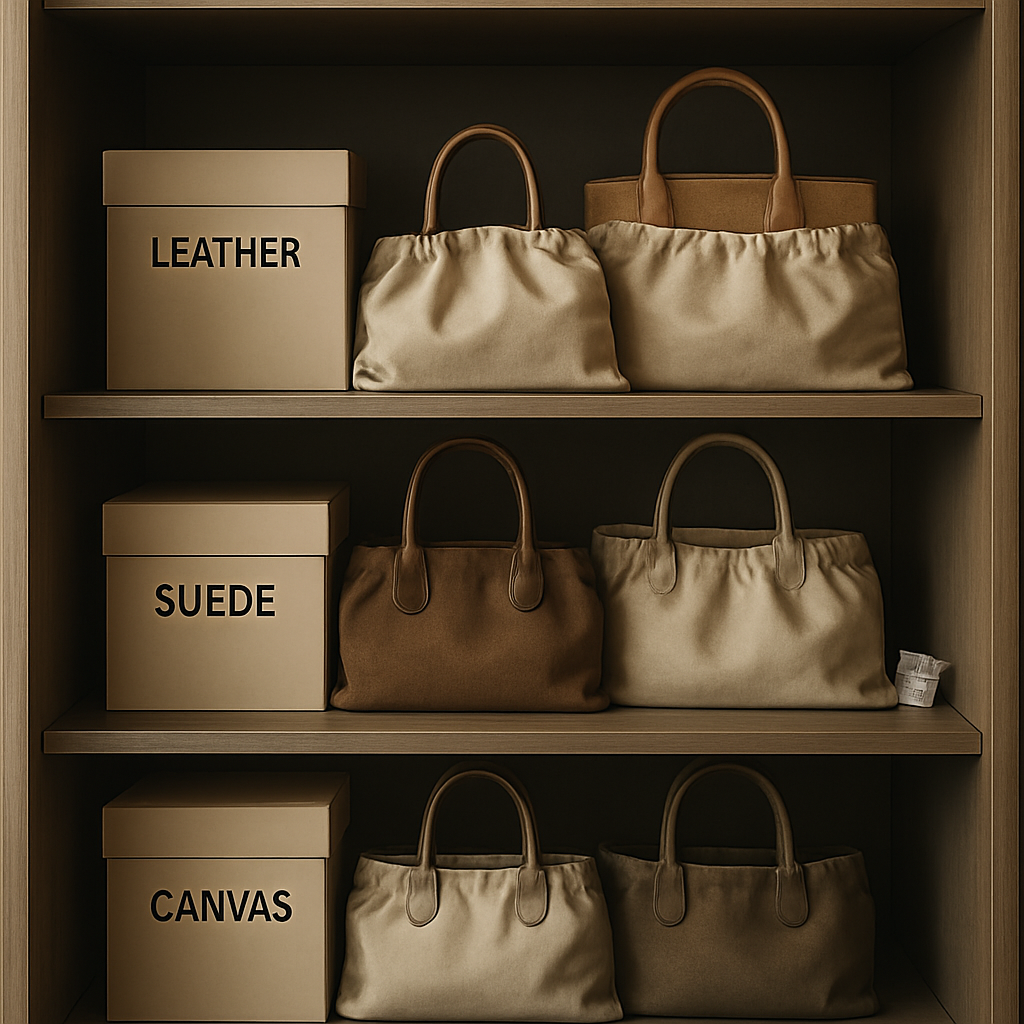
Step 4: Protect from Light, Dust & Humidity
We've already sorted by material and season, so now it's time to think about the invisible enemies that can ruin a bag while it's sitting pretty.
Light: the silent fading agent
Sunlight looks lovely, but UV rays are a nightmare for leather, suede and patent finishes. Even a few minutes of direct sun each morning can dull colour and dry out the fibers.
What I always do is position my dust bags on a shelf that faces away from windows, or drape a thin, linen curtain over the area. If you love to admire your collection, consider a low‑watt LED light with a UV filter – it gives you illumination without the damage.
Does that sound like extra effort? Think of it as a quick habit that saves you a costly restoration later.
Dust: more than just a nuisance
Dust settles like a thin film, and over time it can embed into leather pores, making the surface look dull. The trick is to let each bag breathe while still keeping it sealed from particles.
Store every piece in its original cotton dust bag, and tuck a fresh silica packet inside. A breathable bag lets air circulate, while the packet soaks up any stray moisture that could trap dust.
Chase Amie recommends storing bags upright whenever possible – it prevents dust from gathering in the seams and keeps straps from getting squished her detailed guide on luxury bag care.
Humidity: the hidden culprit
In coastal cities, humidity can swing dramatically. When the air sits at 60 % or higher, leather swells, suede darkens, and metal hardware starts to oxidise.
Here’s a quick checklist you can keep on your closet door:
- Place a silica gel packet in every dust bag; replace when the indicator colour fades.
- Run a small dehumidifier in the closet during rainy seasons, aiming for 40‑50 % relative humidity.
- Store boxes or drawers away from exterior walls – cold concrete can leak moisture into the space.
For a deeper dive on moisture control, Purse Bling outlines how mold and mildew thrive in damp environments and why silica packets are essential their moisture‑control guide. Their tip to line shelves with a thin sheet of cork adds an extra barrier between the bag and any stray dampness.
Quick daily habit
Every time you take a bag out, give it a brief wipe with a lint‑free microfiber cloth. Then, let it sit uncovered for a minute or two before returning it to its bag. This simple air‑out prevents any lingering humidity from building up.
And if you notice a faint musty smell, swap the silica packet immediately – that scent is a warning sign that moisture is creeping in.
Seasonal rotation reminder
When the seasons change, pull each bag out, check the silica packet, and give the leather a light conditioning if it feels a little dry. A quick spritz of a leather‑safe protector can also help seal the surface against summer humidity.
So, what’s the bottom line? Light, dust, and humidity are three tiny forces that, left unchecked, can turn a treasured investment into a tired relic. By keeping bags out of direct sun, using breathable dust bags with silica packets, and monitoring humidity with a dehumidifier or simple silica tricks, you create a micro‑climate that lets each handbag stay runway‑ready year after year.
Ready to put this plan into action? Grab a few silica packets, sweep a shelf away from the window, and give your collection the quiet, controlled sanctuary it deserves.
Step 5: Maintenance & Rotation Routine
Now that your bags have a home, the real secret is keeping that home tidy.
Daily breath‑check
Every time you pull a bag out, give it a quick once‑over with a lint‑free microfiber cloth. A light swipe removes dust that can settle into leather pores.
Then set the bag on a clean surface, uncovered, for a minute or two. That short air‑out lets any hidden humidity escape before the bag goes back into its dust bag.
Weekly “silica swap”
Silica packets are tiny heroes, but they lose their bite. Once a week, pop the packet out, give it a gentle shake, and replace it with a fresh one if the indicator colour has faded.
Because you’re already handling the bag, it’s the perfect moment to glance at the hardware – are any zippers sticking? A quick brush with a soft brush keeps metal from gathering grime.
Monthly deep‑condition
Pick a day each month to treat any leather pieces that feel a touch dry. A pea‑sized amount of a leather‑safe conditioner works wonders; let it soak in for a few minutes, then buff with a clean cloth.
If you own suede or nubuck, skip the liquid and use a suede brush to lift the nap. A light mist of a suede‑safe protectant can add a thin barrier against the next bout of humidity.
Quarterly rotation ritual
Every three months pull every bag from its slot, give it that same air‑out, and inspect for creases or color transfer. This is also the moment you swap seasonal zones – summer‑ready colors move to the front, autumn tones slide to the back.
In our experience, a simple label system (“Spring/ Summer”, “Fall/ Winter”) on each shelf cuts the guesswork. When the label says “Winter”, you know that bag is tucked away from direct heat and has been conditioned for colder, drier air.
Seasonal deep‑clean before storage
Before you stash a bag for six months or more, give it a thorough clean. That means removing any surface oils, salt residue (especially if you live near the coast), and checking for mold spots.
Artbag recommends a professional pre‑storage cleaning during the fall transition, when humidity is still manageable but you’re about to lock bags away for the holiday season. Their guide explains why a proper clean before storage can prevent months‑long mold growth fall fashion transition cleaning tips.
Documentation habit
Snap a quick photo of each bag before you put it back. Keep a digital log with purchase date, condition notes, and where you’ve placed it. If a bag ever needs insurance or repair, you’ll have a clear record.
Even a one‑line note like “silica packet replaced 09/2025” helps you stay on top of the routine without feeling overwhelmed.
Travel‑ready rotation
When a weekend getaway calls, pull the bag you’ll use from the rotation, wrap it loosely in its dust bag, and slip a fresh silica packet inside. Pack it in a hard‑sided travel case that breathes – no plastic zip‑locks.
After the trip, repeat the air‑out and silica swap before returning it to the main closet. This two‑step habit stops humidity spikes that often happen in hotel rooms.
Quick‑fix checklist
- Wipe with microfiber before storage.
- Air out uncovered for 60 seconds.
- Swap silica packet if its colour has faded.
- Condition leather once a month.
- Rotate every 90 days and relabel seasonal zones.
- Document condition with a photo.
- Use a breathable travel case for trips.
Remember, consistency beats perfection; a few minutes each week keep your bags looking like new.
Stick to this rhythm and you’ll watch your collection stay runway‑ready year after year. It’s not a chore – it’s a small, satisfying ritual that protects the pieces you love.
Conclusion
We’ve walked through every step of how to store luxury handbags so you can keep those runway‑ready pieces looking fresh for years.
Think back to the moment you first opened your closet and felt that pang of worry. Now imagine the confidence of pulling out a pristine bag, knowing it’s been cared for with the same attention you’d give a favorite outfit.
The core ideas are simple: breathe easy with cotton dust bags, protect shape with padded hangers or boxes, and tame humidity with silica packets or a modest dehumidifier. Rotate seasonally, give each bag a quick air‑out, and document the condition with a photo.
So, what’s the next move? Pick one bag you haven’t touched in a while, wipe it down, swap in a fresh silica packet, and slide it back into its breathable bag. Set a reminder for the next 90‑day rotation – it’s a tiny habit that pays off big time.
In our experience at Mara Formigone, customers who adopt this rhythm report fewer creases, brighter colors, and a resale value that stays strong. You don’t need a fancy closet; you just need consistency and a bit of love.
Ready to make the ritual part of your weekly routine? Your collection will thank you, and you’ll walk away feeling like you’ve unlocked a secret to timeless style.
FAQ
How often should I rotate my luxury handbags?
We recommend pulling each bag out of storage at least once every 90 days. A quick air‑out and visual check lets you spot early signs of creasing, moisture or hardware wear before they become permanent. During the rotation, give the leather a gentle wipe, swap the silica packet if needed, and then place the bag back in its breathable dust bag. This habit keeps the collection feeling fresh all year long.
What’s the best way to protect my handbags from humidity?
Humidity is the silent enemy of leather and suede. Keep a small silica gel packet tucked inside every dust bag – the packet absorbs excess moisture without restricting airflow. Aim for a closet humidity level of 40‑50 %; a compact dehumidifier works wonders in rainy climates. If the packet’s indicator color fades, replace it immediately. A dry environment prevents swelling, darkening, and metal oxidation.
Can I store my bags in a regular closet or do I need a climate‑controlled space?
A regular closet works fine as long as you control temperature swings and keep the space away from direct sunlight or heating vents. Add a breathable cotton dust bag for each piece, line shelves with a soft fabric, and use a portable dehumidifier in humid seasons. If you live in an extreme climate—very hot, very cold, or constantly damp—a climate‑controlled wardrobe or a climate‑proof cabinet offers extra peace of mind.
How do I choose the right dust bag for different materials?
Leather, suede and exotic skins love cotton or muslin dust bags; the natural fibers let the material breathe while shielding it from dust. Patent leather prefers a thin, non‑plastic cover that still allows air flow, and structured canvas bags do well in a clear, rigid box with a soft lining. The key is to avoid airtight plastic zip‑locks, which trap moisture and can lead to mold.
Should I use silica packets, and how do I know when to replace them?
Yes, silica packets are a cheap, effective way to control humidity. Most packets have a color‑changing indicator—usually from blue to pink—showing they’re saturated. When the color fades, swap the packet for a fresh one. Keeping a small stock on hand ensures you never run out, and a quick visual check during your quarterly rotation makes the replacement process painless.
What’s a quick daily habit that keeps my handbags runway‑ready?
Each time you pull a bag out, give it a 30‑second swipe with a lint‑free microfiber cloth. Then let it sit uncovered for a minute to release any trapped moisture. Finally, return it to its dust bag and double‑check that the silica packet is still active. This tiny ritual takes less than two minutes but dramatically reduces dust buildup and helps the leather stay supple.
Do I need special storage for bags with hardware or metal accents?
Bags with delicate hardware benefit from extra cushioning. Slip a soft cloth or a small piece of felt between the metal parts and the dust bag to prevent scratching. Store the bag upright so zippers and clasps aren’t compressed, and keep the silica packet away from direct contact with metal to avoid corrosion. A quick inspection of the hardware during your quarterly rotation lets you catch any early tarnish and address it with a gentle polish.