
When you think of the best designer brands for women, names like Chanel, Hermès, and Dior likely come to mind—the titans of timeless style. But then you have the modern powerhouses like Loewe and Bottega Veneta that set the trends we see everywhere. The truth is, the "best" brand isn't a single name; it's the one that feels like it was made for you and your life.
Your Guide to the World of Luxury Fashion
Diving into designer fashion can feel a little intimidating at first, like walking into a museum filled with priceless art. But it's not just about the price tag. Each piece is a story of creativity, history, and incredible craftsmanship, offering a unique way to express who you are.
Whether you're about to make your very first investment purchase or you're a seasoned collector looking for the next perfect addition, this journey is about finding things you truly love. We’ll help you figure out your personal style and see what separates the classic, old-guard houses from the modern designers shaking things up.
Understanding the Landscape of Luxury
The appeal of luxury fashion isn't just a feeling—it's a massive global force. The luxury fashion market hit a staggering value of about USD 253.25 billion in 2024, and women are leading the charge, making up 42.2% of that market. This isn't just about shopping; it's about a real appreciation for quality and a powerful economic influence.
Think of this guide as your personal roadmap. It’s here to help you build a wardrobe that’s less about quantity and more about quality, filled with pieces that genuinely reflect you. The goal is to feel confident and excited about every purchase you make.
"A great wardrobe is not about a lot of clothes. It's about the right clothes. It’s about pieces that make you feel like the best version of yourself, every single time you wear them."
Building a Wardrobe with Intention
Before we start naming names, let's break down the different kinds of brands out there. Knowing these categories will make it so much easier to find exactly what you're looking for.
To make this simple, I've put together a quick table that breaks down the main types of designer brands you'll encounter.
Quick Guide to Designer Brand Categories
A summary of the different types of designer brands covered in this guide to help you find the perfect match for your style.
| Category | Best For | Key Characteristics | Example Brands |
|---|---|---|---|
| Timeless Heritage | Investment pieces, classic style, long-term value | Iconic, seasonless designs, rich history, impeccable craftsmanship | Chanel, Hermès, Dior |
| Modern & Trend-Forward | "It" items, contemporary edge, expressing current style | Innovative silhouettes, fresh perspectives, cultural relevance | Loewe, Jacquemus, Bottega Veneta |
| Workwear Specialists | Polished office attire, sophisticated everyday wear | Tailored separates, luxurious fabrics, functional elegance | The Row, Max Mara, Brunello Cucinelli |
| Occasion & Bridal | Black-tie events, weddings, special celebrations | Couture-level detail, dramatic designs, show-stopping glamour | Oscar de la Renta, Elie Saab, Monique Lhuillier |
| Accessories Specialists | Statement bags, investment shoes, iconic jewelry | Mastery of a single category, signature hardware, high resale value | Christian Louboutin, Manolo Blahnik, Jimmy Choo |
Hopefully, this little cheat sheet gives you a clearer picture of where to start your search. Now, let's explore some of these categories in more detail.
- Timeless Heritage Brands: These are the pillars of the fashion world. Think of Chanel’s tweed jackets or Dior's structured bar jacket—they never go out of style.
- Modern and Contemporary Designers: These are the brands defining what’s cool right now. They’re all about fresh ideas and creating the next "it" bag or shoe.
- Accessories Specialists: Some brands are legendary for doing one thing exceptionally well. They are the absolute go-to for investment pieces you’ll treasure forever. If you're looking to start with shoes, this list of the 7 Best Comfortable Designer Shoes for Women is a fantastic resource.
Getting a handle on these differences helps you shop with a real strategy. To learn even more, take a look at our full guide to luxury fashion for women. It’ll give you the foundation you need to make choices that are not just beautiful, but also smart and perfect for your lifestyle.
How to Define Your Personal Style Profile
Before you even think about browsing designer brands, the very first step—and honestly, the most important one—is to get a handle on your own personal style. Think of it like curating an art collection. Each piece you add to your wardrobe should feel intentional, telling a piece of your story and making you feel incredible.
This isn't about squeezing yourself into a neat little box labeled "classic" or "bohemian." It's about crafting a unique blueprint that will guide every single one of your luxury investments. When you have this blueprint, you ensure every designer piece you buy is a true asset, not just a passing fancy.
Uncovering Your Style DNA
Start with a simple audit of your own closet. What are the clothes you wear on repeat? Pull them out. Is there a common thread running through them—a favorite color, a go-to silhouette, a texture you can't get enough of? These are the first clues to unlocking your authentic style.
Next, get real about your daily life. The perfect wardrobe for a creative director in a fast-paced city is going to look completely different from one for a lawyer in a more corporate setting. Your career, your weekend plans, your social calendar—all of these things dictate which pieces will actually serve you well and bring you joy. Answering these questions builds a practical foundation for how you shop.
Your personal style is your visual signature. It's the silent story you tell the world before you even speak. Defining it is the first step toward building a wardrobe that is both beautiful and intelligent.
This decision tree can help you see whether your gut instincts pull you toward the established, heritage brands or the more modern, contemporary designers.
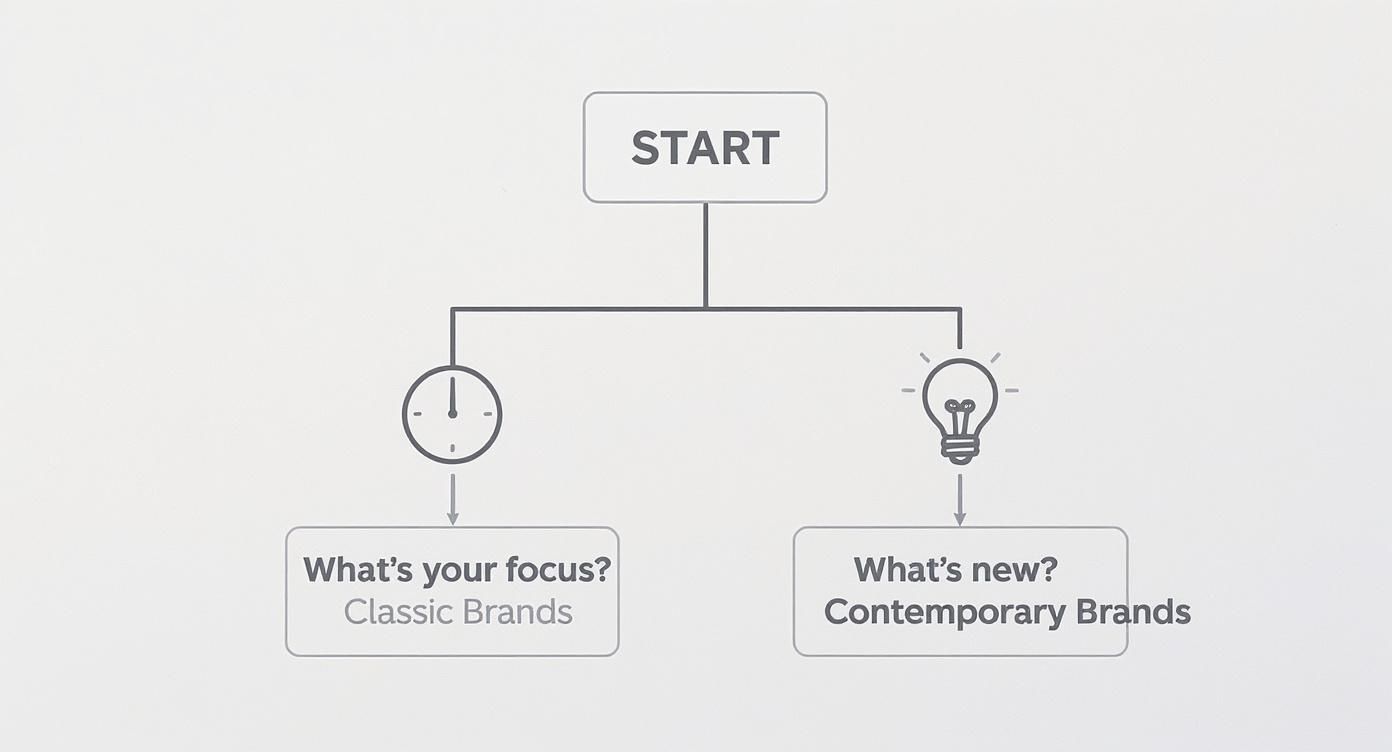
As you can see, a preference for timeless, heirloom-quality pieces often points you toward the heritage houses. On the flip side, a love for innovation and trend-forward design usually leads to contemporary labels. It's a simple distinction, but it's a powerful way to start narrowing down your options.
Building Your Personal Style Blueprint
Once you've gathered those initial insights, it's time to bring your vision to life. Creating a mood board—whether physical or digital—is one of the most effective ways to solidify your aesthetic. Pull images that speak to you from magazines, Pinterest, Instagram, even art and film. Don't censor yourself; just collect what you instinctively love.
Let it sit for a week, then come back and look for the patterns. You'll likely see a few themes emerge:
- Recurring Colors: Are you consistently drawn to warm neutrals, vibrant jewel tones, or soft pastels?
- Dominant Silhouettes: Do you gravitate toward sharp, structured tailoring, or do you prefer flowy dresses and relaxed fits?
- Key Textures: Is your board a sea of sleek leather, cozy cashmere, or crisp cotton?
- Overall Mood: Does the collection of images feel polished and powerful, artistic and eclectic, or minimalist and calm?
This exercise is fantastic for turning a vague feeling into a concrete list of style elements. The final step is to create a checklist of key pieces that fit this vision, which becomes your roadmap for making smart, confident luxury purchases. Remember to consider every detail, from your handbag down to finding the best designer eyeglasses for your face.
By taking the time to define your style profile first, you're empowering yourself to invest in pieces you'll truly cherish for years, building a collection that's lasting and uniquely you.
Investing in Timeless Heritage Brands
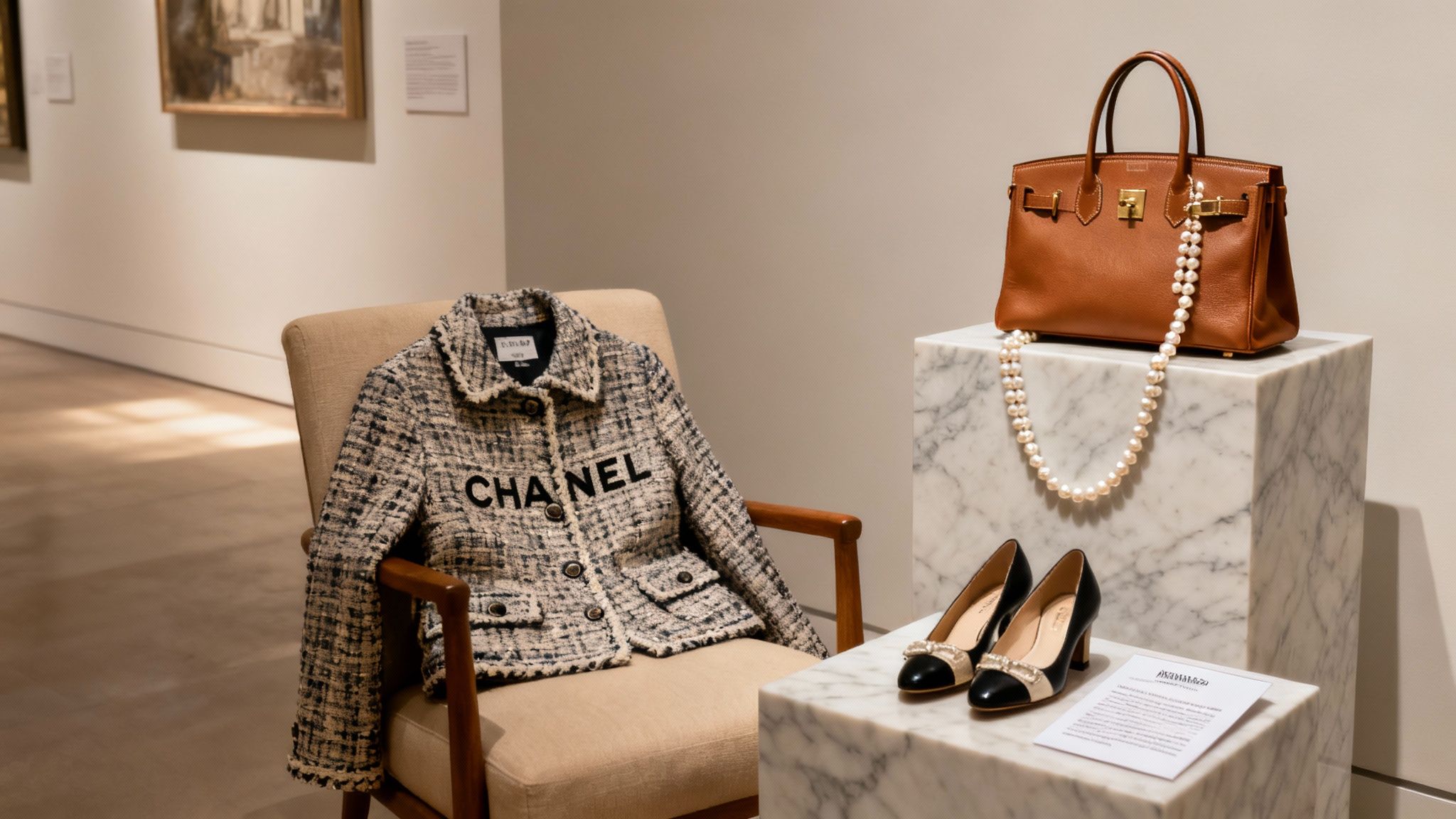
Some names in fashion don't just define a season; they define entire eras of style. These are the heritage brands, the legendary houses that have become the gold standard for luxury. When you buy a piece from one of these institutions, you're not just getting a beautiful item—you're acquiring a little piece of fashion history.
Think of houses like Chanel, Hermès, and Dior. They aren’t just labels; they're pillars of craftsmanship and enduring elegance. This is the world for the woman who wants to build a legacy wardrobe, filled with pieces that are not only stunning but are also genuine investments that can appreciate in value over time.
These brands represent the absolute pinnacle of quality. Their global influence is immense, and women are a powerful force in this market. In 2022, women made up 54% of luxury goods buyers in China—one of the world's biggest luxury markets—and were behind 60% of the high-spending purchases. It’s no surprise that the most valuable luxury brand is still Louis Vuitton, valued at roughly $124.27 billion, which shows the sheer power these heritage houses command. You can see more stats in this insightful luxury industry report.
The Icons and Their Signatures
Every heritage brand has its own story and a set of signature codes that make its work instantly recognizable. Getting to know these details is the key to truly appreciating their value and finding the perfect piece for your own collection.
Take Chanel, for example. The name itself is synonymous with Parisian chic. The brand’s entire identity is built on a foundation of iconic designs that have been coveted for decades.
-
Chanel: The tweed jacket, the 2.55 flap bag, and the two-tone slingback shoe are so much more than products; they are symbols of feminine empowerment and effortless sophistication. A Chanel piece whispers polished, timeless grace.
-
Hermès: This house is the ultimate symbol of quiet luxury and unmatched craftsmanship. The Hermès name is built on exclusivity and perfection, which you can see most clearly in its legendary leather goods. The Birkin and Kelly bags are true icons, often considered better investments than stocks, with waiting lists that only add to their allure.
Owning a piece from a heritage brand is a commitment to quality over quantity. It’s an understanding that true style doesn’t shout; it whispers, with impeccable tailoring, luxurious materials, and a design that will feel just as relevant in twenty years as it does today.
What Makes Them a True Investment
Beyond the beautiful designs, the investment value comes from an unwavering commitment to quality and carefully managed scarcity. These are not fast-fashion items meant to be discarded after a season. They are heirlooms, crafted by artisans who have passed down their skills through generations.
The materials are the finest in the world, the construction is flawless, and the designs are intentionally classic to outlast fleeting trends. This is precisely why a vintage Chanel flap bag or a pre-loved Hermès scarf can often sell for more than its original price. They hold their value because their quality and style are simply perpetual. Our guide on fashion heritage and luxury design dives deeper into what makes these pieces so special.
Choosing a piece from a heritage brand is the ultimate long-term wardrobe strategy. It’s about building a collection of items that you will not only wear and love for a lifetime but could also pass down as a treasured heirloom, carrying its story and style forward. These are the best designer brands for women seeking permanence in their fashion choices.
Exploring Modern and Contemporary Designers
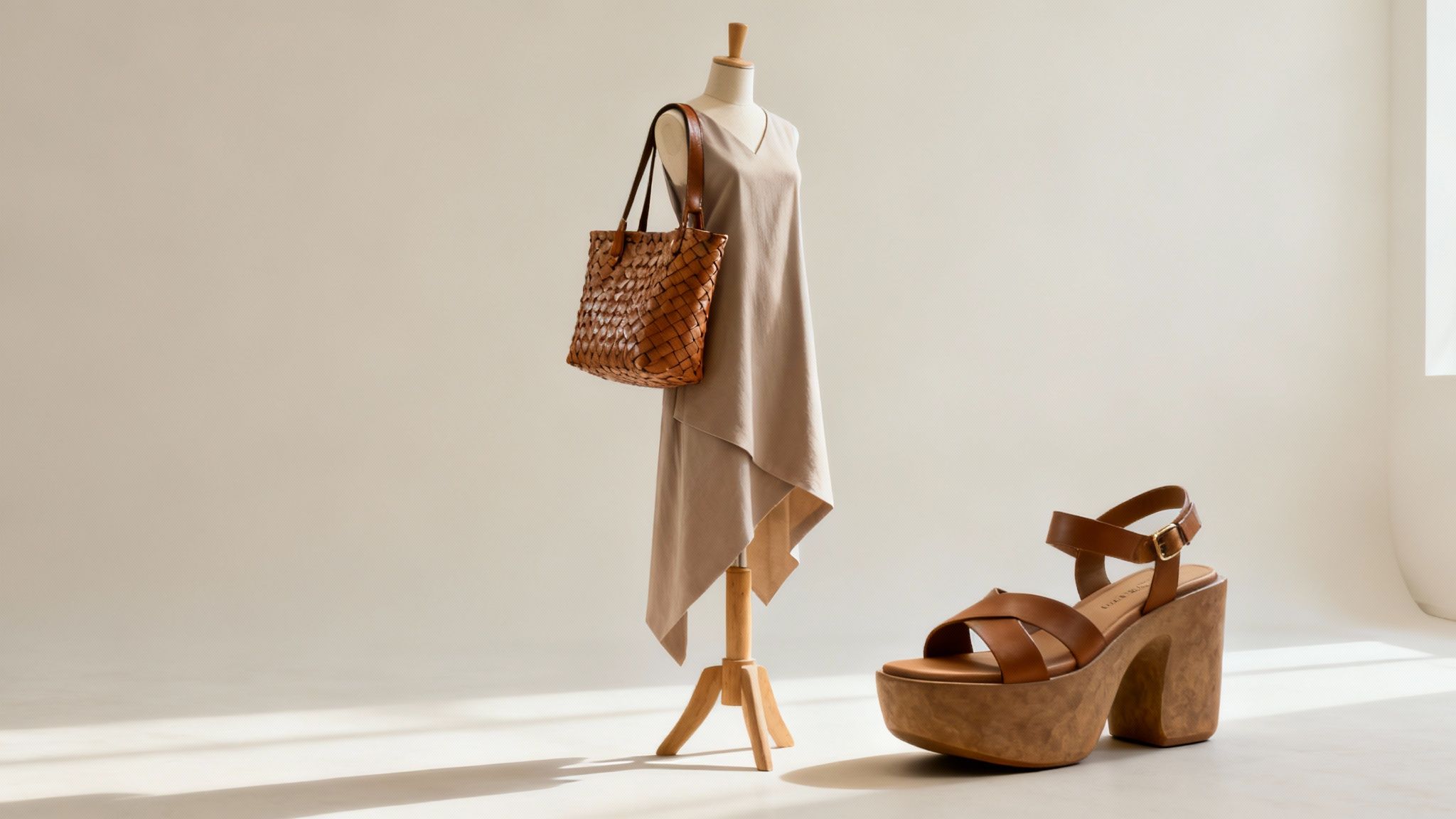
While the heritage houses give us that sense of timeless security, the real thrill often comes from modern and contemporary designers. These are the brands that are truly shaping what fashion looks like today. They're the ones driving the conversation, creating the "it" items everyone is talking about, and capturing the energy of the moment.
This is where you'll find the rule-breakers. Think of brands like Loewe, Bottega Veneta, and Jacquemus. They've earned cult-like followings by creating their own unique visual languages that are instantly recognizable. They don't just make clothes; they offer a strong, distinct point of view.
The New Icons Defining Modern Style
At the forefront are a handful of designers who have either brilliantly reinvented legacy brands or built new empires from scratch. Their work is the perfect mix of artistic flair and commercial savvy, resulting in pieces that are both critically adored and sell out instantly. This modern wave is a powerful force, especially in Europe, which commanded a 34.24% share of the luxury apparel market back in 2022. It's a market consistently dominated by women's fashion, showing just how much cultural weight is placed on premier women's designers. You can learn more about the trends shaping today's fashion market and see how these dynamics play out.
Each of these modern icons has a signature that sets them apart:
- Bottega Veneta: Under the brilliant direction of Matthieu Blazy, the brand's classic Intrecciato weave has been blown up to dramatic, oversized proportions on bags like the Cassette and the Jodie. It’s a masterful blend of quiet luxury and bold design—a look that feels both classic and completely of the moment.
- Loewe: Jonathan Anderson has turned Loewe into a playground of surreal, art-infused fashion. Whether it’s the viral anthurium-adorned tops or the brilliantly engineered Puzzle bag, every piece feels like a little sculpture. It's fashion for women who see their wardrobe as a form of creative expression.
- Jacquemus: Simon Porte Jacquemus is all about playful proportions and a sun-drenched, South-of-France vibe. His designs are pure joy. His tiny handbags, like the famous Le Chiquito, became a global sensation, proving that a little bit of fun and wit can go a long way in luxury.
"Contemporary designers capture the zeitgeist. They are less concerned with archives and more focused on what women want to wear right now, blending wearability with a strong, artistic vision."
Rising Stars and Independent Voices
Beyond the big names, a fresh wave of independent designers is making serious noise. These are the ones to watch if you're looking for something truly unique. You have brands like Chopova Lowena, with their punk-inspired pleated skirts held together by carabiners, and Ester Manas, who is championing a glamorous and inclusive one-size-fits-all approach. They are actively pushing the boundaries of what luxury fashion can even mean.
Diving into these contemporary brands isn't just about chasing a trend. It's about connecting with the creative pulse of right now. Adding a piece from one of these modern masters is the fastest way to make your entire wardrobe feel fresh, relevant, and exciting again. It's for the woman who wants her clothes to say something about who she is in this very moment.
Making Smart Investments in Your Wardrobe
Think of building a luxury wardrobe less like a shopping spree and more like curating a fine art collection. It’s a game of strategy, not impulse. The real goal is to gather pieces that are not only beautiful but also smart, long-term assets for your personal style and portfolio.
When you shift your mindset from simply buying clothes to making calculated investments, everything changes. You start building a collection that pays you back for years, both in confidence and, sometimes, in actual value.
Calculate Your Cost-Per-Wear
One of the most powerful tools in any savvy shopper's arsenal is the cost-per-wear calculation. It’s a brilliantly simple way to reframe a scary price tag into a sensible, long-term investment. Just divide the item's price by the number of times you honestly see yourself wearing it.
That $2,000 classic black blazer from The Row might feel like a huge splurge at first. But what if you wear it twice a week to work for most of the year? Over five years, that’s easily 400 wears. Your cost-per-wear suddenly drops to a mere $5—far more reasonable than a trendy fast-fashion piece that falls apart after three washes.
This little bit of math forces you to prioritize timeless quality over fleeting trends, steering you toward the true workhorses of a powerful wardrobe.
Designer Brand Investment Potential Comparison
Not all designer brands are created equal when it comes to holding their value. Some are like blue-chip stocks, while others are more like exciting but volatile new ventures. Understanding where a brand sits on this spectrum helps you align your purchases with your personal goals—whether you're building a forever wardrobe or an investment portfolio.
| Brand Category | Resale Value Potential | Style Longevity | Ideal for a Woman Who Is... |
|---|---|---|---|
| Timeless Luxury Icons | High to Very High | Decades | Building a foundational wardrobe with pieces that will never go out of style and wants the best chance of retaining value. |
| Trend-Forward Innovators | Moderate to High (for "It" items) | 1-5 Seasons | A fashion enthusiast who loves expressing herself with the latest styles and enjoys the thrill of owning a current cult favorite. |
| Understated Workwear Specialists | Moderate | Years | A professional who prioritizes impeccable quality, fit, and quiet confidence over flashy logos for her daily work life. |
| Accessories Specialists | Very High (for iconic bags) | Decades | Looking for a high-impact investment piece and understands that a classic handbag can be the most valuable asset in her closet. |
Ultimately, the smartest investment is a piece you'll actually wear and love. This table just gives you a framework for thinking about the long-term financial life of your potential purchase.
Know Where to Shop and How to Authenticate
Today, there are more ways to buy luxury goods than ever before, but each comes with its own set of rules. Figuring out the right channel for you is key to a successful and secure purchase.
- Brand Boutiques: This is the full-on luxury experience. You get impeccable service, guaranteed authenticity, and the magic of the brand's world. It's the perfect choice for a milestone purchase.
- Luxury Department Stores: A fantastic way to see different designers side-by-side. You get a curated edit, plus the potential perks of sales events and loyalty programs.
- Trusted Pre-Owned Marketplaces: Platforms like Mara Formigone are a game-changer. You can find authenticated, often unworn pieces at incredible prices, letting you get more value for your money.
No matter where you decide to buy, authenticity is everything. The counterfeit market is shockingly good, but once you know what to look for, the fakes start to reveal themselves.
"A genuine luxury item is a testament to artistry. Every detail, from the weight of the hardware to the precision of the stitching, tells a story of quality. Learning to read these details is your best defense against fakes."
Look closely at the stitching—it should be flawless and even. Feel the hardware—it should have a satisfying weight, not feel flimsy or cheap. Check the logo placement and font. Most importantly, only buy from sellers who offer a 100% authenticity guarantee. It takes all the risk and guesswork out of the equation.
Preserving the Value of Your Pieces
Your job isn't over once you bring your new treasure home. Proper care is what separates an item that lasts a season from one that lasts a lifetime. A few simple habits can make all the difference in protecting your investment.
Here are a few non-negotiable rules for luxury care:
- Proper Storage: Keep handbags in their dust bags and stuff them with acid-free paper to hold their shape. Never, ever hang your heavy sweaters or knit dresses—fold them gently to prevent stretching and distortion.
- Fabric-Specific Cleaning: That care label is your bible. For anything delicate like silk, cashmere, or fine wool, find a professional dry cleaner who has experience with high-end garments. Don't risk it with your local spot.
- Leather Care: Leather is a skin; it needs moisture. Condition your bags and shoes every so often to keep them from drying out and cracking. For suede, a good brush and a water-protectant spray are your best friends.
By investing with intention and caring for your items with respect, you're not just buying clothes—you're curating a legacy of style.
The Value of a Curated Luxury Collection
Putting together a designer wardrobe isn't just about collecting expensive labels. It's about the art of curation—a deeply personal process of choosing pieces that tell your story, make you feel incredible, and spark a little bit of joy every single time you put them on. As we've seen, it all starts with defining your style, getting to know what makes each brand tick, and investing with a plan.
This whole mindset is a shift away from chasing trends that burn out in a season. Instead, you're building a collection that holds its value and relevance for years. A truly well-curated wardrobe works for you. It’s a beautiful ecosystem where a timeless Chanel jacket, a modern Loewe bag, and a sharp pair of trousers from The Row can all live in harmony, ready to be mixed and matched in ways that feel completely, authentically you.
Your Partner in Curated Luxury
Let's be honest: navigating the world of high-end designer brands can feel like a full-time job. It takes a ton of research and a discerning eye to sift through it all and find the pieces that will actually last. This is exactly where Mara Formigone comes into the picture. We live and breathe the power of a curated collection, and our entire mission is to make that journey feel inspiring and effortless for you.
Our philosophy isn't to carry everything under the sun; it's to carry only the right things. Every single item in our collection is hand-picked for its impeccable quality, style, and relevance, so you can skip the endless searching.
A curated wardrobe is the ultimate form of self-expression. It’s a collection built with intention, where every piece serves a purpose and reflects a facet of who you are. It’s not about having more; it's about having what matters.
We also take the single most critical step—authentication—off your plate entirely. Every piece is 100% guaranteed authentic, sourced directly from authorized luxury suppliers. That means you get total peace of mind with every purchase, letting you focus on the fun part: finding pieces you absolutely love.
Building Your Collection with Confidence
Think of us less as a store and more as your partner in building an intelligent, beautiful wardrobe. We provide the expert selection and the confidence you need to make smart investments. The end game? A closet that’s a true reflection of you, filled with pieces that empower you the second you put them on.
This thoughtful, intentional approach is the secret to a wardrobe that’s both functional and fabulous. If you’re looking for more practical advice on this, our guide on how to build a capsule wardrobe is a fantastic place to start. By choosing fewer, better things, you're not just buying clothes—you're creating a collection that's timeless and deeply personal.
Frequently Asked Questions
Diving into the world of designer fashion is exciting, but it's natural to have a few questions. Whether you're eyeing your first big purchase or you're a seasoned collector looking to add something new, a little expert insight goes a long way. Here are the answers to some of the questions we get asked most often.
Which Designer Brand Is Best for a First Handbag?
You really can't go wrong with one of the timeless heritage brands for a first investment piece. Think Louis Vuitton, Chanel, or Saint Laurent. Their iconic models—like the LV Speedy, the Chanel Classic Flap, or the YSL Lou Camera Bag—are famous for a reason.
These bags are the perfect mix of high style and incredible durability. They're built to last for decades, hold their value exceptionally well if you ever decide to resell, and feature designs that simply don't go out of fashion. If you choose a versatile color like black, beige, or a deep navy, you’ll find it works with almost everything you own.
How Can I Spot a Fake Designer Item?
Telling a real from a fake is all about the details—the tiny signatures of quality that counterfeiters just can't get right. Once you know what to look for, the differences become much clearer.
Pay close attention to these four areas:
- Stitching Quality: On a genuine bag, the stitching is flawless. It should be perfectly straight, tight, and even. Any loose threads or wonky lines are a dead giveaway.
- Hardware: Real hardware has a satisfying weight to it. It feels solid, not flimsy or cheap. Look closely at the engravings on zippers and clasps—they should be sharp and precise.
- Logos and Branding: Pull up a picture from the brand's official website and compare it. Check the font, the spacing, and the placement of every logo. Counterfeiters often get this slightly wrong.
- Material Quality: Authentic leather has a specific feel and smell. It won't feel plasticky or look too uniform. It has a natural grain that signals it's the real deal.
The single best way to protect yourself is to buy from a trusted retailer who provides an explicit authenticity guarantee. It completely removes the risk and gives you total peace of mind.
Should I Invest in a Classic Piece or a Trendy Item?
This really depends on what you want your wardrobe to do for you. A classic piece, like a Gucci Horsebit 1955 bag, is a true workhorse. It's a long-term investment that you'll wear for years, maybe even decades, and it's likely to hold its value.
A trendy "it" bag, on the other hand, is all about the fun of the moment. It's a way to show off your personal style and tap into what's happening in fashion right now. While the excitement is undeniable, its popularity might not last as long.
The smartest approach? A little of both. Build your collection around a core of timeless classics, then sprinkle in a few fun, of-the-moment pieces each season. That way, you get the best of both worlds: lasting value and fresh, contemporary style.
At Mara Formigone, we take the guesswork out of luxury. Our collection features only 100% authentic, brand-new pieces from the designers you love. Find your next forever piece with confidence today.