
Ever opened a handbag and thought, “Wow, this feels both sleek and indestructible?” That’s the moment saffiano leather whispers to you.
It’s not just a fancy name you see on a label; it’s a texture you can feel the second you run your fingers over the cross‑hatch pattern. Think of the gentle criss‑cross of a woven basket, only the surface is smooth, slightly glossy, and surprisingly resistant to scratches.
So, what is saffiano leather? In plain terms, it’s a type of calf or goat leather that’s been treated with a special stamping machine. The machine embosses a tight, diamond‑shaped grid, then a wax‑based coating is applied. The result? A leather that looks elegant, feels buttery, and can survive a coffee spill without turning into a blot.
Imagine you’re on a bustling morning commute, juggling a latte, your phone, and a stack of papers. Your bag gets brushed against a metal rail, a stray key scratches the side, and later you notice a speck of dirt. With regular leather, that could turn into an unsightly mark. With saffiano, the cross‑hatch acts like a shield, letting the surface wipe clean with a soft cloth.
And it’s not just bags. Designers use saffiano for wallets, phone cases, even shoes because the pattern hides wear while still looking luxe. That’s why you’ll see it on many designer collections at Mara Formigone – it promises longevity without sacrificing style.
But here’s the catch: because the leather is coated, it doesn’t develop the same patina as full‑grain leather. If you love that vintage, lived‑in look, saffiano might feel a bit too polished. Still, for anyone who wants a piece that stays pristine season after season, it’s a solid bet.
Ready to feel the difference? Keep reading and we’ll walk through how to spot genuine saffiano, care for it, and decide if it’s the right match for your wardrobe.
TL;DR
Saffiano leather blends luxurious buttery feel with a cross‑hatch coating that repels scratches, stains, and wear, making it perfect for bags, wallets, and shoes that stay pristine season after season.
Understanding what saffiano leather is lets you spot authentic pieces, care for them properly, and enjoy lasting elegance without compromise.
What Is Saffiano Leather? Definition & History
Now that you’ve felt the buttery surface in our earlier description, let’s actually define what saffiano leather is. In plain terms, it’s a calf‑ or goat‑grain leather that’s been pressed with a heated stamping plate to create a tight, diamond‑shaped cross‑hatch. A thin wax‑based coating is then sealed onto the surface, giving it that subtle sheen and the famous scratch‑resistant quality.
The technique was invented in the early 1970s by a small Italian workshop that supplied a luxury brand looking for a material that could survive the fast‑paced lifestyle of jet‑setters. They named the finish after the town of Saffiano in the Veneto region, where the first stamping machines were calibrated on local farms.
Because the embossing is done under heat, the leather fibers lock into the pattern, making the surface virtually impervious to minor abrasions. That’s why a stray key or a subway pole can glide over a saffiano bag without leaving a dent, while ordinary leather would scuff almost instantly.
So, what’s the trade‑off? The wax coating keeps the leather looking pristine, but it also means saffiano doesn’t develop the deep patina that full‑grain leather fans adore. If you love that lived‑in, soft‑crepe feel, you might prefer a different finish.
Seeing the texture in action helps a lot. Below is a quick video that walks you through the stamping process and shows why the pattern behaves like a protective grid.
Notice how the machine’s heated die presses the leather, then a thin layer of wax is sprayed on while the surface is still warm. That combination fuses the coating to the grain, creating the signature satin‑like sheen you see on designer wallets and handbags.
If you’re wondering whether saffiano is truly luxurious or just a clever marketing ploy, think about the designers who still choose it for runway pieces. Brands like Prada popularized it in the 1990s, and today houses such as Aspinal and Mara Formigone keep the tradition alive because it delivers both style and stamina.
One unexpected place you’ll see saffiano’s durability in action is on high‑performance bike accessories, where the material protects leather‑wrapped grips from weather and wear. Check out this guide on how to repair and keep riding comfortably, which mentions saffiano‑treated components.
Because the coating resists water and stains, a quick wipe with a damp cloth restores the original luster. That’s why many professionals—architects, photographers, even chefs—trust saffiano bags to survive daily chaos without looking tired.
Below is a visual cue that captures the classic cross‑hatch in daylight, highlighting how the pattern catches light.
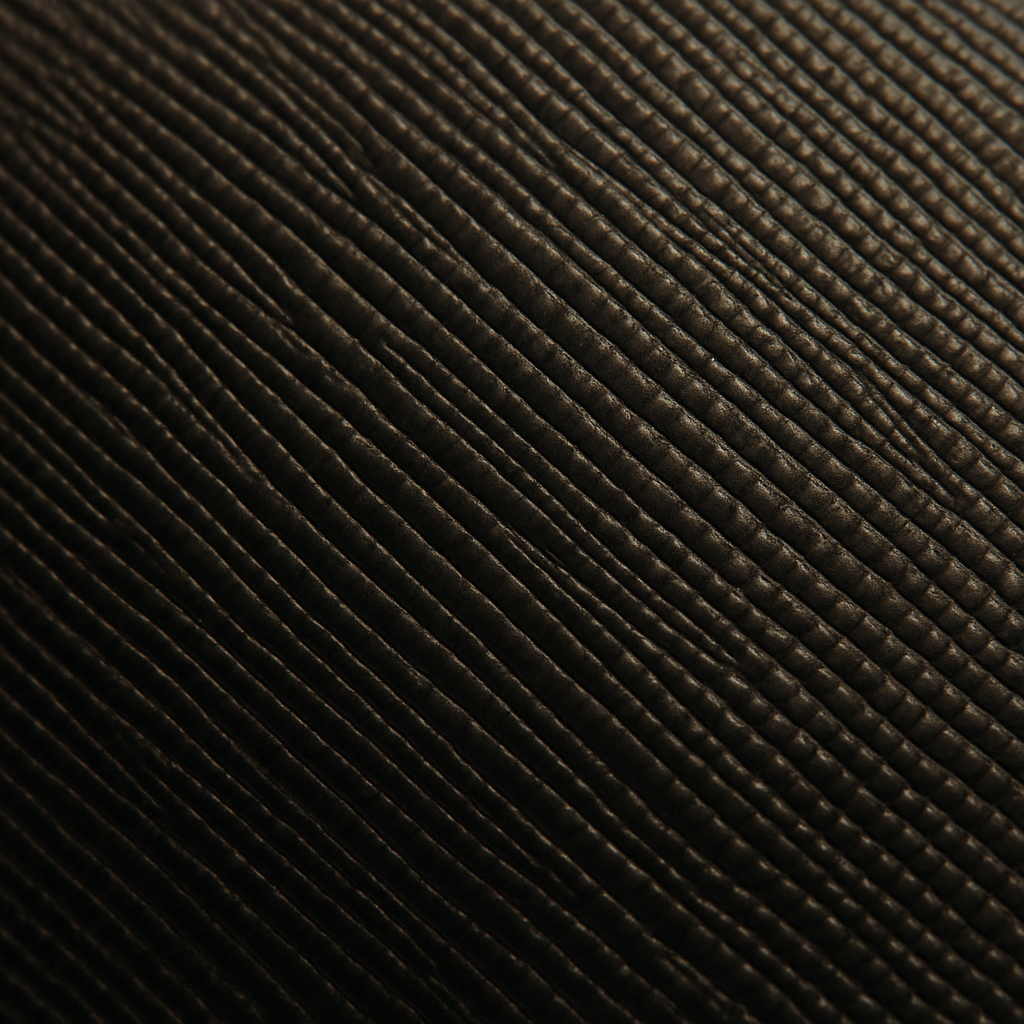
When you run your fingers over that texture, you’ll notice the tiny ridges create micro‑channels that help dirt slide off rather than embed. It’s a bit like how a rain‑repellent coat works, only the effect is built right into the leather itself.
So the next time you spot a saffiano tote, you’ll know it’s not just a pretty pattern—it’s a decades‑old engineering solution that lets luxury survive the hustle of modern life.
Whether you’re buying your first designer bag or upgrading your travel gear, understanding saffiano’s roots helps you choose wisely.
Key Characteristics of Saffiano Leather
When you first run your fingers over that subtle grid, you instantly feel the blend of luxury and practicality that makes Saffiano so addictive.
Ever wondered why a commuter’s bag can look flawless after a week of subway rides, coffee spills, and accidental key scratches? The answer lives in the material’s core traits, and we’re about to unpack each one.
Durable cross‑hatch texture
The most iconic feature is the diamond‑shaped cross‑hatch embossed into the hide. A custom‑built stamping machine presses the pattern while the leather is warm, creating a raised grid that acts like a micro‑shield.
Because the embossing distributes pressure across tiny facets, even a sharp key leaves only a faint mark that the pattern camouflages. Carl Friedrik explains that this texture is what gives Saffiano its renowned durability.
Wax‑based finish and easy care
After the embossing, a wax coating is sprayed on and burnished to a semi‑gloss shine. That wax layer not only adds that sleek sparkle, it also repels dirt and water droplets.
Cleaning is practically a one‑step ritual: a quick swipe with a dry or slightly damp microfiber cloth restores the original luster, and the wax prevents grime from sticking. Olpr notes that the wax finish makes Saffiano especially low‑maintenance compared with other leathers.
Rigidity and shape retention
Saffiano’s surface is deliberately rigid. The wax‑hardened topcoat keeps the leather from softening too much, which means handbags, briefcases, and wallets keep their structured silhouette for years.
That rigidity is why you’ll rarely see Saffiano in fluid garments like jackets – the material simply isn’t meant to drape. Instead, it shines in accessories that benefit from a firm, sculpted shape.
Color versatility and glossy sheen
Because the wax coating sits on top of the leather, manufacturers can dye the base hide any hue before the finish, or simply add pigment to the wax itself. The result is a palette that ranges from classic black to bold teal, all with that signature glossy sheen.
The sheen isn’t just for looks; it creates a reflective surface that subtly catches light, adding a touch of sophistication without the need for extra hardware.
Water resistance without being waterproof
The wax layer makes water bead off the surface, so a light rain or a spilled latte will slide away rather than soak in.
It’s not a full‑proof waterproof barrier – you still want to avoid submerging the bag – but everyday moisture is no longer a worry.
Potential drawbacks you should know
All that shine and rigidity come with trade‑offs. The synthetic feel of the wax can feel less “natural” than full‑grain leather, and the surface doesn’t develop a deep patina over time.
Sharp objects can still leave marks if they catch on the raised grid, so you’ll want to keep jagged keys or metal tools away from the edges.
Putting it all together
So, what’s the bottom line? If you crave a leather that looks polished, resists everyday wear, and requires minimal upkeep, Saffiano checks every box.
On the other hand, if you love that lived‑in, buttery patina that only full‑grain develops, you might prefer a different leather.
Either way, knowing these characteristics lets you match the material to your lifestyle, not the other way around.
Ready to feel that cross‑hatch under your fingertips? Our curated selection at Mara Formigone showcases pieces that let you experience the durability and elegance of genuine Saffiano leather.
How Saffiano Leather Is Made: Craftsmanship Process
When you first see that crisp cross‑hatch on a bag strap, you might wonder what kind of sorcery turned a piece of hide into something that feels both buttery and indestructible. The short answer? A series of carefully timed steps that marry old‑world tanning with modern engineering.
Step 1: Choosing the right hide
It all starts with a top‑grain calf or cowhide that’s thick enough to survive the pressure of embossing – usually around 1.0–1.2 mm. Luxury tanneries source these hides from farms with strict animal‑welfare standards, because any scar or blemish shows up later as an imperfect grid.
From there, the hide is cleaned, soaked in a mild alkaline bath and then split to an even thickness. Splitting removes the tougher outer grain, leaving a smooth surface that will take the coating evenly.
Step 2: Splitting, skiving and priming
After the hide is split, artisans “skive” it – a gentle shaving that creates a uniform layer across the entire piece. This step is crucial; uneven thickness would cause the embossing press to leave shallow spots.
Next comes a pore‑sealing primer. Think of it as a primer coat on a wall: it fills tiny pores so the wax or acrylic layer later won’t seep in and cause streaks. The primer also adds a subtle bounce that helps the leather keep its shape.
Step 3: Wax (or acrylic) coating
Now the magic wax enters the scene. Multiple thin layers of a wax‑based blend are sprayed or rolled onto the primed hide. Each layer is allowed to dry before the next, building up a semi‑gloss shield that repels water and scratches.
Some manufacturers opt for an acrylic finish instead of wax; the result is a similar sheen but a slightly different feel. Either way, this coating is what gives Saffiano its famous low‑maintenance reputation.
Step 4: Heat‑press embossing
Here’s where the iconic diamond pattern appears. A high‑pressure stamping machine, heated to around 150 °C, presses a steel die into the coated leather. The heat softens the wax just enough for the die to carve a crisp, cross‑hatch that’s about 0.3 mm deep.
The embossing not only creates the visual texture but also locks the coating into place, making the surface non‑porous and incredibly resistant to everyday scuffs.
Step 5: Buffing, sealing and quality check
After the press, the leather is lightly buffed to bring out its subtle sheen. A final clear topcoat is sprayed on to seal everything in – think of it as the varnish on a masterpiece painting.
Every piece then goes through a visual inspection. Artisans look for consistent pattern depth, even colour, and flawless edges. Only those that pass the checklist make it onto a designer’s runway.
So, why does this matter to you? Knowing the steps helps you spot a genuine piece. A real Saffiano will feel solid under your fingertips, the grid will be uniformly raised, and the edges will reveal a leather core rather than a synthetic backing.
When you’re shopping at Mara Formigone, look for that uniform cross‑hatch and a slight waxy glow – it’s the sign of a process that dates back to a 1913 Italian patent but has been refined with today’s precision tools.
Want a quick cheat sheet? Here’s a three‑point checklist you can run in a store:
- Uniform, crisp diamond grid – no flat spots.
- Edges that show the hide underneath the colour.
- A subtle, water‑beading sheen that wipes clean with a cloth.
If all three check out, you’re holding an authentic Saffiano piece that will stay sleek for years.
Curious about the history behind the process? Gentcreate explains the historic patent and embossing technique that still powers today’s luxury accessories. And for a deeper dive into the exact split‑coat‑emboss workflow, a detailed guide on Saffiano leather walks through each stage.
Luxury Brands That Use Saffiano Leather
When you spot that unmistakable cross‑hatch on a bag strap, you’re probably wondering which houses actually trust the material enough to build an entire collection around it. The short answer? A handful of legacy luxury labels and a few modern innovators have made Saffiano their go‑to because it delivers that sleek, structured look while shrugging off the daily grind.
Prada – the origin story turned runway staple
If you’ve ever browsed a Prada shoulder bag, you’ve seen Saffiano in its purest form. The brand launched the technique back in 1913, and today the same wax‑coated, diamond‑grid leather appears on everything from the classic Galleria tote to the newer Re‑Edition line. A typical Prada Saffiano shoulder bag can start at around $4,200 (see pricing example), which tells you two things: the material is premium, and the brand expects you to keep it looking pristine for years.
Carl Friedrik – travel‑ready durability
Modern travelers love Carl Friedrik’s Saffiano briefcases and carry‑ons because the texture hides scuffs and the wax finish repels grime. As the brand notes, the cross‑hatch “acts like a micro‑shield” that lets you toss the bag onto a train seat without worrying about a stray key leaving a mark (Carl Friedrik explains the durability). Their product line shows how Saffiano can be both classy and rugged – perfect for a commuter who still wants a polished silhouette.
Other luxury names that swear by Saffiano
Beyond Prada and Carl Friedrik, several other houses have adopted the material for flagship pieces:
- Aspinal of London – known for sleek wallets and minimalist clutch bags that stay crisp after months of use.
- Mulberry – occasionally releases limited‑edition satchels where the Saffiano grid adds a modern edge to their heritage silhouette.
- Coach – offers a range of Saffiano‑coated handbags that blend American sportiness with that unmistakable Italian texture.
What’s common across these brands? They all need a leather that keeps its shape, resists scratches, and looks upscale without demanding constant polishing.
How to spot a genuine luxury Saffiano piece
Because the market is flooded with lower‑cost imitations, a quick visual and tactile test can save you from a pricey letdown. First, run your finger across the grid – it should feel raised and uniform, not flat or uneven. Second, look at the edge: a real Saffiano bag will show the raw hide underneath the wax, a subtle hint that the leather isn’t just a synthetic coating. Finally, check the sheen; authentic wax‑coated Saffiano has a soft, semi‑gloss that catches light without appearing plastic.
When you shop at Mara Formigone, we pre‑screen every piece against these criteria, so you can trust that the Saffiano items you add to your wardrobe truly belong to the luxury tier.
Actionable steps: building a Saffiano capsule
Ready to curate a small collection that leans on Saffiano’s strengths? Here’s a simple three‑item checklist:
- Choose a structured tote – something like a Prada Galleria for work days; its rigidity means the bag holds its shape even when you’re over‑packed.
- Add a sleek wallet – a Carl Friedrik zip‑around keeps cash and cards organized while the grid hides everyday wear.
- Pick a travel companion – a Saffiano carry‑on or briefcase ensures your essentials look polished from airport lounge to hotel lobby.
Pair these pieces with a neutral color palette (black, deep navy, or classic tan) and you’ll have a cohesive look that feels luxe yet low‑maintenance.
So, does Saffiano fit your style? If you crave a leather that looks refined, resists the hustle‑and‑bustle, and ages gracefully with just a quick wipe, the answer is likely yes. Dive into our curated selection and experience the cross‑hatch difference for yourself.
Saffiano vs. Other Leathers: Comparison Table
When you’re scrolling through a luxury boutique, you’ll see the same cross‑hatch pattern popping up on bags, wallets, and even briefcases. It’s easy to assume every textured leather is the same, but the details matter – especially if you want something that looks sleek *and* can survive a commuter’s daily grind.
So, how does Saffiano really stack up against its more traditional cousins? Let’s break it down with a quick side‑by‑side look, then dive into real‑world scenarios that show why one might fit your lifestyle better than the other.
Key comparison points
| Leather Type | Texture & Appearance | Durability & Maintenance | Ideal Use Cases |
|---|---|---|---|
| Saffiano | Diamond‑shaped cross‑hatch, semi‑gloss wax finish | Highly scratch‑ and water‑resistant; wipes clean with a dry cloth | Structured handbags, travel cases, everyday wallets |
| Full‑grain | Natural grain, soft matte finish that develops patina | Very durable but prone to staining; requires conditioning | Luxury handbags that age, premium shoes, leather jackets |
| Pebbled | Raised pebble‑like embossing, often matte | Robust and hides scuffs; slightly heavier than Saffiano | Casual totes, outerwear, accessories that benefit from grip |
| Patent | High‑shine, smooth surface | Glossy but can crack; very scratch‑sensitive | Statement clutch bags, evening shoes, accent pieces |
Notice how the texture influences care? The cross‑hatch of Saffiano acts like a micro‑shield – a stray key won’t leave a permanent mark, and a coffee spill beads off like water on a lotus leaf. Full‑grain, on the other hand, loves a good patina but will soak up any spill unless you treat it immediately.
Let’s walk through a day in the life of three different leather lovers.
1. The commuter
Emma rides the subway, juggling a phone, coffee, and a stack of contracts. Her go‑to bag is a Saffiano‑coated briefcase from Prada – the grid hides the inevitable scuffs from the rail, and a quick swipe with a microfiber cloth leaves it looking showroom‑fresh. If Emma tried a full‑grain tote, she’d be polishing it every few hours, which defeats the purpose of a “set‑and‑forget” work bag.
2. The vintage enthusiast
Liam loves the story a leather tells. He prefers a full‑grain leather satchel that darkens and softens with use, developing a unique patina that matches his well‑worn boots. He accepts the occasional stain because the leather’s character outweighs the need for pristine perfection.
3. The weekend explorer
Sam’s hobby is hiking city streets and rural trails on weekends. He opts for a pebbled leather duffel – the raised texture hides mud splatters and the material’s heft feels reassuring when the bag is packed with gear. The pebble pattern also gives a better grip on slippery surfaces compared to the slick Saffiano finish.
Each scenario highlights why the “one size fits all” myth doesn’t hold in leather. The trick is to match the material’s strengths with the wearer’s routine.

If you’re still on the fence, here’s a quick decision checklist you can run in any store:
- Feel the surface: raised grid = Saffiano, smooth natural grain = full‑grain, bumpy pebble = pebbled.
- Look at the sheen: semi‑gloss wax = Saffiano, matte patina = full‑grain, low‑gloss = pebbled, high‑gloss = patent.
- Ask yourself how often you’ll need to clean it. If you need a wipe‑clean routine, Saffiano wins.
Need a deeper dive into what makes Saffiano tick? What Is Saffiano Leather and How Do I Protect It? walks you through the science without the jargon.
And if you’re curious about how other industries think about durability, check out this unexpected perspective: Vyni’s guide to extending the life of everyday gear. It’s a reminder that caring for your leather is a lot like caring for a bike – a little regular attention goes a long way.
FAQ
What is saffiano leather and why does it matter?
In plain terms, saffiano leather is a calf‑ or goat‑skin that’s been embossed with a tight, diamond‑shaped grid and then sealed with a wax‑based finish. The pattern acts like a tiny shield, so everyday scratches and spills barely show. Because the coating is semi‑gloss, the material looks sleek yet stays low‑maintenance – perfect for a bag you pull out every morning.
How can I spot a genuine saffiano piece in a store?
First, run your fingertip across the surface; you should feel a uniform, raised grid, not a flat or uneven texture. Second, glance at the edge – a real piece will reveal the raw hide beneath the wax, not a synthetic lining. Finally, the shine should be a soft, semi‑gloss that catches light without looking plastic. If those three checks line up, you’re likely holding authentic saffiano.
Is saffiano leather really water‑resistant?
Yes, the wax coating makes water bead off the surface, so a light rain or a coffee spill will slide away rather than soak in. It’s not waterproof – you still want to avoid submerging the bag – but everyday moisture is no longer a worry. A quick wipe with a dry microfiber cloth restores the original luster in seconds.
What’s the best way to care for my saffiano accessories?
Treat them like you would a high‑end piece of jewelry: keep a soft cloth handy for daily dusting, and when a stain appears, gently blot it rather than scrubbing. For deeper cleaning, use a barely damp cloth; avoid harsh chemicals because they can dull the wax. Store the item in a breathable dust bag, and resist folding it too sharply – the rigidity helps it keep its shape.
Does saffiano develop a patina like full‑grain leather?
Not really. The wax layer locks in the color and sheen, so you won’t see the same deep, lived‑in patina that full‑grain develops over years. Some people love that consistency, especially when they want a piece that stays looking showroom‑fresh. If you crave a leather that ages and darkens with use, you might prefer full‑grain instead.
Which items benefit most from saffiano’s properties?
Think of anything that endures daily hustle: structured handbags, travel‑ready briefcases, slim wallets, and even phone cases. The rigidity keeps bags upright, the grid hides scuffs, and the water‑beading quality means a commuter can toss a bag into a train without fearing a coffee‑stain disaster. For shoes or jackets, the stiffness can feel too crisp, so those aren’t typical saffiano applications.
Can I find affordable authentic saffiano pieces without compromising quality?
Absolutely. While high‑end houses price their saffiano collections steeply, many boutique curators source authentic, season‑less pieces at a fraction of the runway cost. Look for reputable sellers who verify the hide, show the edge detail, and provide original packaging. When you buy from a trusted boutique, you get the same craftsmanship without the markup of a flagship store.
Conclusion
If you’ve made it this far, you already know that “what is saffiano leather” isn’t just a buzzword—it’s a practical choice for a busy lifestyle.
But does that mean you should grab the first shiny bag you see? Not necessarily. You want a piece that feels right in your hand and holds up when you toss it onto a train pole.
Remember the three things we highlighted: the cross‑hatch grid that hides scratches, the wax‑based finish that wipes clean in seconds, and the built‑in rigidity that keeps bags structured.
When you shop, run your fingertip over the texture; a uniform, raised diamond pattern means you’re looking at authentic saffiano.
Check the edges—real saffiano will reveal the natural hide underneath the coating, not a synthetic lining.
And don’t forget the shine: a soft, semi‑gloss that catches light without looking plastic signals genuine craftsmanship.
With those quick checks, you can confidently add a saffiano accessory to your wardrobe without fearing premature wear.
Whether it’s a structured tote for the office, a sleek wallet for everyday errands, or a travel briefcase for weekend getaways, saffiano delivers low‑maintenance luxury.
So, what’s the next step? Head over to Mara Formigone, where each piece is vetted for authenticity, and treat yourself to a leather that works as hard as you do.
Enjoy the confidence that comes with owning a timeless, resilient material—your future self will thank you every time you reach for that bag.