

Ever stood in front of your closet, bag in hand, and thought, “Which one actually fits my day?” You’re not alone—many of us wrestle with the classic tote bag vs shoulder bag debate.
Here’s what I mean: a tote feels like that roomy, trusty sidekick that can hold your laptop, a coffee, maybe even a quick lunch, while a shoulder bag whispers “I’m sleek, I’m on‑the‑go, I’ve got just enough space for the essentials.”
And the decision isn’t just about size. It’s about the vibe you want to project. A structured leather tote says “professional confidence,” whereas a soft‑shoulder satchel says “effortless chic.”
But what happens when your morning schedule flips from boardroom meetings to a spontaneous brunch? That’s the moment you realize you need a bag that can adapt without sacrificing style.
Think about it this way: imagine you’re juggling a designer notebook, a sleek phone, and a pair of sunglasses. A tote gives you that flat, stable base, preventing things from getting squished. A shoulder bag, with its angled strap, lets you swing it on one arm and keep your hands free for that latte.
So, why does this choice matter for you? Because the right bag can boost your confidence, streamline your routine, and even save you from a fashion faux pas.
Let’s be honest—sometimes we buy a bag because it looks gorgeous on the rack, only to discover it’s a nightmare to carry all day. That’s why we’ll walk through the key factors: capacity, comfort, silhouette, and occasion.
In the next sections you’ll learn how to match the tote bag vs shoulder bag decision to your lifestyle, spot the craftsmanship cues that guarantee authenticity, and avoid the common pitfalls that lead to buyer’s remorse.
Ready to stop guessing and start feeling sure about your next luxury accessory? Stick with us, and we’ll turn that confusion into clarity.
TL;DR
Choosing between a tote bag and a shoulder bag hinges on how you balance capacity, style, and day‑to‑day comfort. We’ll guide you through key factors—size, strap design, and occasion—so you can pick the luxury accessory that feels effortless, authentic, and confident and stylish for every moment in your busy schedule.
Core Difference #1: Design & Capacity
When you’re staring at a sleek tote and a streamlined shoulder bag, the first thing you feel is the weight of choice—literally. A tote often feels like a flat, open canvas, ready to swallow a laptop, a notebook, a water bottle, and maybe even a light lunch. A shoulder bag, on the other hand, is more sculpted, with a tapered silhouette that whispers “just the essentials, please.”
Think about the morning rush: you grab your coffee, slip your phone into a pocket, and wonder if there’s room for that new planner you just bought. With a tote, you simply slide everything in; the wide opening and sturdy base keep things from getting crushed. With a shoulder bag, you have to be a bit more selective—maybe you leave the extra snack at home, but you gain freedom to swing the bag onto one arm and keep both hands free for a quick hello.
Design isn’t just about looks; it’s about how the bag moves with you. The strap on a shoulder bag is usually angled, distributing weight across your shoulder and upper arm. That can feel lighter on a long commute, especially if the bag has a padded strap. A tote’s handles sit on the top of the bag, so the weight rests on your palm and forearm, which can become uncomfortable if you’re lugging a heavy load for hours.
So, which design wins for you? It depends on the day’s agenda. If you’re heading to a boardroom and need to bring a stack of documents, the flat, stable base of a tote is a lifesaver. If you’re hopping between coffee shops and a quick lunch meeting, the hands‑free vibe of a shoulder bag keeps you moving without a wobble.
Here’s a quick way to test capacity without opening a zip: hold the bag by its handles or strap and let it dangle. If it feels like it could hold a small suitcase, you’re probably looking at a tote. If it feels compact enough to swing over your shoulder without pulling your arm forward, it’s likely a shoulder bag.
Design also influences how the bag ages. A well‑structured leather tote will develop a patina that tells a story, while a soft‑shoulder satchel might lose shape over time if it’s overloaded. That’s why many luxury shoppers pair a sturdy tote for workdays and keep a softer shoulder bag for weekend adventures.
Want to dive deeper into picking the right tote for the office? Check out Choosing the Perfect Designer Tote Bags for Work for a curated look at styles that balance elegance and practicality.
And if you’re thinking about accessorizing your new bag—maybe a silk scarf, a sleek key holder, or a personalized charm—take a peek at Midnight Scriber. Their collection of curated gifts pairs beautifully with a high‑end bag, making it easy to elevate the whole look.
Sometimes you might even want to customize the bag itself. That’s where a platform like TalentsHive comes in handy, connecting you with freelance designers who can add monograms, unique hardware, or bespoke stitching to make your tote or shoulder bag truly one‑of‑a‑kind.
Watch the short video above for a visual comparison of how a tote’s flat base holds a laptop versus how a shoulder bag’s angled strap distributes weight across the shoulder.
When you’re ready to see both options side by side, picture this: a matte black leather tote on a polished desk, its surface smooth and spacious, next to a deep‑blue suede shoulder bag draped over a chair, its compact form inviting you to slip your hand inside and feel the buttery softness of the interior lining.
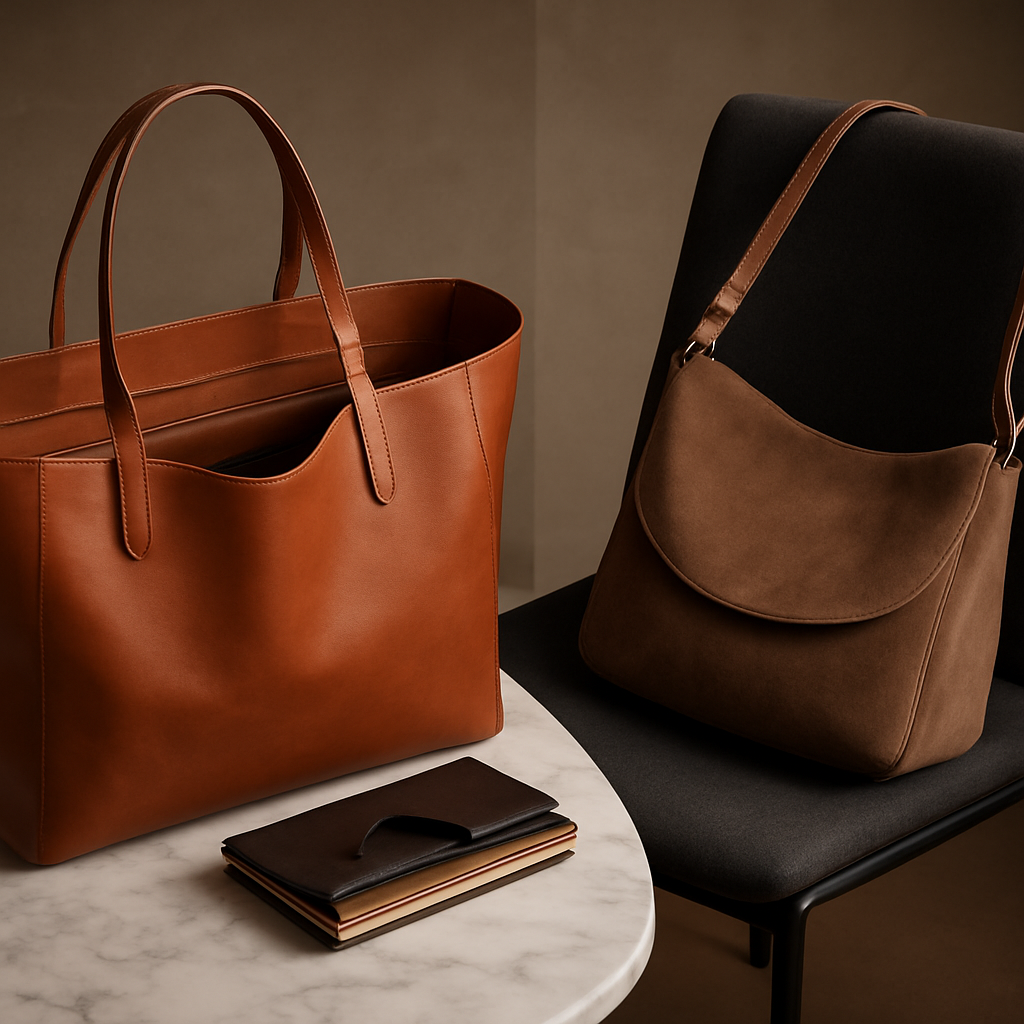
Bottom line: design and capacity are the heart of the tote bag vs shoulder bag debate. By understanding how each shape carries weight, adapts to your day, and ages over time, you can choose the piece that feels like an extension of you—not a burden.
Core Difference #2: Styling Flexibility & Occasion Fit
Ever stare at your wardrobe and wonder whether your bag will actually match the event you’re heading to? That little pause is the secret moment where styling flexibility decides if you feel put‑together or like you’re guessing.
Let’s be real: a tote bag can feel like a blank canvas, while a shoulder bag often arrives with a built‑in mood. The trick is learning when each vibe works best, so you never have to choose between function and fashion.
When the dress code shifts
Imagine you have a morning client presentation, a quick lunch with a friend, and a sunset cocktail after work. A structured leather shoulder bag instantly adds polish to your tailored blazer, giving you that "I mean business" look. When the evening rolls around, the same bag can be slipped onto your elbow, showing off its sleek silhouette without looking heavy.
Now picture swapping that shoulder bag for a soft canvas tote in the same day. The tote drapes over your shoulder, softening the formality of your blazer and making the transition to a casual dinner feel effortless. It’s the kind of subtle shift that says, "I’m relaxed, but still stylish."
According to FW Style's collection of totes and shoulder bags, many designers craft shoulder bags with removable straps, letting you convert them into a more relaxed carry when the occasion calls for it. That little detail turns a single piece into two styling options.
Travel & weekend vibes
Weekend getaways demand a bag that can hold a change of clothes, a water bottle, and maybe a guidebook. A roomy tote expands to fit a folded sweater, yet folds flat when you’re back on the plane. A shoulder bag, especially one with a built‑in crossbody option, lets you keep your hands free while navigating airports or cobblestone streets.
One traveler I know swears by a leather shoulder bag that slides onto a detachable strap for a crossbody look. When she needs extra space for souvenirs, she simply opens the main compartment and lets the bag soften, turning it into a mini‑tote. That flexibility saved her from buying a second bag entirely.
Topo Designs points out that versatile bags, like their "Rover Packs," often include modular accessories that let you adapt the bag’s shape for different trips (see Topo Designs). While those are technically packs, the principle applies to luxury shoulder bags that offer similar modularity.
Mix‑and‑match styling tips
Here are three quick ways to stretch the styling mileage of either bag type:
- Swap hardware: replace a gold clasp with brushed metal for a more casual feel, or vice‑versa for a formal event.
- Play with texture: pair a sleek leather shoulder bag with a knit sweater for contrast, or match a canvas tote with a structured coat for balance.
- Add a statement strap: a removable chain or fabric strap can instantly shift the bag’s vibe from day to night.
So, how do you decide which bag to grab?
Start by asking yourself three questions each morning:
- What’s the most formal piece I’m wearing?
- Do I need quick access to my phone or passport?
- Will I be moving a lot or staying put?
If the answer leans toward formal, go shoulder. If it leans toward movement and casual, reach for a tote.
And remember, you don’t have to stick to one style forever. Many luxury brands now design shoulder bags with detachable handles, letting you flip them into a tote when the situation demands. That hybrid approach is the ultimate answer to the "tote bag vs shoulder bag" debate.
Ready to see the difference in action? Check out this short video that walks you through a quick styling swap between a tote and a shoulder bag.
Notice how the bag’s silhouette changes the overall outfit vibe within seconds. That visual cue is worth a thousand words.
Bottom line: styling flexibility isn’t just about looks—it’s about feeling confident in any setting. By understanding the occasion, the outfit, and the little design tricks that let a bag morph, you turn a single accessory into a style powerhouse.
Core Difference #3: Material Quality & Brand Craftsmanship
When you start comparing a tote bag vs shoulder bag, the first thing that feels different is the material under your fingertips. A tote often leans on canvas, nylon or soft leather that drapes and flexes, while a shoulder bag usually showcases structured leather or high‑grade suede that holds its shape even when it’s empty.
Why does that matter? Because the texture, durability and the story behind the stitching tell you whether you’re holding a fleeting trend or an heirloom‑ready piece.
What to look for in the fabric
Luxury totes typically use full‑grain or vegetable‑tanned leather that develops a patina over time. Think of a buttery surface that softens after a few weeks of city commuting. If the tote is made from ballistic nylon, look for a denier count of 600 or higher – that’s the industry’s way of saying “won’t fray after a coffee spill.”
Shoulder bags, on the other hand, often feature a reinforced base of calfskin or lambskin. The grain is tighter, the edge stitching is double‑stitched, and there’s usually a protective leather lining that keeps your laptop from rubbing against the interior.
Real‑world example: Veronica Beard’s handbag line
Take the Veronica Beard collection, where prices range from $495 up to $895. Those price points aren’t random; they reflect the brand’s commitment to sourcing premium leathers and employing artisans who hand‑stitch each bag. You can see the spread of pricing on their handbag collection page, which signals that you’re paying for material integrity as much as for style.
Notice how the higher‑priced pieces often have a polished hardware finish and a reinforced bottom – details that protect the bag’s shape and extend its life. The lower‑priced options still use quality leather but might skip the extra reinforcement, which can be fine for occasional use.
Brand craftsmanship cues
Beyond the raw material, craftsmanship shines through in these details:
- Hand‑stitched seams versus glued or machine‑stitched seams. Hand stitching adds strength and a subtle irregularity that feels human.
- Leather edge finishing. Burnished edges mean the bag won’t crack as it ages.
- Hardware that’s solid brass or stainless steel rather than zinc alloy. Real metal feels weighty and resists tarnish.
If you can see a tiny “hand‑stitched” tag inside the bag, that’s a green flag. If the hardware feels flimsy or the leather has a synthetic shine, you’re probably looking at a lower‑tier replica.
Actionable checklist for the savvy shopper
Next time you’re weighing a tote against a shoulder bag, run through this quick audit:
- Touch test: Does the leather feel soft and warm, or does it feel plasticky?
- Edge check: Are the edges smooth and burnished, or are they rough and unfinished?
- Stitch inspection: Look for uniform, tight stitches with no gaps.
- Hardware feel: Pick up the zip or clasp – is it heavy and solid?
- Weight test: A well‑crafted tote will be lighter than its size suggests, while a structured shoulder bag may feel a bit heavier due to reinforced leather.
Mark the items that pass all five steps as “investment pieces.” Those are the bags that will look better with age and survive the daily hustle.
Expert tip: blend the best of both worlds
Many designers now offer a detachable shoulder strap on their tote, giving you the structured feel of a shoulder bag when you need it and the relaxed, roomy vibe of a tote when you don’t. Look for reinforced stitching where the strap attaches – that’s the spot that often fails if the bag isn’t built to last.
And if you’re torn between a soft canvas tote and a polished leather shoulder bag, consider a hybrid: a leather‑trimmed canvas tote. The canvas gives you flexibility, while the leather trim adds durability and an upscale look.
Bottom line: material quality and brand craftsmanship aren’t just buzzwords; they’re the silent partners that determine whether your bag will be a daily driver or a seasonal fling. By paying attention to fabric type, stitching, edge finishing, and hardware, you can confidently choose a tote bag vs shoulder bag that aligns with your lifestyle and your desire for lasting luxury.
Core Difference #4: Price, Investment Value & Longevity
Okay, let's get real for a minute. When you stare at the price tag, you’re not just asking, “Can I afford this?” You’re wondering whether that number will make sense years from now. In the world of tote bag vs shoulder bag, the answer often hinges on three things: upfront cost, resale potential, and how long the piece will actually last.
First off, luxury isn’t cheap for a reason. The global luxury leather goods market hit $97 billion in 2023, and a big chunk of that comes from bags that are built to endure. Those price tags reflect premium hides, hand‑stitched seams, and hardware that’s meant to stay solid for a decade or more.
Price: What you see vs. what you get
Generally, a high‑end tote will sit in the $400‑$800 range, while a structured shoulder bag from the same house can push $600‑$1,200. That gap isn’t just about size; it’s about the engineering behind the strap anchors, reinforced gussets, and the type of leather. A full‑grain calfskin tote, for example, often costs less than a calfskin shoulder bag with a polished brass clasp because the shoulder bag needs extra reinforcement to keep its shape.
Does that mean you should always pick the cheaper tote? Not necessarily. If the bag will be your daily commuter, the extra investment in a shoulder bag’s structured base might save you from shoulder fatigue and early wear.
Investment value: Can your bag pay you back?
Here’s where the conversation gets juicy. Luxury bags aren’t just accessories—they’re mini‑assets. Vogue’s resale‑value analysis shows top bags can retain 60‑80% of their original price when they’re well‑maintained. Tote bags that use full‑grain leather and have minimal branding tend to age like fine wine, developing a patina that actually boosts desirability.
Shoulder bags, especially those with iconic silhouettes (think a classic Chanel flap or a Hermès Kelly), often outperform totes on the secondary market because of their iconic status. But a well‑chosen, less‑flashy tote can still be a solid hold‑over if you keep the hardware polished and store it in a dust‑proof pouch.
So, what should you do? Think about how often you’ll wear the bag and whether you’re comfortable with a bit of wear‑and‑tear. A tote that you use every day might lose a few inches of leather, but if you’ve chosen a high‑grade hide, that “wear” is part of the story you’ll love to tell.
Longevity: The day‑to‑day grind
Longevity is basically the sum of material quality, construction technique, and how you treat the bag. A tote with saddle‑stitched seams and a vegetable‑tanned hide can survive years of hustle without a seam popping. A shoulder bag with double‑stitched edges and solid brass hardware will hold its shape longer under constant load.
One practical tip: always check the strap anchor. A weak point there spells trouble for both styles, but it’s especially fatal for a shoulder bag that bears the entire weight on one strap.
And don’t forget the “care routine.” Conditioning leather once a month, avoiding prolonged sun exposure, and swapping out the strap when it shows signs of stretch can extend the life of either bag by years.
| Factor | Tote Bag | Shoulder Bag |
|---|---|---|
| Typical price range | $400‑$800 (luxury) | $600‑$1,200 (luxury) |
| Resale retention | 60‑80% if well‑maintained | 70‑90% for iconic silhouettes |
| Longevity drivers | Full‑grain leather, saddle stitching, reinforced gussets | Structured leather, double‑stitched edges, solid brass hardware |
Bottom line? The price you pay today should align with how you plan to use the bag and whether you see it as a fashion statement, a functional workhorse, or a future resale gem. If you love the idea of a bag that ages gracefully and still feels fresh in the resale market, lean toward a full‑grain tote with simple hardware. If you crave a polished silhouette that holds its shape no matter how many laptops you jam inside, a structured shoulder bag might be worth the extra dollars.
Take a minute tonight to pull out the bags you already own. Compare the stitching, feel the leather, and ask yourself: “Which one feels like it could last me ten years?” That quick audit will save you a lot of buyer’s remorse later.
Whatever you choose, remember that a well‑cared‑for luxury bag isn’t just an expense—it’s a piece of your style legacy.
Core Difference #5: Practical Care & Sustainability
So you’ve picked your favorite tote or shoulder bag—now what? The real test isn’t how it looks on Instagram; it’s how you keep it alive for years to come.
When we talk about “care,” we’re not just talking about a quick wipe‑down. Good habits protect the leather, the stitching, and the planet. A bag that ages gracefully feels like a trusted friend, and the less you toss it, the smaller your fashion footprint.
Materials matter—and they’re not all created equal
A full‑grain leather tote breathes, develops a patina, and can last a decade if you treat it right. A structured shoulder bag in calfskin often has a stiffer base that needs a bit more TLC to avoid cracking. On the other side, a canvas tote made from recycled nylon is lightweight, water‑resistant, and generally easier on the environment because it uses less animal hide.
Choosing a bag with responsibly sourced leather—or even a vegan alternative—means the supply chain already had sustainability in mind. Look for “vegetable‑tanned” or “eco‑leather” labels; they use natural tannins instead of harsh chemicals.
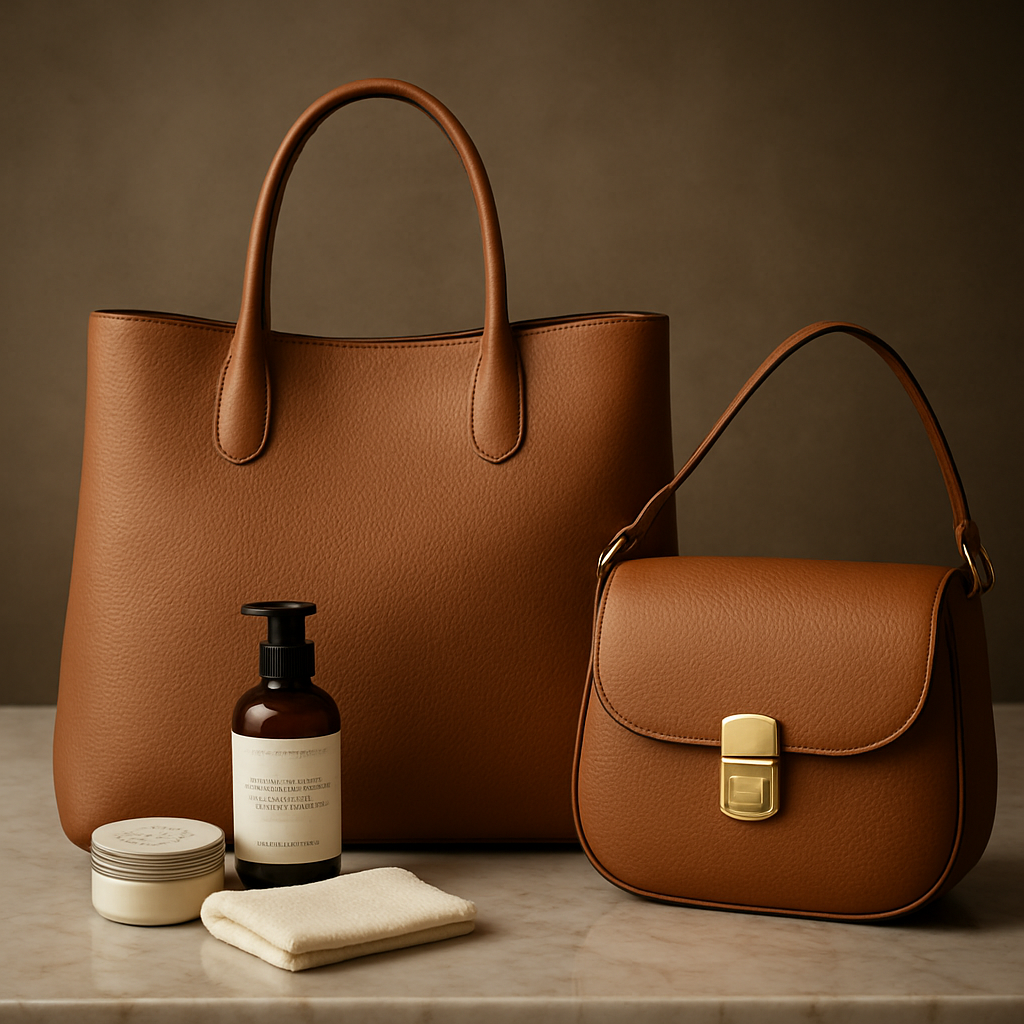
Daily rituals that make a difference
First thing in the morning, give the exterior a gentle brush with a soft, natural‑bristle cloth. It clears dust that can settle into the grain and cause micro‑abrasions later.
After a coffee spill? Blot—not rub. A light dab with a dry microfiber cloth stops the liquid from soaking deeper. For leather, follow up with a thin layer of leather conditioner once a month; it replenishes oils and keeps the surface supple.
If your bag is canvas, a quick mist of water‑based fabric protector can guard against stains without compromising breathability.
Storage hacks for the savvy collector
When the bag isn’t on your arm, tuck it into a breathable dust bag. Avoid plastic covers; they trap humidity and can lead to mold. A cotton pillowcase works just as well.
Stuff the interior with acid‑free tissue paper or a soft sweater to help it keep its shape. For shoulder bags, consider a padded hanger that supports the strap and prevents it from sagging.
Travel tip: roll a lightweight, water‑resistant pouch around the bag instead of stuffing it into a suitcase. It creates a buffer against rough handling and keeps the hardware from getting dinged.
Repair vs. replace—why fixing is the sustainable choice
Every seam that pops or strap that frays is an opportunity to extend the bag’s life. A reputable leather repair shop can re‑stitch saddle‑stitched seams and replace worn hardware without compromising the original design.
For minor DIY fixes, a leather adhesive and a small needle can seal tiny tears. Just test on an inconspicuous spot first—better safe than sorry.
The upside? A repaired bag often retains its resale value because buyers see the effort you’ve put into preservation.
Putting it all together: a quick care checklist
- Brush off dust each morning.
- Blot spills immediately; condition leather monthly.
- Store in a breathable dust bag with shape‑supporting filler.
- Use a fabric protector on canvas or recycled nylon.
- Schedule a professional repair for major wear.
- Document the bag’s condition with photos for future resale.
By treating your tote or shoulder bag as a long‑term investment, you’re not only safeguarding your style legacy—you’re also making a subtle but powerful sustainability statement. A well‑cared‑for bag stays in rotation longer, reduces the need for new production, and ultimately feels good every time you sling it over your shoulder.
So next time you reach for that favorite piece, remember: a little love today equals years of confidence tomorrow.
Core Difference #6: Brand Reputation & Authenticity
When you’re weighing a tote bag vs shoulder bag, the first thing that pops into your mind is usually “does it look real?” That gut feeling is actually a powerful filter. A brand’s reputation is built on a track record of authentic details, and those details are the breadcrumbs that tell you whether you’re holding a genuine piece or a clever copy.
Think about the last time you saw a friend flaunt a new designer bag. Did you notice the stitching? The hardware? The little leather tag inside? Those tiny cues are exactly what seasoned shoppers use to separate the real deal from the impostor.
Why authenticity matters more than the label
Luxury isn’t just a price tag; it’s a promise of lasting quality. A genuine tote or shoulder bag will age gracefully, developing a patina that actually adds character. A counterfeit, even if it looks shiny at first, will soon betray you with uneven seams, flimsy metal, or that unmistakable chemical smell of cheap leather.
And here’s the kicker: the resale market respects authenticity. A well‑maintained authentic bag can retain 60‑80% of its original price, while a fake will drop to pennies on the dollar the moment you try to sell it.
Key authenticity checkpoints
Start with the serial number tag. Real bags from top houses usually have a leather patch inside with a string of 10‑13 digits, the brand’s logo, and a “®” stamp. If the numbers look cramped or the font is off, that’s a red flag.
Next, run your fingers over the material. Full‑grain leather feels buttery and warm; canvas or nylon should be tightly woven and resistant to snagging. Counterfeit leather often feels plasticky and may give off a faint, unpleasant odor.
Stitching is another tell‑tale sign. Authentic pieces feature even, tight stitches that match the bag’s color. Look for loose threads or gaps—those are hallmarks of mass‑produced knock‑offs.
Hardware should feel heavy and solid. Brass or stainless steel components have a subtle weight, and the brand name is usually engraved, not just printed. If the clasp feels light as a feather, you’re probably not holding a genuine item.
Finally, check the interior tag. A genuine tag includes the brand name in the correct case, “made in Italy” (or the appropriate country) in lowercase, and a clean, precise font. Any misspelling or odd capitalization is a warning sign.
For a deeper dive into these details, you can follow the authentication guide from Collector's Cage, which walks you through each of these checkpoints with visual examples.
Brand reputation in practice
Brands with strong reputations—think Gucci, Chanel, or Bottega Veneta—invest heavily in anti‑counterfeit technology. Some embed QR codes, control cards, or even RFID chips that you can scan to verify authenticity instantly. Those extra layers of proof aren’t just marketing fluff; they protect the buyer and reinforce the brand’s legacy.
On the flip side, newer or niche luxury labels might rely more on traditional craftsmanship cues. In those cases, your own inspection skills become the most reliable tool.
How to protect yourself while shopping
First, buy from trusted retailers that offer a clear return policy and provide original packaging—dust bags, boxes, and authenticity cards are all part of the puzzle.
Second, take photos of the bag’s serial tag, hardware, and interior label before you finalize the purchase. That way, you have a record to reference if doubts arise later.
Third, consider a professional authentication service for high‑value pieces. A quick expert check can save you from a costly mistake and give you peace of mind.
Bottom line: brand reputation and authenticity are the twin pillars that turn a tote bag vs shoulder bag decision from a style preference into an investment choice. By mastering the little details—serial tags, stitching, hardware, and material feel—you’ll walk away confident that the bag you choose not only looks great on you but also holds its value for years to come.
Conclusion
By now you’ve seen how the little details—stitching, hardware, shape, and price—turn the simple question of tote bag vs shoulder bag into a real style decision.
So, what does that mean for you? It means you can match the bag to the day’s rhythm instead of forcing one shape to do everything.
If your schedule is a marathon of meetings, a structured shoulder bag keeps everything organized and feels polished; if you’re juggling notebooks, coffee cups, and a quick‑change outfit, a roomy tote gives you the breathing room you crave.
Remember the care checklist we built earlier: brush off dust, blot spills, store in a breathable dust bag, and check those strap anchors. Those habits protect the investment whether you pick a tote or a shoulder bag.
Finally, treat the choice as a conversation with yourself. Ask: which piece makes me feel confident walking into a boardroom, and which one feels like a trusted companion on a weekend getaway?
And when the season changes or your wardrobe evolves, don’t be afraid to swap straps, add a monogram, or even transition the tote into a cross‑body for a fresh look.
Whatever you decide, you’re investing in a piece that’ll age with you—so pick the style that matches your life now, and let it grow alongside your story.
FAQ
What’s the main functional difference between a tote bag and a shoulder bag?
At its core, a tote gives you an open‑top, roomy shell that expands as you stuff in notebooks, a water bottle, or a quick‑change outfit. It’s perfect for days when you need flexibility and easy access. A shoulder bag, on the other hand, usually features a zip or magnetic closure, built‑in compartments, and a structured silhouette that keeps everything organized and protected. If you spend most of your day in meetings and need a polished look, the shoulder bag’s form‑follows‑function design is often the safer bet.
How do I decide which style fits my daily routine?
Start by mapping a typical day. Ask yourself: “What’s the biggest thing I’ll carry?” If it’s a laptop plus a few accessories, a shoulder bag with a dedicated sleeve will keep the tech safe and still look sleek. If you juggle a notebook, a coffee, and maybe a yoga mat, the tote’s flexible space lets you toss things in without fighting for room. Try the quick‑check list you used earlier—biggest item, quick‑access needs, and where you’ll be moving.
Can I switch between tote and shoulder configurations with the same bag?
Absolutely. Many luxury designers now add detachable straps or removable handles, turning a tote into a cross‑body or shoulder bag in seconds. Look for reinforced stitching where the strap attaches—if that area feels solid, you’ll avoid premature wear. This hybrid approach gives you the best of both worlds: the tote’s capacity when you need it, and the shoulder bag’s polish when you’re heading into a boardroom.
Is one style more durable than the other?
Durability really hinges on material and construction, not the silhouette itself. A full‑grain leather tote can outlast a cheap canvas shoulder bag, while a structured calfskin shoulder bag with double‑stitched edges can survive daily commuting better than a floppy nylon tote that frays at the seams. Check the stitching quality, edge finishing, and hardware weight—those details tell you whether the bag will stand the test of time regardless of its shape.
How do I care for a tote versus a shoulder bag to extend its life?
The routine is surprisingly similar: brush off dust each morning, blot any spills immediately, and condition leather once a month. For canvas or recycled‑nylon totes, a water‑based fabric protector adds a layer of stain resistance. Store both in a breathable dust bag with a soft filler to keep shape. If a strap shows wear, replace it sooner rather than later—most reputable sellers, including Mara Formigone, offer genuine replacement straps.
Do tote bags or shoulder bags hold their value better on the resale market?
Generally, iconic shoulder bags with a signature silhouette (think classic Chanel or Hermès) tend to retain higher percentages because collectors chase the shape as much as the brand. However, a well‑maintained, minimalist tote made from full‑grain leather can also command strong resale prices, especially if the hardware stays pristine and the leather develops a beautiful patina. The key is keeping the bag in top condition and retaining all original packaging.
What’s the best way to style a tote for a formal event?
Pair the tote with a structured blazer, a sleek belt, and polished shoes. Choose a tote in a neutral tone—black, navy, or deep cognac—and keep accessories minimal: a thin leather strap or a subtle metal clasp will elevate the look without stealing the spotlight. Slip the bag under your arm or carry it by a short, detachable handle to maintain a clean line. This way, you get the tote’s capacity without compromising elegance.