
Imagine stepping out on a crisp autumn morning, the city buzz humming around you, and you slip a silk scarf around your neck that feels like a whisper of luxury.
That moment? It’s the magic of designer scarves for women—those little pieces that can turn a simple coat into a statement and instantly boost your confidence.
But let’s be honest: with so many options out there, it’s easy to feel overwhelmed. You might wonder, “Do I really need a designer scarf, or can I just grab something cheap?”
Here’s what I mean: a well‑crafted designer scarf isn’t just a pretty accessory; it’s an investment in quality, craftsmanship, and timeless style. Think about the feeling of the buttery cashmere from a renowned house, or the intricate pattern woven by artisans in Italy. Those details are what set a luxury piece apart from the mass‑market filler.
We’ve all had that moment when a friend compliments our outfit, and you realize the scarf you chose is the real hero. It’s not just about looks—it's about the story it tells, the confidence it gives, and the way it drapes effortlessly over any ensemble.
So, why should you consider adding a designer scarf to your wardrobe right now? First, versatility. Wrap it around your neck, tie it as a headband, or let it flutter from the handle of your handbag. Second, durability—premium fibers age beautifully, often looking better after years of wear. Third, resale value—authentic pieces from trusted sources retain a strong market value.
And if you’re still on the fence, think about how a single accessory can refresh your entire look without a full closet overhaul. It’s a low‑commitment way to experiment with color, texture, and pattern.
Ready to explore the world of designer scarves for women? Let’s dive in and discover how the right piece can become your go‑to style secret.
TL;DR
Designer scarves for women transform a simple outfit into a statement piece, offering instant luxury, versatile styling options, and lasting confidence with a single, timeless accessory.
Investing in authentic, high‑quality scarves means you enjoy superior craftsmanship, durability that improves with age, and resale value that keeps your wardrobe both stylish and smart.
Step 1: Understanding Luxury Fabric & Craftsmanship
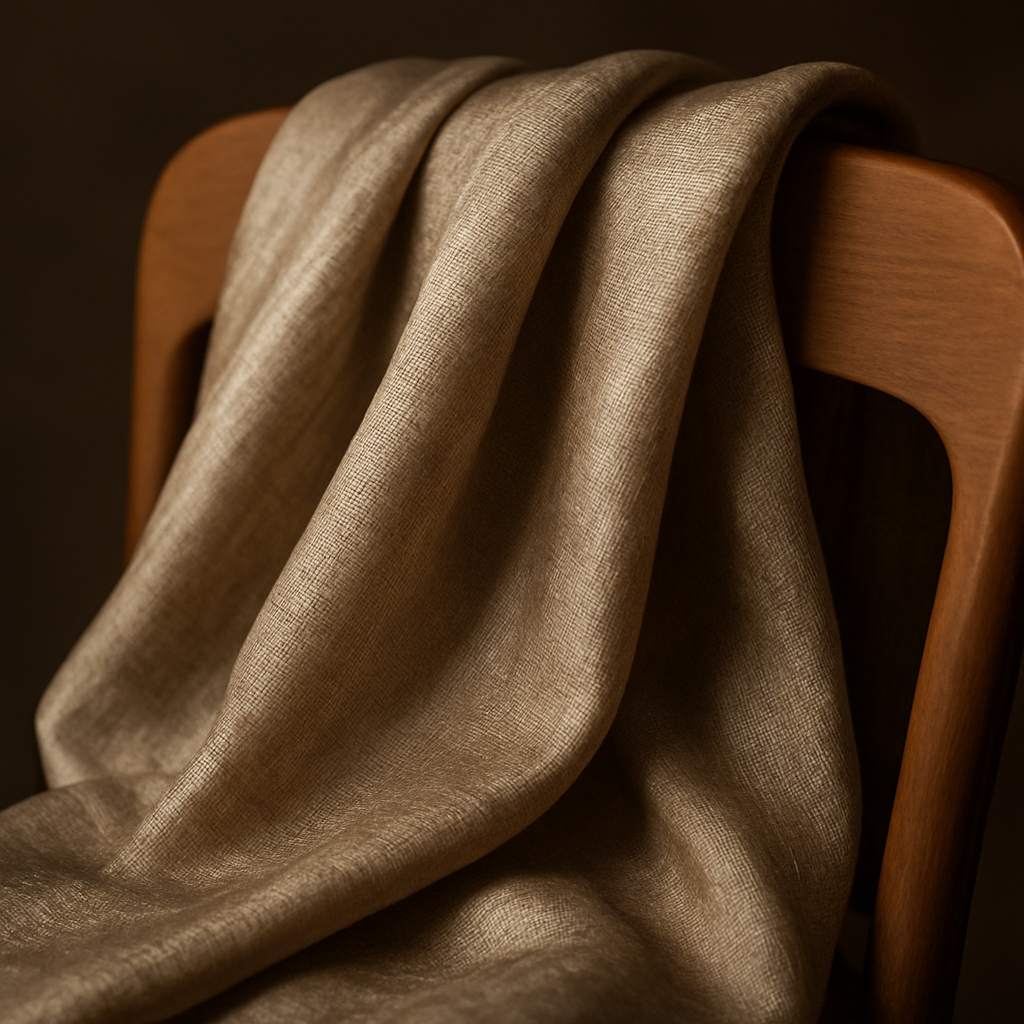
Let’s start with the feeling you get the first time you run your fingers over a genuine silk or cashmere scarf. It’s not just soft – it’s a whisper of heritage, a hint of the hands that wove it, and a promise that the piece will age like a fine wine.
So, what exactly makes a scarf “luxury”? It’s the fibers, the weave, and the story behind each stitch. When you buy a designer scarf for women, you’re not just paying for a pretty accessory; you’re investing in materials that have been cultivated for centuries.
Fiber Foundations
Silk, for instance, comes from the cocoon of the mulberry silkworm. The fibers are naturally smooth, have a subtle sheen, and drape effortlessly. Cashmere, on the other hand, is harvested from the undercoat of Himalayan goats – the result is a feather‑light, warm fabric that feels like a warm hug on a chilly day.
Ever wondered why a silk scarf can feel cooler in summer and still look elegant in winter? It’s because silk breathes. That breathability is a hallmark of high‑quality luxury fibers.
Craftsmanship Counts
Next up is the weave. Hand‑loomed scarves often feature irregularities – tiny variations that tell you a real artisan made them. Those tiny imperfections are not flaws; they’re proof of authenticity. Machine‑produced pieces tend to look too uniform, missing that human touch.
Think about it this way: a hand‑woven paisley pattern isn’t just a design, it’s a series of decisions made by a weaver in real time. Each intersection of thread is a tiny moment of creativity.
But how can you spot true craftsmanship when you’re shopping online? Look for details like hand‑finished edges, a silk label sewn into the seam, or a subtle “hand‑rolled” fringe that only a skilled artisan could achieve.
And if you need a quick visual guide, here’s a short video that walks you through the key things to look for in luxury scarves:
Notice how the video highlights the difference between a high‑gloss silk finish and a matte, lower‑grade imitation. Those visual cues can save you from a costly mistake.
Now, let’s talk about the brands that consistently uphold these standards. While many names claim “luxury,” only a handful truly respect the lineage of their materials. For deeper insight into how designers balance tradition with modern trends, check out Midnight Scriber’s exploration of textile heritage.
When it comes to choosing a scarf that will last, consider the care routine. A silk scarf should be hand‑washed in cool water with a gentle detergent, then laid flat to dry. Cashmere deserves a wool‑safe shampoo and storage in a breathable cotton bag.
Want a tool that helps you track the care schedule for each of your luxury pieces? Scalio’s app offers a simple way to set reminders and log the condition of your accessories over time.
Finally, think about the long‑term value. A well‑maintained designer scarf can retain resale value, especially if it’s from a limited edition or a historically significant collection. RebelGrowth’s market analysis platform often highlights which scarf styles are trending in the secondary market, giving you a glimpse of future resale potential.
Bottom line: Understanding the fiber, the weave, and the maker’s story turns a purchase into a confident investment. When you know what to look for, you’ll never settle for a cheap imitation again.
Step 2: Choosing the Right Style for Your Wardrobe
Okay, you’ve already figured out what makes a scarf feel luxurious—now it’s time to ask yourself, “Which style actually fits my life?” That question is the secret gateway to a wardrobe that feels effortless, not forced.
Identify Your Lifestyle
Take a mental inventory of a typical week. Are you hopping between meetings, brunches, and evening events, or do you spend most days in a creative studio? If your schedule is a blur of boardrooms, you’ll probably love a sleek silk square that slides on like a second skin. If you’re more arts‑y, a drapey cashmere shawl with a loose knot can add drama without trying too hard.
Write down three “go‑to” outfits you already own. Look at the cuts, the colors, the vibes. A good designer scarf for women should echo at least one of those vibes, so you’ll reach for it without a second thought.
So, what’s the next move?
Map Your Color Palette
Colors are the silent language of style. Pull out a few pieces you love—maybe a navy blazer, a caramel trench, or a ruby red dress. Notice the dominant hues. Those become the anchor points for your scarf choices.
When you shop, aim for at least one “bridge” color that links your existing pieces. A deep emerald scarf can tie a teal sweater to a gold‑tone bag, making the whole look feel curated. And don’t forget neutrals: a classic ivory silk never goes out of style and can soften even the boldest patterns.
Does that sound doable?
Play with Patterns & Textures
Patterns can either elevate or overwhelm. If you already wear a lot of prints, reach for a solid‑color scarf that lets your outfit breathe. If your closet is mostly basics, a bold geometric print or a subtle houndstooth can become the focal point.
Texture matters, too. Think about the season—silk for summer breezes, cashmere for chilly evenings. Mixing textures is a pro trick: a silk scarf over a wool coat adds a layer of luxe without extra bulk.
Here’s a quick checklist you can print out:
- Is the pattern complementary or competing?
- Does the texture match the climate?
- Can I style it in three different ways?
Test the Fit & Flow
Before you commit, try the scarf on in front of a full‑length mirror. Do a classic French knot, a relaxed drape, and a casual loop. Notice how the fabric settles on your shoulders and how it moves when you turn.
If you feel a tug or the edges stick, the weight might be off for your body type. A lightweight silk can get lost on a larger frame, while a heavy cashmere might feel bulky on a petite silhouette. The right balance makes the scarf feel like an extension of you, not a separate accessory.
And what about versatility?
Finalize Your Choice
Now that you’ve narrowed down style, color, pattern, and fit, it’s time to pick the piece that checks the most boxes. Trust your gut—if you catch yourself smiling at a scarf in the shop window, that’s a strong signal.
Remember, a well‑chosen designer scarf for women can become a staple you reach for season after season, mixing with new trends while staying timeless.
Ready to add that perfect scarf to your wardrobe? Grab a notebook, jot down these criteria, and start exploring curated collections that align with your style story.
Step 3: Authenticating Designer Scarves – Spotting Quality
Alright, you’ve narrowed down style, color, and fit. Now it’s time to make sure the piece you’re eyeing is the real deal and not a cleverly printed knock‑off. Authenticating designer scarves for women is less about fancy jargon and more about a few tactile clues you can check in seconds.
Feel the Fabric
First thing – run your fingers over the material. Genuine silk should feel cool, smooth, and a touch weighty, like liquid glass. If it slides off your hand like cheap polyester or feels plasticky, walk away. Cashmere or silk‑cashmere blends will have that soft, slightly buttery give, but never a stiff snap.
Notice the drape, too. A high‑quality scarf will fall gracefully, hugging your shoulders without clinging. A flimsy fake will either bunch up or flutter wildly when you move.
Check the Hem
One of the most reliable markers is the edge. Authentic houses such as Hermès and Ferragamo use hand‑rolled, hand‑stitched hems that are plump and roll toward the front of the scarf. Look for a seamless, rounded finish – no visible stitches, no frayed threads.
If you see a flat, machine‑serged edge or mismatched thread color, that’s a red flag. Grey Hall Design’s authentication guide explains how hand‑rolled hems set genuine pieces apart.
Inspect the Print
Luxury scarves are essentially wearable art, so the print quality matters. Real designs boast crisp lines, deep color saturation, and often involve 20‑30 hues woven together. If the pattern looks blurry, pixelated, or the colors bleed into each other, you’re probably looking at a counterfeit.
Pay attention to brand‑specific details – a Hermès piece will often hide “Hermès Paris” within the motif, while a Ferragamo scarf may embed the designer’s signature into the print itself. Those tiny touches are hard to fake.
Look for Labels & Packaging
Most authentic scarves come with a small fabric tag or a care label sewn into the edge. The tag should be neatly stitched, with clear, correctly spelled text stating material (e.g., “100% Silk”) and country of origin (“Made in France”).
Packaging can be a clue but not the sole proof. A genuine Louis Vuitton scarf arrives in an imperial saffron‑yellow dust bag and a sturdy box. If the box looks cheap or the dust bag is missing, be skeptical.
Red Flags to Watch
- Low‑quality feel – polyester sheen or stiff texture.
- Flat, overlocked hems instead of hand‑rolled.
- Blurry, low‑resolution prints.
- Misspelled or absent labels.
- Unrealistic price drops or sellers with vague provenance.
When any of these show up, pause and ask for more proof – a provenance card, an authenticity certificate, or a reputable return policy.
Quick Checklist Before You Click ‘Buy’
Print out or keep this list on your phone:
- Touch test: cool, smooth, weighty silk or soft cashmere?
- Edge check: hand‑rolled, no loose threads?
- Print clarity: sharp, vibrant, no pixelation?
- Label inspection: clear text, correct spelling, material details?
- Packaging: authentic brand box or dust bag?
- Seller credibility: known retailer, official boutique, or verified online marketplace?
If the scarf passes at least five of these six items, you’ve got a solid candidate for your wardrobe. Remember, investing a little extra time now saves you from splurging on a fake later.
So, what’s the next step? Grab your notebook, jot down any doubts, and compare the scarf you love against this checklist. When the details line up, you can confidently add that designer scarf for women to your collection – knowing it’s a piece that will age beautifully and keep its resale value.
Step 4: Caring for and Styling Your Designer Scarves
Now that you’ve nailed authenticity, it’s time to treat your new piece like a little luxury habit. Think of a designer scarf for women as a delicate plant – it thrives with a bit of attention, and it rewards you with endless style possibilities.
Everyday Care Basics
First, give the fabric a gentle rinse. Silk loves cool water and a mild detergent (baby shampoo works fine). Hand‑wash inside‑out, then lay it flat on a clean towel, roll the towel to blot out excess moisture, and let it air‑dry away from direct sunlight. For cashmere, a wool‑specific wash or a professional dry‑cleaning service is safest.
Why the extra step? A quick splash of water removes surface oils from your skin and keeps the fibers supple, preventing that dreaded “stiff‑after‑wear” feeling we all hate.
Storing Like a Pro
When you’re not flaunting it, store the scarf rolled, not folded. Rolling prevents creases and lets the fibers breathe. Slip it into a breathable cotton bag – the original dust bag works great, or you can repurpose a silk pillowcase.
Pro tip: tuck a lavender sachet or cedar block inside the bag. It keeps moths at bay and leaves a subtle scent that makes you smile every time you pull the scarf out.
Seasonal Styling Strategies
Winter? Pair a buttery cashmere shawl with a turtleneck sweater and high‑waisted trousers. The weight of the material adds warmth without bulk, and the soft drape creates an effortless silhouette.
Spring breezes? A lightweight silk square in a bright jewel tone can be knotted loosely around your neck, then let the ends flutter over a denim jacket. It adds a pop of color without overwhelming the outfit.
And for those in‑between days, try a silk‑cashmere blend as a headband. Slip it over a low‑ponytail, and you instantly get that runway‑ready edge without trying too hard.
Three‑Way Styling Cheat Sheet
- Classic French Knot: Fold the scarf in half, loop around your neck, and pull the loose ends through the center. Works for both silk and cashmere.
- Loose Loop: Drape the scarf over one shoulder, let it hang, then pull the opposite ends around your neck and let them rest on the same side. Perfect for a casual coffee date.
- Bag Accent: Tie the scarf around the handle of your handbag. It instantly upgrades a plain tote and ties your look together.
Play with these three and you’ll never feel stuck with “one way to wear it.”
Expert Insight: Mix Textures, Not Patterns
Stylist friends swear by mixing textures instead of clashing prints. Pair a bold, geometric silk scarf with a smooth, monochrome coat – the contrast feels curated, not chaotic. If you love patterns, keep the rest of your outfit in solid neutrals so the scarf remains the star.
One of our clients, Maya, swore by this rule. She paired a vibrant paisley Hermès silk with a simple ivory trench, and the look earned her three compliments at a brunch. “I felt like I was wearing art, not a costume,” she told us.
Cleaning Emergencies
Spilled coffee? Blot, don’t rub. Use a clean, damp cloth and gently dab the stain, then let it air‑dry. For oil stains, sprinkle a bit of cornstarch, let sit for 10 minutes, then brush off. These quick fixes keep the fibers from setting permanent marks.
Remember, the goal isn’t to treat the scarf like a high‑tech gadget; it’s to give it the same love you’d give a favorite sweater.
Integrating Into Your Capsule Wardrobe
If you’re already building a capsule wardrobe (see our guide on how to build a capsule wardrobe you’ll actually love), think of your scarf as the interchangeable piece that adds color and texture without expanding your closet. Choose a neutral ivory or soft gray for everyday wear, then add one statement piece each season to keep things fresh.
So, what’s the next move? Grab your new scarf, give it a gentle hand‑wash, roll it up, and experiment with at least one of the three styling methods above. In a few weeks you’ll notice how a single accessory can shift the mood of an outfit from “meh” to “wow” without any extra shopping.
Step 5: Top Designer Brands & Price Ranges – Comparison Table
Ready to see how the big names stack up when you’re hunting for the perfect designer scarves for women?
We’ve pulled together the brands that most shoppers trust, paired them with the price windows you’ll typically encounter, and highlighted the signature vibe each house brings to the table. Think of it as your quick‑look cheat sheet before you click “add to cart.”
What to look for in a price range
First, remember that a scarf isn’t just a piece of fabric – it’s a blend of heritage, craftsmanship, and material. A $200 piece from a heritage French house often means hand‑rolled hems and a silk sourced from a mill that’s been perfecting dye for generations. A $600‑plus tag usually signals limited‑edition prints or exotic fibers like vicuña or silk‑cashmere blends.
So, how do you decide what fits your budget and style?
Step‑by‑step quick test
- Set a ceiling you’re comfortable with – this prevents impulse splurges.
- Check the brand’s signature: is it bold graphic prints, understated neutrals, or intricate paisley?
- Match the material to your climate – silk for summer breezes, cashmere for winter warmth.
Once you’ve got those basics, the table below does the heavy lifting.
| Brand | Typical Price Range (USD) | Signature Style |
|---|---|---|
| Hermès | $350 – $1,200 | Iconic silk squares with vibrant, hand‑drawn motifs |
| Louis Vuitton | $300 – $950 | Monogram‑styled fabrics and luxe canvas‑silk blends |
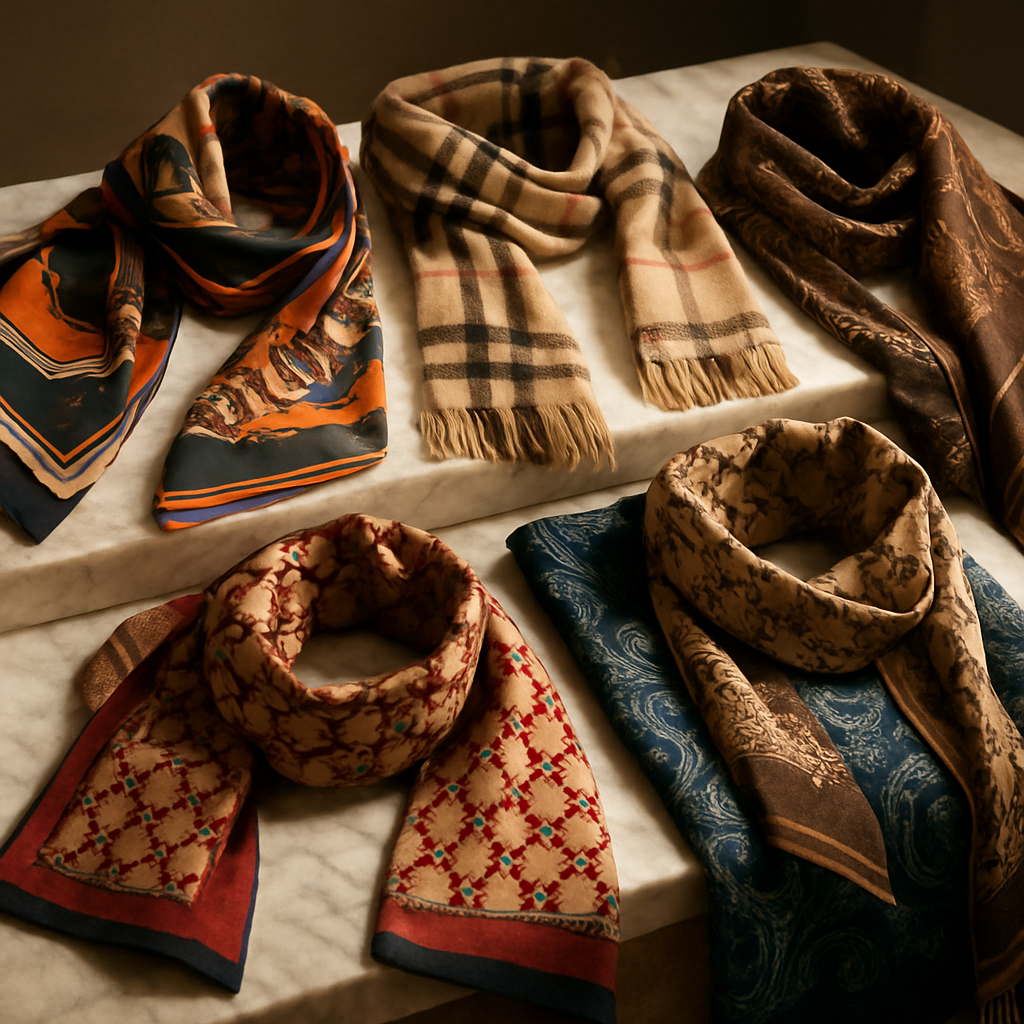
| Burberry | $250 – $750 | Classic checks, trench‑inspired hues, and soft wool‑silk mixes |
| Chanel | $400 – $1,100 | Timeless camellias, elegant tweed‑silk hybrids |
| Gucci | $280 – $850 | Playful GG patterns, bold colors, and modern art prints |
Notice how the ranges overlap? That’s where personal preference wins. If you love a pop of color but don’t want to break the bank, a Burberry check can sit comfortably at $300 and still feel luxurious.
And what about the “in‑between” brands that often slip under the radar? Smaller houses like Etro or Missoni offer gorgeous woven silk at $200‑$500, delivering artisanal patterns without the Hermès price tag.
Real‑world tip: mix and match
Imagine you’ve just snagged a $380 Hermès silk. Pair it with a more affordable cashmere coat from a lesser‑known Italian maker – the scarf instantly elevates the whole outfit, while the coat keeps the overall spend sensible.
Or flip it: start with a $260 Burberry check, then save up for a $950 Louis Vuitton monogram piece for a special occasion. The key is building a mini‑wardrobe of scarves that speak to different moods.
Does this help you visualize a budget plan?
Here’s a quick checklist you can paste into your phone notes:
- Set a max spend per scarf (e.g., $500).
- Pick two brands that fall inside that range.
- Identify the signature style you’re drawn to.
- Test the material against your seasonal needs.
- Buy the one that checks at least three of the four boxes.
When you follow those steps, you’ll walk away with a scarf that feels like a personal investment, not a fleeting trend.
Now that you’ve got the numbers and the style cues, the next move is simple: head to a trusted boutique like Mara Formigone, filter by your price window, and let the textures do the talking. Happy scarf hunting!
FAQ
How can I tell if a designer scarf for women is authentic when I’m shopping online?
First, zoom in on the hem – genuine pieces have a hand‑rolled edge that’s slightly rounded and free of loose threads.
Next, check the label: the font, spelling, and material details (e.g., “100% Silk, Made in France”) should match the brand’s official wording.
Finally, read the product description for provenance info and look for high‑resolution photos that show the weave. If anything feels vague, ask the seller for an authenticity card.
What fabrics work best for designer scarves for women in each season?
In summer, lightweight silk or silk‑cotton blends breathe and catch the light without adding heat, making them perfect for brunches or garden parties.
When autumn rolls around, a silk‑cashmere mix gives you that buttery feel while adding a touch of warmth for cooler evenings.
Winter calls for pure cashmere or alpaca – the fibers are ultra‑soft, trap heat, and still drape elegantly over coats or sweaters.
How do I style a silk designer scarf for women at a casual work environment?
Start with a classic French knot: fold the square in half, loop it around your neck, and pull the loose ends through the center. It adds polish without looking formal.
Pair the scarf with a tailored blazer and a simple blouse; let the silk’s sheen become the focal point while the rest of the outfit stays neutral.
If you want a relaxed vibe, drape the scarf loosely over one shoulder and let the ends hang, letting the pattern peek out just enough to spark conversation.
What’s a realistic price range for a quality designer scarf for women without breaking the bank?
Think of $200–$500 as the sweet spot for authentic luxury. In that window you’ll find hand‑rolled hems, genuine silk or cashmere, and brand‑specific detailing.
If you’re chasing limited‑edition prints or exotic fibers like vicuña, expect to spend $600 or more. The key is to set a ceiling that aligns with your budget and then prioritize material and craftsmanship over hype.
How should I care for my cashmere designer scarf for women to keep it looking new?
Hand‑wash in lukewarm water with a gentle wool detergent, then lay flat on a clean towel and roll to remove excess moisture. Avoid wringing – the fibers can stretch.
Store rolled in a breathable cotton bag, preferably with a lavender sachet or cedar block to deter moths.
If you’re pressed for time, a professional dry‑cleaning service that specializes in cashmere is a safe alternative.
Can I mix and match designer scarves for women with other accessories without looking overdone?
Yes – the trick is to let one element shine. If your scarf is bold and patterned, keep other accessories (bags, shoes, jewelry) in solid neutrals.
Conversely, a solid‑color silk can be paired with a statement bag or a patterned hat for a balanced look. Think of texture, not just color, to add depth without clutter.
Start with the scarf as the anchor, then build outward – you’ll avoid the “too much” feeling.
How do I choose scarf colors that complement my skin tone?
Warm undertones glow in earthy hues like amber, terracotta, and olive, while cool undertones sparkle in jewel tones such as sapphire, emerald, and icy blues.
If you’re unsure, hold the scarf up to your jawline; if it makes your skin look radiant, you’ve hit the sweet spot. Neutral shades like ivory or charcoal work universally and can be a safe entry point.
Experiment with a few options and notice which ones draw compliments – that’s your personal color code.
Conclusion
We've taken a quick tour of everything that makes designer scarves for women worth the splurge – from the buttery feel of cashmere to the hand‑rolled edges that whisper luxury.
So, what’s the next step? Grab a notebook, jot down the three criteria that mattered most to you – material, craftsmanship, and how the piece fits your lifestyle – and head to Mara Formigone. You’ll find authentic, brand‑new scarves that check those boxes without the guesswork.
Remember, a great scarf does more than finish an outfit; it boosts confidence, adds texture, and can become a conversation starter on a coffee date or a boardroom meeting. Think of it as an investment in yourself that ages beautifully.
And if you ever feel overwhelmed, go back to the simple checklist we built together: feel the fiber, inspect the hem, verify the label, and consider how you’ll style it in three different ways. When those boxes line up, you’ve found a piece that will serve you season after season.
Ready to make that timeless addition? Browse the curated collection, pick a shade that sings to your skin tone, and let the scarf become your new style secret weapon.