

How to mix high and low fashion for unique style
Mixing designer pieces with affordable fashion can feel like walking a tightrope. You want your outfit to look intentional and polished, not like you grabbed random items from different closets. The secret lies in understanding how to balance statement luxury pieces with versatile basics, creating looks that reflect your personal style without breaking the bank. This guide will walk you through everything you need to prepare, how to style effectively, common mistakes to avoid, and how to finalize your unique mixed fashion looks with confidence.
Table of Contents
- Key takeaways
- What you need before mixing high and low fashion
- Step-by-step guide to mixing high and low fashion
- Common mistakes and how to avoid them
- Finishing touches and verifying your mixed fashion look
- Discover stylish pieces to mix high and low fashion
- Frequently asked questions about mixing high and low fashion
Key Takeaways
| Point | Details |
|---|---|
| Know wardrobe goals | Identify what you own and your style aims before mixing to guide piece selection. |
| Balance luxury with basics | Pair a statement luxury item with simple affordable essentials to create a cohesive look. |
| Avoid over accessorizing | Avoid over accessorizing and clashing styles to keep the outfit focused. |
| Polished adaptable styling | Thoughtful styling creates polished looks that work for any occasion. |
What you need before mixing high and low fashion
Before you start creating outfits, you need to understand what you already own and what gaps exist in your wardrobe. Take inventory of your current pieces, separating them into luxury items and affordable basics. This visual assessment reveals whether you lean too heavily toward one end of the spectrum and helps you identify versatile pieces that work across multiple outfits.
Defining your personal style goals is equally critical. A clear style goal helps in selecting complementary luxury and affordable pieces that work together seamlessly. Are you aiming for classic elegance, edgy street style, or romantic femininity? Your answer shapes which designer items deserve investment and which affordable pieces provide the best support. Without this clarity, you risk buying beautiful items that never quite fit into your existing wardrobe.
Gather your essential building blocks from both price points. You need versatile basics like well-fitted jeans, classic tees, and neutral blazers from affordable designer clothes for women retailers. Pair these with statement pieces such as designer handbags, luxury shoes, or high-end outerwear that become focal points. The table below categorizes key pieces by type, helping you organize your wardrobe strategically.
| Piece Type | Luxury Investment | Affordable Basic | Occasion |
|---|---|---|---|
| Outerwear | Designer leather jacket | Classic trench coat | Evening, casual |
| Tops | Silk blouse | Cotton tees, basics | Work, weekend |
| Bottoms | Tailored trousers | Denim jeans | Versatile |
| Accessories | Statement handbag | Simple jewelry | All occasions |
| Footwear | Designer heels | White sneakers | Formal, casual |
Create a digital or physical inspiration board to visualize potential outfit combinations. Pin images that showcase the mixing style you admire, noting which elements make each look successful. This reference becomes invaluable when you feel stuck or uncertain about pairing decisions.
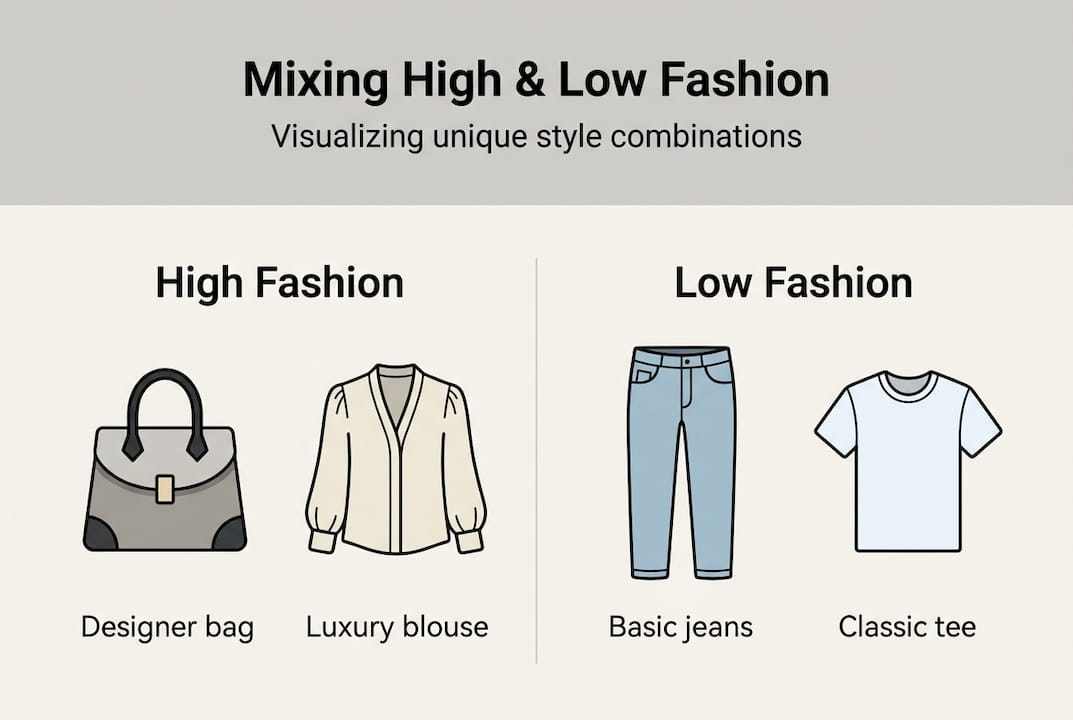
Pro Tip: Photograph your wardrobe pieces on a neutral background and create a digital catalog on your phone. This makes it easier to experiment with combinations virtually before getting dressed, saving time and reducing decision fatigue.
Consider the color palette that runs through your wardrobe. Successful mixing often relies on a cohesive color story that ties expensive and budget pieces together. Neutrals like black, white, navy, and beige provide safe foundations, while one or two accent colors add personality without creating chaos. When you understand these preparatory elements, you set yourself up for styling success with styling tips for designer clothes that actually work in real life.
Step-by-step guide to mixing high and low fashion
Creating balanced outfits requires a systematic approach that prevents common pitfalls while maximizing the impact of your investment pieces. Follow these steps to build cohesive looks that blend price points seamlessly.
- Select your statement luxury piece first. This becomes your outfit anchor, whether it’s a designer blazer, luxury handbag, or high-end shoes. Everything else should complement this focal point.
- Choose neutral affordable basics as your foundation. A simple white tee, classic jeans, or basic tank top provides clean canvas that lets your luxury piece shine.
- Add one transitional piece that bridges the gap. This might be a mid-range belt, scarf, or cardigan that connects your statement item to your basics visually.
- Layer strategically to create depth. Mixing textures like silk with cotton or leather with denim adds visual interest without requiring multiple expensive pieces.
- Limit your accessories to maintain elegance. One statement piece means minimal additional jewelry or bags to avoid competing focal points.
Balancing a bold designer item with simple low-cost pieces enhances outfit cohesion and prevents your look from feeling costume-like. The key is restraint. When you wear a luxury logo bag, pair it with understated clothing. When you invest in designer shoes, keep your outfit simple to let the footwear speak.
Key styling principles to remember:
- Never mix more than two bold patterns in one outfit
- Keep luxury logos minimal to avoid looking logo-obsessed
- Ensure proper fit on all pieces regardless of price point
- Match formality levels between high and low items
- Use the rule of thirds: one statement piece, two supporting pieces
Layering creates opportunities to showcase multiple pieces without overwhelming your frame. A designer jacket over an affordable dress, or luxury jewelry with a basic sweater, demonstrates intentional styling. Pay attention to proportions, ensuring that bulky items don’t swallow your silhouette and fitted pieces don’t create awkward bunching.
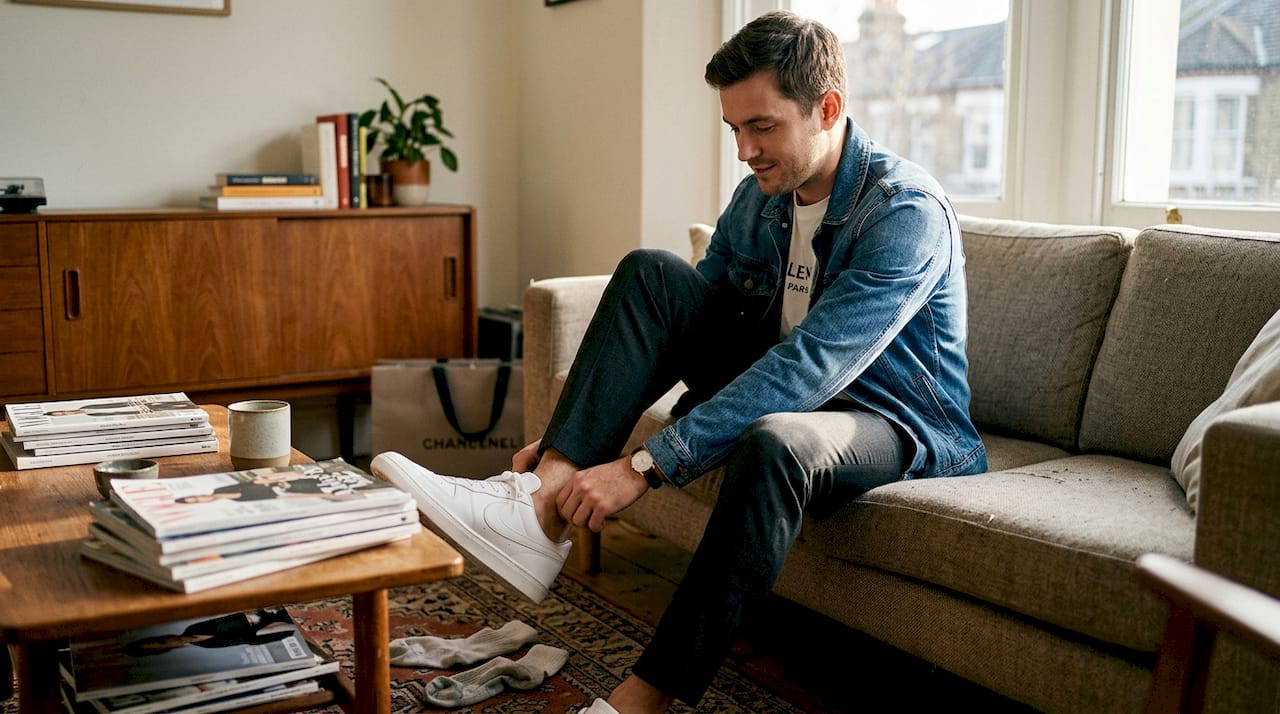
When you refresh seasonal wardrobe with luxury pieces, think about versatility. A designer blazer should work with jeans and tailored trousers. Luxury shoes should transition from office to evening. This maximizes your cost per wear and justifies the investment.
Pro Tip: Incorporate one bold color or pattern to unify different price points visually. A red designer handbag paired with a red affordable scarf creates intentional coordination that makes your outfit look curated rather than random.
Building a fashion wishlist for luxury wardrobe helps you make strategic purchases instead of impulsive buys. Focus on timeless pieces that complement your existing affordable basics, creating maximum outfit combinations with minimal investment.
Common mistakes and how to avoid them
Even experienced fashion enthusiasts make errors when mixing price points. Recognizing these pitfalls helps you sidestep them and maintain polished, intentional looks.
The most frequent mistake is treating expensive pieces carelessly while obsessing over affordable items. Your designer handbag deserves proper storage and maintenance, while your budget jeans can handle regular wear. This imbalance often results in luxury items losing their appeal while basics look pristine, creating visual confusion in your outfits.
Over-accessorizing or mismatching styles can dilute the impact of mixed outfits by creating visual noise that distracts from your carefully chosen pieces. When every element competes for attention, nothing stands out. The table below contrasts common mistakes with their corrective actions.
| Mistake | Why It Fails | Corrective Action |
|---|---|---|
| Mixing too many patterns | Creates visual chaos | Limit to one pattern, keep rest solid |
| Ignoring fit quality | Cheap-looking regardless of price | Tailor affordable pieces for perfect fit |
| Logo overload | Appears try-hard | Choose one subtle logo item maximum |
| Clashing formality levels | Looks unintentional | Match dress codes across all pieces |
| Neglecting color harmony | Outfit feels disjointed | Stick to cohesive color palette |
Another common error is assuming expensive automatically means better for every category. Sometimes affordable basics in classic styles outlast trendy designer pieces. A well-made budget white shirt often serves you better than a luxury trendy top that dates quickly. Focus your investment on timeless pieces with superior craftsmanship, not fleeting trends.
Poor fit ruins even the most expensive clothing. A perfectly tailored affordable dress beats an ill-fitting designer piece every time. Invest in alterations for your budget items to ensure they hang properly and flatter your body. This small expense dramatically elevates how your entire outfit reads to others.
Quick style-check checkpoints before leaving home:
- Check proportions in full-length mirror from all angles
- Verify no more than three colors in entire outfit
- Ensure one clear focal point exists
- Confirm comfort level allows natural movement
- Ask if outfit matches occasion appropriateness
- Remove one accessory if feeling overdone
Many people also make the mistake of mixing eras or aesthetics without intention. A bohemian designer bag rarely works with minimalist affordable clothing unless you deliberately create an eclectic look. When you understanding high-end style, you realize that successful mixing requires aesthetic consistency even across price points.
Avoid the trap of buying luxury items just for the label. If the piece doesn’t fit your lifestyle or existing wardrobe, it becomes an expensive mistake. Similarly, don’t dismiss affordable designer clothes for women that offer excellent quality at accessible prices. Smart shopping means recognizing value regardless of price tag.
Finishing touches and verifying your mixed fashion look
The final evaluation separates good outfits from great ones. After assembling your look, step back and assess it with fresh eyes using natural lighting near a window. Artificial lighting can mask color clashes or fit issues that become obvious in daylight.
Final outfit verification checklist:
- Fit: Nothing pulls, gaps, or bunches awkwardly
- Balance: Visual weight distributes evenly across your frame
- Cohesion: All pieces share a common style thread
- Occasion: Outfit matches where you’re going and what you’re doing
- Comfort: You can move, sit, and breathe naturally
- Confidence: You feel like the best version of yourself
Pro Tip: Use natural lighting and mirror checks to spot mismatches that indoor lighting hides. Take a photo on your phone and review it, as cameras often reveal proportion issues your eye misses in person.
Final style checks improve confidence and help maintain a polished appearance when combining luxury and affordable items. When something feels off, trust your instincts. Often the solution is removing one element rather than adding more. Simplification usually improves mixed outfits.
Consider the overall silhouette your outfit creates. Does it flatter your body type and create the proportions you want? A boxy designer top might require fitted affordable bottoms for balance, while wide-leg budget trousers pair best with a sleek luxury top. This interplay between pieces matters more than individual item quality.
“Confidence is the best accessory you can wear. When you feel good in your outfit, that energy radiates and makes even mixed price points look intentional and stylish. Trust your choices and wear them with conviction.” — Fashion Stylist Expert
Verify that your outfit tells the story you want to communicate. Professional settings might require more subtle mixing, while creative environments allow bolder combinations. Your outfit should feel authentic to your personality and appropriate for your context.
Before finalizing, do a movement test. Sit down, raise your arms, walk around. Clothing that looks perfect while standing still can reveal problems during normal activity. This practical check prevents wardrobe malfunctions and ensures all-day comfort.
When you master these finishing touches, you develop an eye for successful mixing that becomes second nature. You’ll start recognizing what works before you even put it on, making getting dressed faster and more enjoyable. The goal is creating a wardrobe where high and low pieces integrate so seamlessly that price becomes irrelevant to the overall impact.
Discover stylish pieces to mix high and low fashion
Ready to build a wardrobe that effortlessly blends luxury and affordability? MaraFormigone offers carefully curated pieces that make mixing high and low fashion simple and stylish. Whether you need statement designer items or versatile basics, you’ll find options that work together seamlessly.
Start with a statement piece like the Harmont&Blaine polo styles that brings designer quality to casual looks. These polos pair perfectly with affordable denim or tailored trousers, creating polished outfits that transition from weekend brunches to casual Fridays.
Balance your investment pieces with smart basics like the Lee sweatshirts collection, offering quality and comfort at accessible prices. These foundational pieces let your luxury accessories and designer shoes take center stage while providing the neutral canvas every mixed outfit needs. Explore the full range at MaraFormigone to discover how easy creating unique, personalized style can be when you have the right pieces in your wardrobe.
Frequently asked questions about mixing high and low fashion
How to choose which high-end piece to invest in when mixing with affordable fashion?
Invest in items you’ll wear frequently and that have lasting style beyond seasonal trends. Classic designer handbags, quality leather shoes, and timeless outerwear offer the best return because they elevate multiple affordable outfits and maintain value over years. Prioritize pieces in neutral colors that complement your existing wardrobe rather than trendy items that limit outfit options.
Can I mix multiple luxury items with low-cost pieces in one outfit?
Yes, but maintain balance by ensuring affordable pieces still outnumber luxury items. Two designer pieces like shoes and a bag can work with budget clothing, but three or more luxury items risk looking costume-like unless your entire wardrobe operates at that level. The key is making your high-end pieces feel integrated rather than displayed.
What affordable basics work best with designer clothing?
Well-fitted jeans, classic white tees, simple black trousers, and neutral knit sweaters provide the best foundation. These pieces offer clean silhouettes that don’t compete with luxury items while maintaining quality appearance. Focus on excellent fit and classic cuts rather than trendy details, ensuring your basics remain relevant as your designer collection grows.
How often should I refresh my wardrobe to maintain a balanced high-low style?
Review your wardrobe seasonally, replacing worn affordable basics while gradually adding one or two investment pieces per year. This approach maintains freshness without requiring constant shopping or major expense. Focus on filling gaps identified during your outfit planning rather than buying impulsively, ensuring each addition serves multiple styling purposes.
What are quick fixes if my outfit looks unbalanced after mixing?
Remove your most eye-catching piece and reassess. Often outfits improve with subtraction rather than addition. Swap bold items for neutral alternatives, change proportions by tucking or untucking tops, or add a simple belt to define your waist and create better visual balance. When in doubt, simplify and let one element shine while others support. Explore best designer brands for women for investment pieces that consistently elevate mixed outfits.
Recommended
- How to Style Denim: Luxury Tops, Boots, and Sandals for Events – MaraFormigone
- Styling tips for designer clothes: 5 expert essentials 2026 – MaraFormigone
- What is luxury fashion: Understanding high-end style in 2026 – MaraFormigone
- Step-by-step fashion wishlist for luxury wardrobe 2026 – MaraFormigone


