
Ever stared at a sleek Prada nylon bag and wondered if it’s the real deal or a clever knock‑off?
You’re not alone—those subtle details can feel like a secret code you’ve never learned.
In this intro we’ll walk through why authenticating a Prada nylon bag matters and how you can spot the difference before you click “add to cart.”
First, picture the moment you unbox that bag: the weight in your hand, the soft rustle of the nylon, the faint scent of fresh leather trim.
Those sensory cues are the first clues, but the real proof lives in the stitching, hardware, and branding details that only a seasoned eye catches.
Let’s break down the most common red flags that turn excitement into doubt.
One thing we’ve seen time and again is inconsistent logo placement.
On a genuine Prada nylon bag, the logo is embossed, perfectly centered, and the font is crisp without any pixel‑like roughness.
If the lettering looks slightly off‑center or the edges are fuzzy, that’s a warning sign.
Another tell‑tale is the hardware.
Prada uses high‑polish, solid metal zippers and clasps that feel weighty and move smoothly without squeaking.
A cheap replica often has plastic‑coated metal that feels flimsy and may stick or grind.
Don’t forget the interior lining.
Authentic bags feature a smooth, uniform nylon with the Prada name printed in a subtle, repeatable pattern.
If the lining looks uneven, the print is misaligned, or the colour shifts across panels, you’re likely looking at a copy.
So, how do you turn these observations into confidence?
We recommend a quick checklist: compare the logo, test the hardware, examine the stitching and lining, and, if possible, cross‑reference the serial tag with Prada’s official records.
When you follow these steps, you’ll move from guesswork to certainty.
Ready to put this knowledge to work?
Stick with trusted sources, ask for detailed photos, and never settle for a price that feels too good to be true.
In the sections ahead we’ll dive deeper into each checkpoint, give you photo examples, and share the exact questions to ask sellers.
TL;DR
Our quick TL;DR shows you how to authenticate Prada nylon bag by checking logo placement, hardware weight, stitching precision, and interior lining consistency. Follow these four checkpoints, compare serial tags, and trust vetted sources so you can buy confidently without fear of costly fakes and enjoy your new luxury piece.
Step 1: Examine the Nylon Material and Stitching
Imagine you’ve just slipped a Prada nylon tote into your hands. The first thing you notice is that soft, almost whisper‑like rustle of the fabric. That sound is your first clue – genuine nylon has a subtle, uniform texture that feels both lightweight and surprisingly sturdy.
So, how do you turn that feeling into proof?
Start by holding the bag up to the light. Real Prada nylon reflects a consistent sheen; there are no patchy gloss spots or matte patches that look like they were painted on. If you see uneven shine, it’s a red flag.
Next, run your fingertips along a seam. Authentic stitching is tight, even, and sits flush against the material. Each stitch should be perfectly aligned, with no loose threads popping out like tiny rebels.
Do you ever wonder why some replicas look so convincing at first glance? The trick they use is to cut corners on the stitching density. On a genuine piece, the stitch count per inch is higher – you’ll feel a denser, smoother line. If it feels like a loose row of beads, walk away.
Here’s a quick checklist you can use on the spot:
- Check for a uniform, slightly lustrous finish under natural light.
- Feel the seam – stitches should be tight, even, and sit flat.
- Look for consistent stitch spacing; gaps mean it’s likely a fake.
- Give the fabric a gentle pinch – genuine nylon has a faint give but snaps back quickly.
In our experience, the most common mistake shoppers make is focusing only on the logo and ignoring the fabric’s behavior. The material is the foundation; if it’s off, the rest of the bag won’t hold up under daily use.
Want to see a live demonstration? Below is a short video that walks you through each of these tactile tests, so you can compare your own bag side‑by‑side.
After you’ve watched the video, take a moment to actually feel your bag. The difference between theory and practice is where confidence is built.
Another tip: grab a small, white cloth and lightly rub the nylon. Real Prada nylon won’t leave any residue or change color. If you notice a faint grey or white streak, that’s synthetic filler trying to mimic the look.
And remember, the stitching isn’t just about looks – it’s a structural element. Poor stitching can lead to seams opening after just a few uses, which is something you definitely want to avoid when you’re investing in a luxury piece.
When you’re shopping online, ask the seller for high‑resolution close‑ups of the stitching and material. A reputable source will gladly provide them, because they know genuine bags stand up to scrutiny.
Finally, trust your instincts. If something feels off – literally and figuratively – pause and double‑check. It’s better to spend a few extra minutes than to end up with a counterfeit that will disappoint you later.
Ready to move on? Once you’ve confirmed the material and stitching, the next step is to examine the hardware and metal finishes.
Step 2: Verify the Logo, Hardware, and Zippers
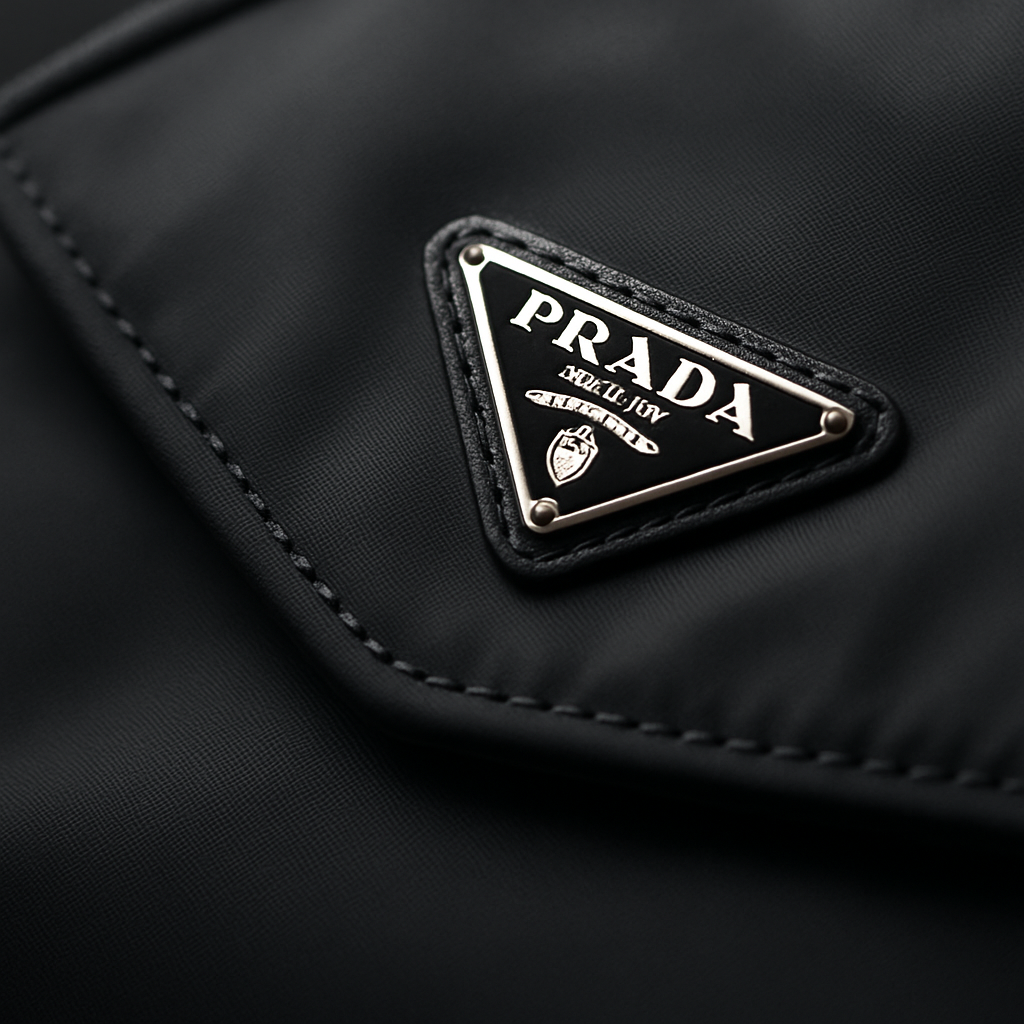
When you’ve already felt the nylon and checked the stitching, the next thing that can either confirm authenticity or raise a red flag is the branding and metalwork. The logo, the zipper pulls, and every clasp should scream “Prada” the way a well‑tuned piano hits the right note.
Logo placement and font fidelity
First, run your fingers over the embossed Prada wordmark. On a genuine piece the letters are perfectly centered, the depth is consistent, and the font matches the iconic sans‑serif typeface that Prada has used for decades. If the logo looks a little off‑center, the edges are fuzzy, or the spacing feels uneven, you’re probably looking at a copy.
In our experience, even a tiny mis‑alignment of 1–2 mm can be a giveaway. Grab a ruler or use the tip of a credit card to measure the distance from the logo’s outer edge to the nearest seam; genuine bags keep that gap uniform on all sides.
One real‑world example we’ve seen: a buyer posted a photo of a Mini Re‑Edition 2000 where the “P” was slightly lower than the “r” and the font had a subtle serif‑like flourish. The difference was enough for an expert to spot the fake instantly.
Hardware – metal versus plastic
Prada rarely uses plastic‑coated hardware on its nylon bags. Look for a solid, heavy‑feeling metal that doesn’t squeak when you open it. The finish should be high‑polish and free of discoloration. If the piece feels light, feels like it might bend, or leaves a faint metallic taste, you’ve probably got a replica.
The brand partners with reputable zipper manufacturers such as YKK, Lampo, and Riri. A quick way to verify is to examine the zipper pull: genuine Prada zippers often have the brand name subtly engraved or stamped in clean lettering. Counterfeit versions might have misspelled “Prda” or a generic “YKK” logo that looks off‑center.
According to a FASHIONPHILE guide, authentic Prada bags use only high‑quality zippers that glide smoothly without catching. If you feel resistance or a grinding sound, that’s a red flag.
Clasps, buckles, and metal accents
Beyond zippers, check every clasp, snap, and decorative metal plate. The metal should feel dense; a quick thumb‑press should not dent the surface. Look for clean, laser‑etched logos on metal parts – they’re crisp, not blurred.
Take the popular Prada Re‑Nylon crossbody as an example: the side‑chain strap hardware is a polished silver that matches the bag’s overall tone. When a counterfeit uses a gun‑metal finish that clashes with the nylon, the inconsistency becomes obvious.
Another tip: hold the bag under a bright light and watch how the metal reflects. Genuine Prada metal reflects evenly, while cheaper alloys produce patchy, uneven glints.
Actionable checklist
- Inspect the logo: centered, crisp font, no fuzzy edges.
- Measure logo‑to‑seam distance for uniformity.
- Feel the hardware: heavy, solid, smooth movement.
- Check zipper pull branding: correct spelling, clean engraving.
- Test zipper glide – no squeak or catch.
- Examine clasps and plates: dense metal, even reflection, laser‑etched logo.
- Use a magnifying glass or phone camera to spot micro‑scratches on metal.
Once you’ve run through this list, you should have a much clearer picture of whether the bag is authentic. If anything feels off, trust that instinct and keep looking – a genuine Prada nylon bag will pass all these tests without hesitation.
And remember, buying from a vetted source like Mara Formigone removes much of this guesswork, because every piece we list has already cleared these exact checkpoints.
Step 3: Assess Serial Numbers, Authenticity Cards, and Dust Bags
Alright, you’ve already felt the nylon, checked the stitching, and gave the hardware a good once‑over. Now it’s time to dig into the paperwork and the little extras that usually travel with a genuine Prada nylon bag. This is the part where most fakes fall apart because counterfeiters either skip the paperwork altogether or print a cheap copy that doesn’t survive close inspection.
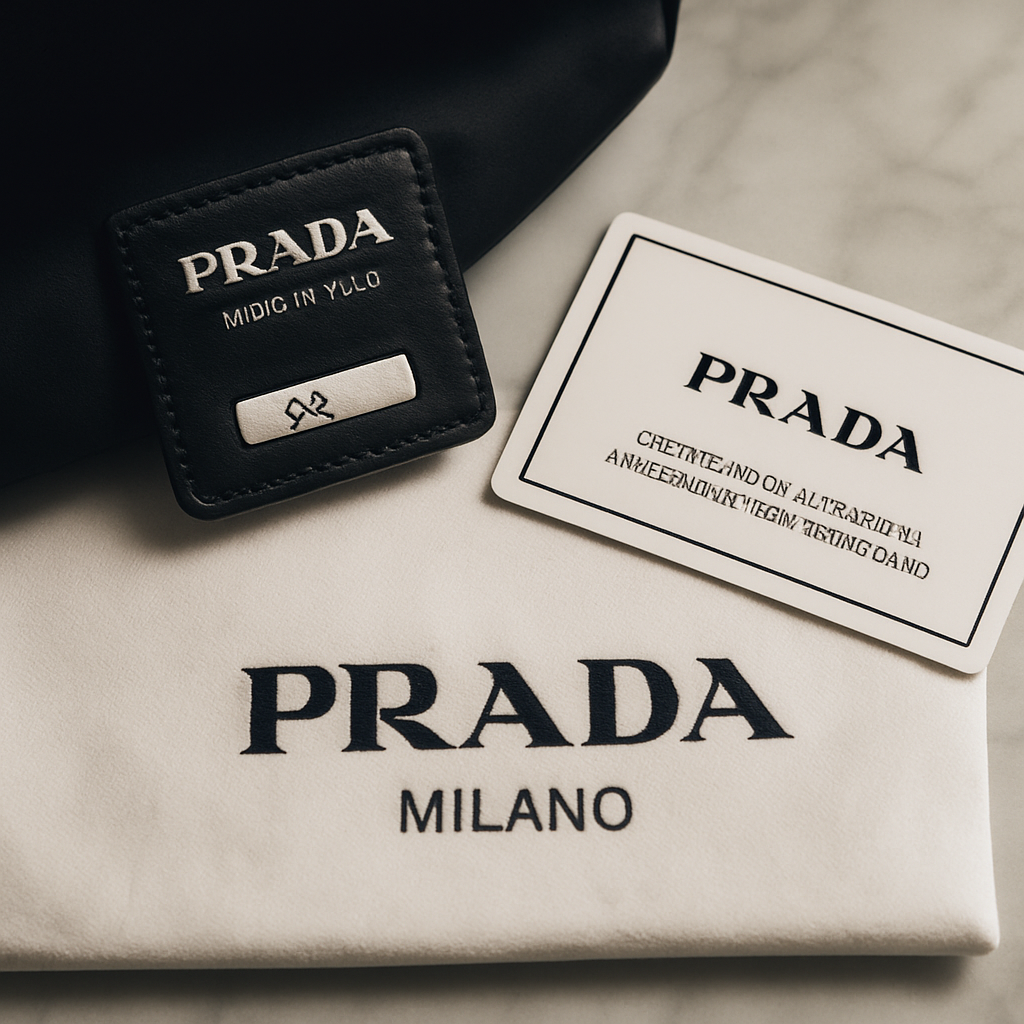
First thing’s first: locate the serial number. It’s usually stitched into a small, white fabric tag hidden inside a seam—often on the interior pocket or along the side seam. The number is a string of letters and digits, something like AA1234567. Genuine Prada tags use a clean, sans‑serif font and the stitching around them is tight, without loose threads.
So, how do you know if that string of characters is legit? A quick way is to cross‑reference it with Prada’s own verification service. You can email Prada’s customer care with the serial number and the details from the authenticity card; they’ll confirm whether that batch was produced in the claimed factory. The Revury’s guide on Prada authenticity cards walks you through the exact format of the serial tag and shows examples of what a real tag looks like.
What to look for on the Authenticity Card
The authenticity card is a plastic card that looks a lot like a credit card. On the front you’ll see the Prada logo, the words “Authenticity certificate” in both English and Italian, and a blank space for the sales associate to write the purchase date and store location. The back is usually plain, but some cards include a tiny barcode that matches the serial number on the tag.
Key red flags:
- More than one card in the envelope – genuine bags come with a single set.
- Logo without the subtle “notch” in the “R” or the overhanging leg on the “A” – these tiny details are easy to miss but tell‑tale signs of a fake (see Bag Religion’s logo checklist).
- Misspelled words or blurry printing – authentic cards are crisp, high‑resolution.
When you hold the card, the plastic should feel sturdy, not flimsy or papery. Run your thumb over the surface; a genuine card has a slightly textured finish that resists fingerprints.
Dust bag – more than just a pretty pouch
The dust bag is often overlooked, but it’s a subtle authenticity marker. Prada’s dust bags are made from a soft, matte fabric that matches the bag’s colour palette. The stitching along the edges is double‑stitched and the brand logo is either embroidered or printed in a muted tone that doesn’t shine.
Common counterfeit clues:
- Glossy, cheap‑looking fabric that feels like a cheap polyester.
- Logo printed with a cheap screen‑print that peels after a few washes.
- Loose or uneven stitching – genuine bags have tight, uniform stitches.
Because the dust bag is stored with the bag, it’s a great place to double‑check details you might have missed in the bag itself. Pull it out, feel the texture, and compare the logo placement to the bag’s hardware.
Actionable checklist for this step
- Find the serial‑number tag inside a seam; note the exact alphanumeric code.
- Verify the serial number with Prada’s customer service or through a trusted third‑party verification tool.
- Inspect the authenticity card: single card, crisp logo with correct notch, no misspellings.
- Check the card’s plastic weight – it should feel solid, not flimsy.
- Examine the dust bag: matte fabric, double‑stitched edges, logo that matches the bag’s hardware.
- Match the serial number on the tag with the number (if any) printed on the authenticity card.
Got everything matching up? You’re probably looking at a genuine piece. If something feels off, trust your instinct and keep digging – a counterfeit will usually trip up on at least one of these details.
| Item | What to Look For | Red Flag |
|---|---|---|
| Serial Number Tag | Clean font, tight stitching, alphanumeric code like AA1234567 | Blurry printing, loose threads, missing tag |
| Authenticity Card | Single card, crisp Prada logo with notch, solid plastic | Multiple cards, misspelled logo, flimsy paper |
| Dust Bag | Matte fabric, double‑stitched edges, logo that matches hardware | Glossy cheap fabric, peeling logo, uneven stitching |
In our experience at Mara Formigone, the items that pass all three of these checks almost always turn out to be authentic. That’s why we always request clear photos of the serial tag, authenticity card, and dust bag before finalising any purchase. It saves you from the heartache of discovering a fake after you’ve already hit “add to cart.”
Take a moment now to run through the checklist with the bag you’re eyeing. The peace of mind you get from knowing every detail lines up is worth the extra few minutes of scrutiny.
Step 4: Test the Bag’s Functionality and Feel
Now that you’ve verified the materials, hardware, and paperwork, it’s time to see how the bag behaves when you actually use it. Think of this step as the “road test” – if the car feels shaky, you wouldn’t buy it, right?
Functionality is the silent proof that a Prada nylon bag was built to last. A genuine piece won’t just look right; it will move, fold, and sit in your hand the way a well‑engineered accessory should. That’s the difference between a fleeting fashion moment and a lifelong wardrobe staple.
Open and close with confidence
Start by unzipping and zipping the main compartment a few times. The zipper should glide smoothly, without catching or producing a metallic squeak. If you feel resistance or hear a grinding sound, you’re likely dealing with cheap metal or a poorly aligned tooth.
Next, test any magnetic snaps, clasps, or pull‑tab closures. Press them together – they should meet with a firm, satisfying click and stay closed without wobbling. A loose snap is a classic counterfeit red flag because lower‑grade alloys don’t hold tension well.
Strap comfort and adjustability
Slide the shoulder strap over your shoulder and walk a few steps. Authentic Prada straps feel sturdy yet have a slight give, thanks to solid metal hardware and reinforced stitching. If the strap feels flimsy, bends under its own weight, or the adjuster slides freely, that’s a sign of a replica.
Adjust the length and feel the lock. The metal slider should stay where you set it; a plastic slider will slip, leaving the bag hanging awkwardly. For cross‑body styles, swing the bag across your torso – does it sit comfortably without digging into your collarbone?
Weight distribution and overall heft
Pick up the bag empty and note the weight. Prada’s Re‑Nylon bags carry a noticeable, pleasant heft because of dense nylon and solid metal hardware. A bag that feels feather‑light is often made from thin fabric and hollow metal, which are typical shortcuts for fakes.
Now, add a few everyday items – your phone, wallet, maybe a lipstick. The bag should distribute the load evenly, and the bottom should stay level rather than tilting or sagging. Uneven weight distribution often points to mismatched stitching or an undersized frame inside the bag.
Pocket usability and interior layout
Open the interior and explore every pocket. Genuine Prada bags have thoughtfully placed zippered and slip pockets that align with the external seams. The lining should be smooth, with the Prada logo printed subtly and consistently. If a pocket feels like a afterthought – ragged edges, loose fabric, or a misaligned logo – you’re probably looking at a copy.
Picture yourself at a coffee shop, setting the bag down on a table. Does it make a muted “thud” that says “quality,” or does it thump like a cheap tote? Does the dust bag slide out smoothly when you place the bag back inside? Those tiny sensory cues add up.
In our experience, the women who shop luxury outlets appreciate this tactile verification because it turns uncertainty into confidence. When a bag passes the feel test, you can walk away knowing you’ve avoided a costly mistake.
Quick functionality checklist
- Zip and unzip – smooth glide, no squeak.
- Snap or clasp – firm click, stays closed.
- Shoulder strap – sturdy, metal adjuster stays put.
- Weight – substantial feel, not feather‑light.
- Load test – bag stays level with everyday items.
- Interior pockets – clean lining, functional zippers.
- Overall feel – muted thud, dust bag slides easily.
Run through these points before you click “add to cart.” If anything feels off, trust that gut instinct and keep looking. A genuine Prada nylon bag will pass every functional test without hesitation, letting you enjoy the luxury of both style and substance.
Step 5: Consult Trusted Experts and Online Verification Tools
Even after you’ve run the material, stitching, hardware, and paperwork checks, there’s still a chance something slips through. That’s why the smartest shoppers bring in a second pair of eyes – a trusted expert or a reliable online verification tool – before they hit “buy.”
Think about the last time you asked a friend for a second opinion on a big purchase. You probably felt a mix of relief and anxiety, right? The same vibe applies here, only the stakes are higher because a Prada nylon bag can run several hundred dollars.
Why a professional opinion matters
Authenticators have spent years memorising the micro‑details that most buyers miss. In our experience, a seasoned expert can spot a mis‑aligned logo thread or a subtle hardware alloy inconsistency in under a minute – something that would take most of us an hour of Googling and still leave us uncertain.
Take Sara, a longtime luxury‑outlet shopper we know. She thought she’d found a perfect Re‑Nylon mini at a pop‑up market. The bag felt right, but the serial tag looked slightly off. She sent photos to a certified Prada authenticator, who identified a tiny font irregularity that meant the tag was a forgery. Sara saved $850 by walking away.
Choosing the right expert
Not every “authenticator” on Instagram is created equal. Look for:
- Verified credentials (e.g., membership in the International Luxury Authentication Network).
- Transparent methodology – they should explain exactly what they examine.
- Positive client testimonials, preferably from shoppers in the 20‑55 age range we serve.
If you’re unsure where to start, consider reaching out to a reputable consignment shop that offers authentication as a service. Many of them have in‑house experts who can give you a rapid opinion for a modest fee.
Online verification tools you can trust
When a live expert isn’t convenient, a handful of online platforms can do a solid preliminary check. They typically require you to upload high‑resolution photos of the serial tag, authenticity card, dust bag, and key hardware.
One such tool cross‑references the serial number against Prada’s internal database and flags any mismatches. While we can’t guarantee 100% accuracy, a clean match is a strong confidence booster.
Remember, these tools are best used as a filter, not a final verdict. Combine their output with your own tactile checks for the best results.
Actionable steps to get expert help
1. Gather clear photos. Use natural light, a neutral background, and a macro setting if possible. Capture the serial tag, authenticity card front and back, dust bag logo, and a close‑up of the hardware.
2. Contact a trusted authenticator. Send the images with a brief description of where you found the bag and any red flags you’ve already noted.
3. Upload to an online verification service. Follow the platform’s guidelines – usually a simple form and a payment for the report.
4. Compare notes. If the expert says “all good” and the tool returns a match, you’re in a strong position to purchase. If there’s any disagreement, treat the bag as high‑risk.
5. Document everything. Keep a folder of the photos, the expert’s email, and the verification report. Should anything go wrong later, you’ll have solid proof for a possible return or claim.
And don’t forget to store those documents safely. A fire‑proof, RFID‑blocking document bag is ideal for keeping your authentication certificate, purchase receipt, and even your passport together. Check out this secure document bag for peace of mind while you travel with your new Prada.
Lastly, if you’re also hunting for the perfect crossbody silhouette to pair with your verified bag, our A Sophisticated Guide to Designer Crossbody Bags for Women breaks down style, fit, and authenticity tips in one place.
By looping in an expert and leveraging a reputable verification service, you turn a gut‑check into a data‑backed decision. It’s a little extra effort that saves you from costly regret.
Now you’ve got the full toolkit – material checks, functional tests, paperwork validation, and finally, professional confirmation. Go ahead, enjoy the thrill of buying a genuine Prada nylon bag, knowing you’ve covered every angle.
Step 6: Create a Personal Authenticity Checklist
Now that you’ve examined the material, hardware, paperwork, and even asked an expert, it’s time to lock everything into one place: your own authenticity checklist.
Why bother? Because a checklist turns a vague feeling into a concrete set of “yes‑or‑no” questions you can reference whenever you’re eyeing a new Prada nylon bag.
Think about the last time you bought something online without a list. Did you end up scrolling forever, second‑guessing each photo? That’s the exact frustration a checklist eliminates.
Start with the basics you already know
Grab a notebook or a notes app on your phone. Title it “Prada Nylon Authenticity” and create a section for each of the five pillars you’ve already mastered: material, stitching, hardware, paperwork, and professional confirmation.
Each pillar gets a short question, a space for “yes/no,” and a place for any extra observations.
Sample checklist you can copy‑paste
- Material feel – buttery, satiny, and weighty? (yes / no)
- Weave uniformity – tight grid, no gaps? (yes / no)
- Stitching angle – angular, even, no loose threads? (yes / no)
- Logo placement – centered, crisp, no fuzzy edges? (yes / no)
- Hardware weight – solid metal, no squeak? (yes / no)
- Zipper glide – smooth, no grinding? (yes / no)
- Serial tag font – clean sans‑serif, alphanumeric? (yes / no)
- Authenticity card – single, solid plastic, correct logo notch? (yes / no)
- Dust bag texture – matte, double‑stitched, matching logo? (yes / no)
- Functionality test – strap stays adjusted, bag holds shape under load? (yes / no)
- Expert opinion – received written confirmation? (yes / no)
- Photo documentation – clear images of tag, card, hardware, interior? (yes / no)
- Purchase source – reputable seller, return policy, receipts saved? (yes / no)
Feel free to add or subtract items depending on the model you’re chasing. The goal is a list that takes less than two minutes to run through.
But a checklist is only as good as the details you feed it. That’s where a quick reference guide can help.
The team at how to authenticate Prada bags put together a solid overview that mirrors many of the points above.
Keep that guide bookmarked next to your checklist. When a line feels fuzzy, flip to the relevant paragraph and double‑check the visual cues.
Make it a habit, not a one‑off
Every time you spot a new bag, pull out your list before you scroll through the seller’s description. Tick each box, and if anything lands on “no,” walk away or ask for more proof.
Does this feel tedious? Not really. After a few rounds, the process becomes second nature—like checking the expiration date before you buy milk.
And here’s a little secret: many luxury resale platforms actually run a similar internal checklist before they list a bag. By mirroring that rigor yourself, you’re essentially giving yourself the same level of protection they offer.
What to do with the results
If you hit a clean “yes” across the board, you’ve got a strong case for authenticity. Save the completed checklist in a folder with the photos and any email confirmations. It’s proof you did your homework, which can be handy if you ever need to claim a warranty or return.
If you get a few “no” answers, don’t panic. Use them as conversation starters with the seller. “I noticed the hardware feels light—could you send a close‑up of the metal finish?” A genuine seller will usually have no problem providing more evidence.
In the rare case the seller can’t satisfy the checklist, trust your instinct and move on. Remember, a counterfeit can cost you not only money but also the peace of mind that comes with owning a real Prada piece.
Bottom line: a personalized authenticity checklist transforms a vague anxiety into a clear, actionable process. It’s the final piece that ties together all the steps we’ve walked through, ensuring you buy with confidence every single time.
FAQ
How can I tell if the nylon material on a Prada bag is genuine?
First, run your fingers over the surface – a real Prada Re‑Nylon feels buttery, slightly satiny, and has a uniform sheen. Look for a tight, grid‑like weave with no gaps; the fabric should spring back when you press it. If the material feels thin, matte, or the weave is loose, you’re likely looking at a replica. A quick weight check also helps: genuine nylon feels surprisingly substantial for its size.
What red flags should I watch for in the logo and hardware?
The embossed logo must be perfectly centered, crisp, and free of fuzzy edges. Measure the distance from the logo to the nearest seam – genuine bags keep that gap consistent on all sides. Hardware should be heavy, solid metal that glides smoothly; it never squeaks or bends easily. If the zipper pull is misspelled, the metal feels light, or the finish is uneven, those are clear warnings.
How do I verify the serial number and authenticity card?
The serial tag is a small white fabric label stitched inside a seam with a clean, sans‑serif alphanumeric code (e.g., AA1234567). The font should be sharp, and the stitching around it tight. The authenticity card is a single, sturdy plastic card with the Prada logo that includes a subtle notch on the “R.” Any extra cards, blurry printing, or misspelled words indicate a fake.
What should I look for in the dust bag that comes with the bag?
Authentic Prada dust bags are made from a soft, matte fabric that matches the bag’s colour palette. Check the stitching – it should be double‑stitched and even. The logo is either embroidered or printed in a muted tone that doesn’t shine. Glossy polyester, peeling prints, or loose seams are common counterfeit clues, so compare the dust bag texture to the bag’s hardware for consistency.
Why is it worth getting a second opinion from an expert?
Even seasoned shoppers can miss micro‑details like a tiny font irregularity on a serial tag. A qualified authenticator can spot those nuances in seconds, saving you hundreds of dollars. Look for verifiable credentials – such as membership in an international authentication network – and request a written opinion with annotated photos. When the expert’s verdict aligns with your checklist, you can purchase with confidence.
What online tools can help me double‑check a Prada bag’s authenticity?
There are a few reputable verification services that let you upload high‑resolution images of the serial tag, authenticity card, dust bag, and hardware. The platform cross‑references the serial number with Prada’s internal database and flags any mismatches. Treat the result as a confidence booster, not a final verdict; combine it with your tactile checks and, if possible, an expert’s review.
What should I do if my authenticity checklist reveals a few “no” answers?
Don’t panic. Use each “no” as a conversation starter with the seller – ask for close‑up photos of the hardware, a video of the zipper glide, or a scanned copy of the authenticity card. If the seller can’t provide satisfactory proof, trust your instincts and walk away. Keeping a documented trail of your checklist, photos, and any communications will protect you if you need to dispute a purchase later.
Conclusion
After walking through every detail—from the buttery feel of the nylon weave to the tiny notch on the Prada “R”—you’ve got a solid roadmap for how to authenticate prada nylon bag without second‑guessing yourself.
Remember the three pillars: material & stitching, hardware & serial paperwork, and the final sanity check with an expert or trusted online tool. If any one of those boxes turns red, pause, ask for more photos, or walk away. A clean checklist is your safety net.
We’ve seen shoppers who skip just one step end up with a costly replica that feels light, squeaks, or has a blurry logo. By treating each test like a quick “yes or no” question, you turn uncertainty into confidence.
So, what’s the next move? Grab your phone, snap clear shots of the tag, card, and dust bag, run them through a reputable verification service, and keep a written note of every answer. When everything lines up, you can hit “add to cart” knowing you’ve done the work.
In short, a methodical approach to how to authenticate prada nylon bag saves you money, stress, and the disappointment of a fake. Happy hunting, and enjoy the peace of mind that comes with owning a genuine piece.