

Picture this: you’re strolling through a weekend market, coffee in hand, and you spot a sleek crossbody bag that screams luxury, but the price tag looks like a secret sale.
Ever felt that pang of excitement mixed with a dash of doubt, wondering if you’ll ever snag a genuine designer piece without paying full price?
You’re not alone. Many of us crave that perfect blend of style and savvy spending, especially when it comes to designer crossbody bags on sale.
The good news? Those coveted bags don’t have to stay locked behind showroom glass. With a little know‑how, you can hunt down authentic deals that feel like a personal win.
Let’s break it down together. First, think about why a crossbody works so well for a busy day: hands‑free freedom, just‑right size for the essentials, and a touch of polish that elevates any outfit.
Now, imagine swapping a pricey impulse purchase for a thoughtfully chosen sale find. You get the same craftsmanship—smooth leather, precise stitching, iconic hardware—but at a price that leaves room for that pair of shoes you’ve been eyeing.
So, how do you start? Begin by identifying the brands you love—maybe a classic Chanel flap, a sleek Saint Laurent, or a playful Jacquemus mini. Keep a shortlist; it narrows the search and makes spotting a real discount easier.
Next, set up alerts on trusted boutique sites that specialize in authentic luxury. When a sale drops, you’ll be the first to know, and you can act before the best pieces disappear.
And don’t forget to check the details: authentic serial numbers, original dust bags, and clear return policies. Those little signs separate a genuine treasure from a clever knock‑off.
Feel that thrill yet? By the end of this guide, you’ll have a step‑by‑step roadmap to score designer crossbody bags on sale without sacrificing quality or peace of mind.
Ready to turn the hunt into a habit? Let’s dive in and make your next luxury accessory both stylish and smart.
TL;DR
Discover how to snag authentic designer crossbody bags on sale without compromising style, quality, or budget. We'll walk you through brand research, alert setup, authenticity checks, and smart buying tips so you can confidently add luxury to your wardrobe for less while staying safe from fakes and enjoying the thrill.
Step 1: Identify Authentic Designer Brands
Alright, before we start hunting down designer crossbody bags on sale, we need to know who’s actually worth our time. It’s easy to get dazzled by a shiny logo, but not every name on the tag guarantees the craftsmanship you expect.
First thing: make a short list of the houses whose DNA matches your style. Are you drawn to Chanel’s iconic quilted finish, the minimalist elegance of Saint Laurent, or the playful curves of Jacquemus? Jot those down. Keeping the list tight lets you spot a real discount faster because you’ll instantly recognize the details that matter.
But here’s a little secret – some brands have sub‑lines or diffusion collections that look the part but use lower‑grade materials. Take a quick glance at the official brand website or a trusted boutique’s product page to see the exact model name, year, and material composition. That way, when you see a “Chanel Classic Flap” on a sale site, you’ll know whether it’s the original leather or a budget‑friendly version.
Check the Heritage Details
Every authentic designer bag carries tell‑tale markers: serial numbers, date stamps, specific hardware finishes, and even the stitching pattern. For instance, a genuine Louis Vuitton Monogram bag will have a precise “LV” embossing and a specific number of stitches per inch. If you’re not sure what to look for, a quick Google image search of “authentic [brand] serial number location” will give you a visual cheat sheet.
Does this feel overwhelming? Not really. Treat it like learning the quirks of a favorite coffee shop – after a few visits, you’ll spot the perfect brew without thinking.
Now, let’s talk where to find those details without spending hours scrolling. Many reputable fashion forums and community groups share up‑to‑date authenticity checklists. A quick browse of a dedicated Facebook group or Reddit thread can save you minutes of guesswork.
And if you’re still on the fence about a particular bag, consider reaching out to a trusted concierge service. They’ll often verify the piece for a small fee, saving you from a costly mistake.
Use Trusted Sources for Brand Research
While you could rely on Wikipedia, a more reliable route is to follow curated luxury guides that actually test the bags. One of our favorite reads is A Sophisticated Guide to Designer Crossbody Bags for Women, which breaks down each brand’s signature features and price ranges.
Another tip: sign up for newsletters from reputable boutiques. They often send out “brand spotlight” emails that include authenticity tips and upcoming sale alerts.
Speaking of alerts, you’ll want a system that tells you the moment a deal drops. Set up Google Alerts for phrases like “designer crossbody bag sale” combined with your brand names. You’ll get an email the second a retailer posts a discount.
While the video above walks you through a live example of spotting a genuine sale, remember the logistics behind getting the bag home matter just as much as the purchase itself.
That’s where a reliable delivery partner comes in. I’ve personally found Napad Drivers to be quick and careful with high‑value parcels, ensuring the box arrives pristine and on time.
Once the bag is in your hands, give it a thorough once‑over. Check the leather grain, test the zippers, and compare the hardware to the brand’s official photos. If something feels off, trust your gut and ask the seller for additional proof.
Finally, keep an eye on regional marketplaces that specialize in European luxury. Sites based in Portugal, for example, often list authentic pieces at lower tax rates. A quick visit to Vaga Portugal can reveal hidden gems you wouldn’t see on larger global platforms.
All right, you’ve got the brand basics, the authenticity checkpoints, and the logistics covered. Next up we’ll dive into setting up real‑time alerts so you never miss a flash sale again.
Step 2: Understand Sale Seasons & Timing
Now that you’ve built a brand radar, the next puzzle piece is knowing when the discounts actually appear. Timing isn’t magic—it follows the fashion calendar, and a little foresight can turn a “maybe” into a guaranteed win on designer crossbody bags on sale.
When do the big fashion calendars kick in?
Most luxury houses launch two main collections each year: Spring/Summer (usually unveiled in September) and Fall/Winter (debuted in February). Those runway moments set the tone for the next season’s pricing strategy. After the show, the same pieces often trickle down to outlet sites, private sales, and boutique clear‑outs.
Think about it like this: a brand drops a fresh Chanel flap in February, then three months later you’ll start seeing the previous year’s version discounted as the new line takes center stage. The lag gives you a narrow window where authenticity is still guaranteed, but the price tag has softened.
Quarterly sales windows to watch
Retailers love quarter‑ends because they need to hit sales targets. Here’s a quick rundown of the periods that consistently surface designer crossbody bags on sale:
- January–February: Post‑holiday clearance. Stores are eager to move leftover inventory, so you’ll find “new‑year” promos on older styles.
- April–May: Early‑spring refresh. Many boutiques discount Spring pieces to make room for the upcoming Summer drop.
- July–August: Mid‑year “summer sale.” This is when you’ll see limited‑edition collaborations and capsule collections marked down.
- October–November: Pre‑Black‑Friday warm‑up. Luxury e‑tailers often release “early access” codes to their newsletter subscribers before the big rush.
Notice a pattern? The end of each quarter is a sweet spot because inventory needs to be balanced before the next buying cycle begins. Mark those dates in your calendar and set a reminder to scan your favourite boutique feeds.
Holiday & end‑of‑season clear‑outs
Black Friday, Cyber Monday, and the post‑Christmas “Boxing Day” frenzy aren’t just for tech gadgets—they’re prime time for authentic luxury. Brands like Gucci and Saint Laurent partner with curated retailers who guarantee authenticity, then slash prices by 20‑40 %.
But the real hidden gems appear after the holiday rush, in late December and early January. By then, the biggest traffic has died down, and sellers are motivated to clear out remaining stock before the new year’s arrivals. If you’ve been eyeing a Fendi mini crossbody, that’s the moment to pounce.
Another seasonal cue: end‑of‑summer (late August) and end‑of‑winter (late February). Those are the exact weeks when boutiques are rotating floor space, so they’ll often list “last‑chance” items at deep discounts.
Quick checklist for timing your purchase
Grab a pen or a notes app and run through this short list each time a sale window opens:
- Is the collection you want already out of its initial launch window? If yes, the price is likely to drop.
- Do you see a “clearance” or “final‑sale” label on the retailer’s site? That’s a strong indicator of genuine markdowns.
- Has the brand announced a new season on social media in the past 4–6 weeks? If so, older pieces are being phased out.
- Are you subscribed to the boutique’s newsletter? Early‑access codes often appear a day before the public sale.
- Do you have a budget range set? Knowing your max price helps you act fast when the perfect bag hits the discount list.
When the checklist checks out, add the bag to your cart, double‑check the serial number and dust bag, and hit purchase before the timer runs out. The thrill of snagging a designer crossbody bag on sale feels even sweeter when you’ve timed it perfectly.
Bottom line: mastering the sale calendar turns “luck” into a repeatable strategy. By aligning your watch‑list with the fashion industry’s rhythm, you’ll catch authentic discounts without the guesswork, and you’ll walk away with a bag that looks fresh, feels luxurious, and didn’t break the bank.
Step 3: Evaluate Quality & Craftsmanship
Okay, you’ve timed the sale, you’ve got the price – now comes the part that separates a smart bargain from a future regret: making sure the bag’s quality and craftsmanship are truly luxury‑grade. This is where the fun (and a bit of detective work) starts, because a genuine designer crossbody bag feels different in your hand, and it lasts way longer than a cheap knock‑off.
Know the materials
First, take a moment to run your fingers over the leather. Real calfskin or lambskin has a subtle grain and a faint, natural scent. Saffiano leather – the cross‑hatch pattern you see on many Gucci pieces – feels buttery yet firm, and it resists scratches without looking plasticky. If the surface feels too smooth or smells like chemicals, that’s a red flag.
Don’t forget exotic finishes. A patent leather bag should have a glossy sheen that catches light evenly; any streaks or bubbling usually mean it’s a low‑grade coating. For suede or nubuck, the nap should be uniform – a patchy texture often signals heavy wear or a fake.
Inspect the stitching & hardware
Luxury houses obsess over stitching. Count the rows on a seam; most high‑end bags have 3‑5 even rows, and the stitches are tight with no loose ends. A Chanel flap, for example, features a “double‑C” clasp that feels weighty and has a polished finish. If the hardware feels lightweight or the logo is unevenly engraved, set it aside.
Look at the metal – it should be solid, not hollow. Rub a finger over a YSL Y‑shaped clasp; you’ll notice a cool, dense feel. On many authentic pieces, the hardware is stamped with a tiny brand logo or a serial number. Those markings are often missing on fakes.
Authenticate the details
Every designer crossbody comes with an authentication card or dust bag. Check the serial number format – a Gucci GG Marmont typically has a 12‑digit code, while a Saint Laurent “Kate” has a 9‑digit alphanumeric sequence. Compare the number on the card with the one stitched inside the bag; they should match exactly.
Take a close‑up photo of the interior lining and compare it to official brand images. The stitching pattern on the lining, the color of the thread, and even the placement of brand embossing are all clues. If you’re unsure, a quick Google image search of “Gucci GG Marmont serial number example” can help you spot inconsistencies.
Assess condition & wear
Even a pre‑owned luxury bag can be a great find, but you need to know what’s acceptable wear. Light patina on leather is normal and often adds character; deep cracks, frayed edges, or water stains are not. Open the zip or snap closures – they should glide smoothly without catching.
Ask the seller for a “condition report.” A reputable boutique will note any scratches, scuffs, or hardware discoloration. If the report is vague, request additional photos or a video. Transparency is a good sign that the seller stands behind the bag’s quality.
Ask the right questions to the seller
Here’s a quick script you can use: “Can you send close‑up shots of the stitching and hardware?” “Do you have the original dust bag and authentication card?” “Has the bag been repaired or refurbished?” “What is your return policy if the authenticity check fails?”
Take notes and compare answers across different sellers. Consistent, detailed responses usually mean you’re dealing with a trusted source.
Now, turn this knowledge into action. Create a simple checklist in your phone: material type, stitching rows, hardware weight, serial number match, condition notes, seller responsiveness. Tick each box before you hit “buy.” When everything lines up, you can feel confident that you’re adding a truly luxurious piece to your collection.
Need a deeper dive into how to spot those signature details? Check out A Sophisticated Guide to Designer Crossbody Bags for Women – it walks you through brand‑specific cues step by step.
And if you’re looking to pair your new bag with a standout accessory or a thoughtful gift, you might explore some curated options at Midnight Scriber. That way, your purchase feels complete from the moment you step out the door.
Step 4: Compare Pricing & Discounts
Now that you’ve got the brand checklist and the calendar marked, the next move feels a lot like price‑checking at the grocery store – you’re looking for the best bang for your buck without compromising on authenticity.
First, pull up the original retail price. If you’re eyeing a Chanel flap that normally sits at $5,800, write that number down. It becomes your baseline for any discount you see later.
Next, scan the same bag across a few reputable resale platforms. Look for the % off badge, but also dig into the fine print – some sites hide fees or only apply discounts to older seasons. That’s why a quick side‑by‑side comparison matters.
Spot the real discount signals
Ever notice a “30% off everything” banner during Black Friday? That’s a classic cue that many designers, including luxury‑focused boutiques, are shaving prices across the board. Dagne Dover, for example, runs a site‑wide 30% off event that expires on 4/10/25, a reminder that seasonal sales often have hard deadlines (source).
But the biggest discounts on genuine designer crossbody bags on sale usually appear in three scenarios:
- End‑of‑season clearance – when a brand rotates out the previous collection.
- Holiday flash sales – Black Friday, Cyber Monday, or a brand‑specific “Holiday Drop.”
- Curated outlet releases – trusted boutiques list overstock at a set discount range.
When you see a price that’s 20‑40% below the original, pause and verify two things: the bag still includes the dust bag, authentication card, and a clear return policy, and the seller’s reputation score is solid.
Here’s a quick cheat‑sheet you can paste into your notes app:
| Pricing Factor | Typical Discount Range | When to Watch |
|---|---|---|
| End‑of‑Season Clearance | 15‑30% off | Late August / Late February |
| Holiday Flash Sale | 20‑40% off | Black Friday, Cyber Monday, Post‑Christmas |
| Curated Outlet Release | 10‑25% off | Whenever a boutique announces “Final‑Sale” items |
And remember, a higher discount doesn’t always equal a better deal if the bag’s condition is questionable. That’s why the checklist you built in Step 3 still matters – you’re comparing not just price, but value.
Another tip: set up price‑tracking alerts. Some browser extensions let you input a product URL and will notify you when the price drops a certain amount. It’s a low‑effort way to catch that hidden 25% markdown without refreshing the page every hour.
Now, let’s talk about coupon codes. Many luxury boutiques send exclusive codes to newsletter subscribers a day before a public sale. If you haven’t signed up yet, do it now – you’ll often get an extra 5‑10% off on top of the advertised discount.
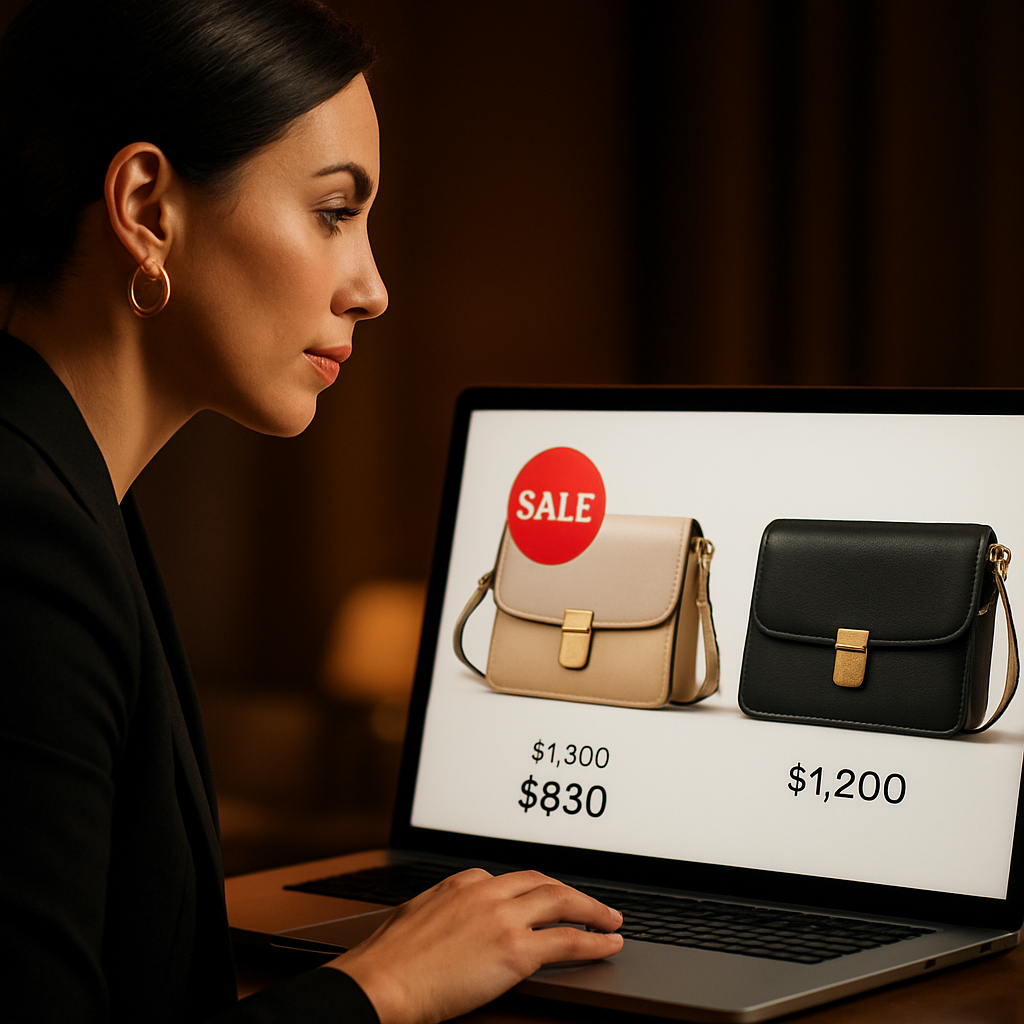
Finally, weigh the total cost. Add any sales tax, shipping, and potential customs fees if you’re ordering internationally. A bag that looks 30% cheaper can end up costing the same once those extras are factored in.
When the numbers line up, give yourself a quick confidence check: does the bag meet your brand‑specific checklist? Is the seller responsive? If the answer is yes, hit that “Buy” button and celebrate – you’ve just outsmarted the pricing game.
Step 5: Shop Trusted Retailers & Online Platforms
Alright, you’ve already sized up the discount and made sure the bag checks every quality box. The next move is finding a place you can actually click “Buy” without a second‑guessing the seller. That’s where shopping trusted retailers and online platforms comes in.
Know the signs of a trusted retailer
First, look for clear contact information – a physical address, a working phone line, and real‑people customer service. If a site only offers a contact form, that’s a red flag. Next, verify that they display the brand’s official authentication process. Reputable boutiques will show you the serial‑number verification steps right on the product page.
Second, scan for third‑party reviews. A quick Google search of “[store name] reviews” should surface feedback from other luxury shoppers. Consistent five‑star ratings and mentions of “authenticity guarantee” are good signs.
Leverage curated luxury marketplaces
Platforms that specialize in pre‑owned or new‑in designer accessories have built‑in safeguards. They usually employ in‑house authenticators and provide detailed condition reports. Because they source from verified suppliers, you get the same peace of mind as buying from a boutique, but with the convenience of browsing dozens of brands in one place.
One example is Rebag’s seasonal promotion, which often runs a 20% off code (SAVE20) through early December. That kind of discount on a vetted marketplace means you’re saving money while still getting a guaranteed authentic piece.
Use promo codes and loyalty perks wisely
Many trusted sites reward newsletter subscribers with exclusive codes – exactly the kind of extra 5‑10% off we mentioned in Step 4. Sign up for the emails, but also keep an eye on the site’s “Rewards” or “VIP” section. Some platforms stack a seasonal sale with a loyalty discount, effectively giving you a double dip.
Pro tip: before you apply a code, check the cart total after tax and shipping. A “20% off” banner looks great, but if the retailer adds a hefty handling fee, the net savings might shrink.
Check return policies and authentication guarantees
Never finalize a purchase without a clear return window – at least 14 days is standard for luxury goods. The policy should state that returns are accepted only if the bag is in its original condition and comes with all authentication paperwork.
Ask yourself: does the seller cover return shipping? Do they offer a full refund or store credit? A trustworthy retailer will be upfront about these details, and they’ll usually provide a prepaid return label for any authenticity disputes.
Create a shopping checklist
- Retailer’s physical address and phone number.
- Visible authentication process or in‑house verifier.
- Customer reviews mentioning authenticity.
- Clear return policy (minimum 14 days, prepaid label).
- Applicable promo codes (e.g., SAVE20 at Rebag).
- Total cost after tax, shipping, and any fees.
Another smart move is to set up price‑tracking alerts on the retailer’s site or through a browser extension. When the bag you’ve earmarked drops another few percent, you’ll get a ping and can jump on it before the inventory disappears. This tiny automation can turn a good deal into a great one without you having to stare at the page all day.
Run this list before you click “Place Order.” If anything feels off, pause and keep searching – the right deal is worth the extra few minutes.
So, what’s the final step? Combine your price comparison from Step 4 with a trusted platform that checks every box on the list above. When the numbers line up and the retailer meets the authenticity standards, you can hit “Buy” with confidence and enjoy that designer crossbody bag on sale knowing you got a genuine, well‑priced treasure.
Step 6: Care and Styling Tips for Your New Bag
Congratulations, you’ve just scored a designer crossbody bag on sale – and now the fun part begins: keeping it looking fresh and figuring out how to wear it like it belongs in your everyday wardrobe.
First things first, give the bag a quick intro to its new home. A soft cloth, preferably microfiber, is your best friend for wiping away any dust that sneaked in during shipping.
If the leather feels a little stiff, lightly condition it with a product made for the specific type of hide – calfskin loves a leather‑care cream, while suede appreciates a gentle suede brush. Test on a hidden spot before you go all‑in.
Now, let’s talk protection. Store your bag in the dust bag it came with, and tuck that bag inside a breathable fabric pouch if you plan to stack it with other accessories. Avoid plastic sleeves; they trap moisture and can cause the leather to dry out or develop mildew.
Do you keep your bag in the closet year‑round? Rotate it every few weeks. Switching positions prevents one shoulder strap from bearing the weight constantly and helps the leather breathe evenly. A little rotation also keeps you from falling into the “same‑old‑look” trap.
What about those inevitable spills? Act fast. Blot – don’t rub – with a clean, white cloth. For water‑based stains, a light mist of distilled water followed by gentle blotting usually does the trick. Oil‑based marks, like a coffee splash, need a leather‑specific cleaner; otherwise you risk darkening the grain.
Here’s a quick checklist you can keep on your phone:
- Clean surface with microfiber weekly.
- Condition leather every 2–3 months (or as needed).
- Store in dust bag + breathable pouch.
- Rotate placement every 4 weeks.
- Spot‑treat spills immediately.
- Keep away from direct sunlight & heat sources.
Following that list takes only a minute, but it can add years to the life of your bag.
Styling a designer crossbody is all about balance. Because the bag sits close to your body, you want the rest of your outfit to either complement or contrast without overwhelming the piece.
If you’re wearing a crisp white shirt and skinny jeans, let the bag be the pop‑color hero – think a bold red YSL or a metallic Gucci. The contrast makes the logo stand out without shouting.
Prefer a monochrome vibe? Choose a bag in the same family of tones as your coat or sweater. A camel‑toned Saint Laurent pairs beautifully with a camel trench, creating a seamless, runway‑ready silhouette.
And when you’re in a hurry, the crossbody’s hands‑free nature lets you swap a casual tee for a sleek blazer in seconds. Slip the bag on, button up, and you’ve instantly upgraded from coffee‑run to boardroom chic.
Don’t forget the hardware. If your bag has gold accents, match it with gold jewelry or belt buckles; silver hardware pairs nicely with cool‑tone metals. Mixing metals can work, but keep the rest of the look simple so the bag remains the star.
A quick pro tip: when the weather turns rainy, protect the leather with a light spray of water‑repellent spray designed for luxury handbags. It won’t change the finish, but it adds a barrier that makes cleaning easier later.
What about travel? Use a sturdy, zip‑up bag protector to shield your crossbody from scratches in the overhead bin. Pack it face‑down, and surround it with soft items like a silk scarf – the scarf doubles as a chic accessory once you land.
Finally, give yourself permission to experiment. Try a belt loop trick – slide the strap through a slim leather belt for a layered look, or wear the bag cross‑body one shoulder down for a relaxed vibe. Small tweaks keep the piece feeling fresh season after season.
FAQ
What should I look for when buying designer crossbody bags on sale?
First, verify the brand’s hallmark details—hardware weight, stitching rows, and serial‑number format. Check that the bag comes with its original dust bag and authentication card, and compare photos to the brand’s official images. Next, inspect the condition: light patina is fine, but deep cracks, water stains, or loose hardware are red flags. Finally, confirm the retailer’s return policy and that they list a clear price breakdown, including taxes and shipping, so you know exactly what you’re paying.
How can I tell if a discount is genuine or just a marketing gimmick?
Look for a clear “final‑sale” or “clearance” label and compare the discounted price to the bag’s current retail price on the brand’s own site. If the discount is unusually high (like 60%+), double‑check that the bag includes all original accessories and that the seller has a solid reputation score. Genuine sales usually happen during end‑of‑season clear‑outs, holiday flash sales, or curated outlet releases—those are the windows where authentic discounts appear.
Is it safe to buy designer crossbody bags on sale from online marketplaces?
It can be, as long as the platform runs its own authentication process and provides a detailed condition report. Look for marketplaces that employ in‑house experts, display serial‑number verification steps, and offer a minimum 14‑day return window with prepaid return shipping. If the site only shows a single photo and refuses to answer specific questions about hardware or dust‑bag inclusion, walk away.
Do I need to worry about customs or extra fees when ordering a sale bag internationally?
Yes—especially if the seller ships from outside your country. Check whether duties, taxes, or import fees are included in the checkout total. Some retailers calculate those costs upfront; others will bill you later. To avoid surprises, add a buffer of 10‑15% to the advertised price for potential customs charges, and make sure the return policy still applies for international orders.
Can I still get a good deal on a brand‑new designer crossbody bag, not just pre‑owned?
Absolutely. Many luxury boutiques release brand‑new inventory at the end of a season, and they often tag 15‑30% off the original price. Sign up for their newsletters—you’ll get exclusive promo codes that stack on top of seasonal sales. Also, keep an eye on “last‑chance” sections where retailers clear out unsold new stock; the bag is untouched, still in its original packaging, but priced well below retail.
How often should I rotate or restyle my crossbody bag to keep it feeling fresh?
Switching up the strap position every few weeks is a simple trick—wear it on the opposite shoulder or slide the strap through a slim leather belt for a layered look. Pair a neutral bag with a bold outfit for contrast, or match a colored bag to a pop‑color accessory. Small changes like swapping hardware‑matching jewelry or adding a patterned scarf can make the same bag feel brand‑new each season.
What quick maintenance steps can I take if my sale bag gets wet or stained?
If water hits the leather, blot immediately with a clean, white cloth—don’t rub, or you’ll spread the moisture. For leather, a light mist of distilled water followed by gentle blotting can help; then let it air dry away from direct heat. For oil‑based stains like coffee, use a leather‑specific cleaner applied to a soft cloth, then condition the leather afterward. Keeping a small leather‑care kit in your bag ensures you can treat minor mishaps on the go.
Conclusion
We’ve just walked through every piece of the puzzle that turns “maybe” into a confident grab of designer crossbody bags on sale.
First, you built a brand radar – those tiny hardware cues and serial‑number formats that let you spot a real Chanel or YSL in seconds. Then you mapped the fashion calendar, so you know exactly when the post‑runway clear‑outs and holiday flash sales drop.
Next came the hands‑on quality check: feeling the leather grain, counting stitching rows, matching the dust‑bag card. After that, you compared pricing tables, set up price‑tracking alerts, and stacked any promo codes you could find.
Finally, you locked in a trusted retailer that gives you a solid return policy, authenticators on staff, and transparent shipping costs. All those steps together mean you’re not just saving money – you’re protecting your style investment.
So what’s the next move? Grab your checklist, sign up for the boutique newsletters you love, and set a quick Google Alert for “designer crossbody bags on sale.” When the notification pops, you’ll be ready to click with confidence.
Remember, a great deal feels even better when the bag arrives in its original packaging, ready to become your go‑to accessory. Happy hunting!